Skip to content

Yello Turned a Snowball Into a Kick

Avaeken

A Guitar Recording Became a Sculpture

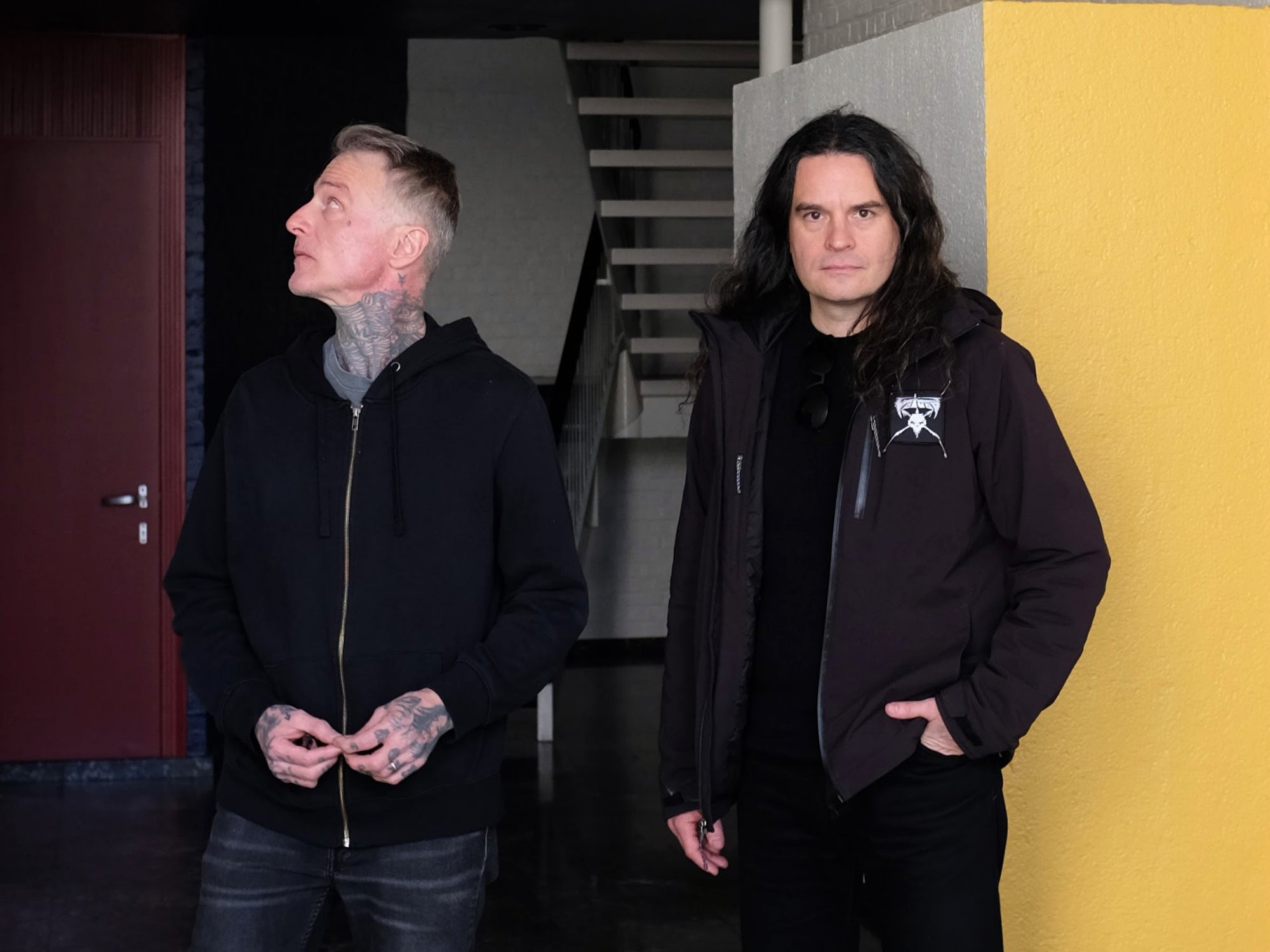
Stephen O’Malley’s Avaeken, released on 21 August 2026, did not begin as a conventional album.

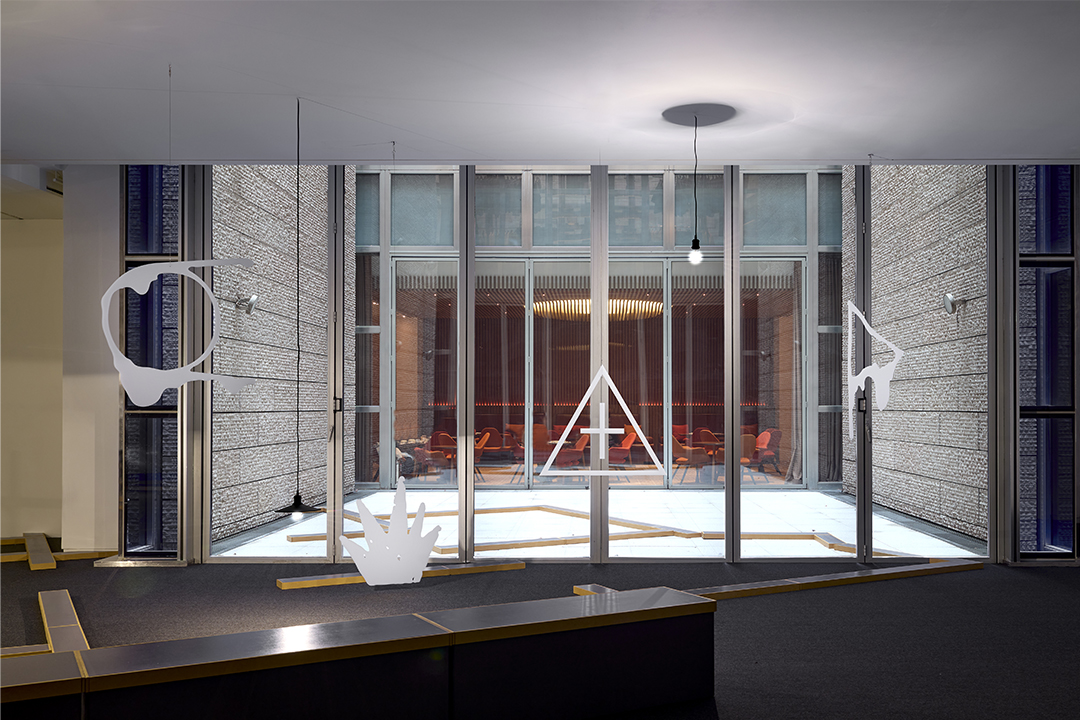
The music originated as a site-specific sound work created in relation to Banks Violette’s exhibition Wish You Were Here. O’Malley installed sound into the gallery environment, continuing a collaboration between the two artists that has repeatedly placed amplified guitar beside sculpture and architecture.

That context changes what a sustained guitar tone means.

On a record, duration happens through speakers while the listener remains outside the music.

Inside a gallery, the same frequency occupies walls, floor, air and body.

Low frequencies become particularly physical. They can make architecture seem temporarily less solid because the room begins responding to the sound.

This is where drone music becomes difficult to separate from sculpture.

A sculpture normally occupies space with material.

O’Malley can occupy the same space with pressure.

Nothing visible has been added, yet the dimensions of the room feel different.

I keep coming back to this because electronic and amplified music are usually discussed through time: rhythm, duration, sequence.

Long tones reveal another possibility.

Sound can also be an architecture.

You do not only listen to it.

For a while, you stand inside it.

https://www.daisrecords.com/blogs/news/stephen-omalleys-avaeken-out-august-21-on-dais-records
#StephenOMalley #DroneMusic #SoundArt #Avaeken

A Guitar Recording Became a Sculpture A Guitar Recording Became a Sculpture Dais Records Stephen O'Malley's 'Avaeken' out August 21 on Dais Records American experimental composer Stephen O'Malley announces Avaeken, two sides of immense, immersive, self-annihilating music, out August 21, 2026 from Dais Records.
Facebook LinkedIn WhatsApp Threads
More sharing options
X Reddit Pinterest Telegram Email
Contemporary Art

The Video Keeps Jumping Through Time

Hito Steyerl’s The Island, currently at Fondazione Prada’s Osservatorio in Milan until 30 October 2026, refuses to stay inside one period of history.

The project combines a newly produced film with installation, objects and video interviews. Its stories move from microorganisms and Neolithic time to war, contemporary technology and imagined futures. Flooding keeps returning as a connecting image.

Steyerl describes two very different experiences of time.

One is the frantic time produced by technology and capitalism: updates, interruptions, loops and information constantly replacing information.

The other is deep time.

Geological time.

Underwater time.

Time that barely notices whether a smartphone generation lasts three or five years.

I like the collision because moving image normally controls time extremely well.

Twenty-four frames.

Cut.

Jump.

Repeat.

Speed up.

Slow down.

But Steyerl uses those tools to point toward scales of time the video itself cannot really contain.

A five-minute sequence can jump thousands of years.

The screen makes that transition instantaneous.

Reality cannot.

Perhaps that is one reason moving image is so effective for thinking about our current technological culture.

The edit has taught us to expect reality to move at the speed of an edit.

The planet never agreed.

https://www.fondazioneprada.org/project/the-island-hito-steyerl/?lang=en

#HitoSteyerl #VideoArt #TheIsland #ContemporaryArt

The Video Keeps Jumping Through Time The Video Keeps Jumping Through Time fondazioneprada.org Hito Steyerl’s The Island, currently at Fondazione Prada’s Osservatorio in Milan until 30 October 2026, refuses to stay inside one period of...
Facebook LinkedIn WhatsApp Threads
More sharing options
X Reddit Pinterest Telegram Email
Contour Biennale

The Internet Produces Its Own Geology

Yuyan Wang’s new Boring Billion is a 2026 single-channel video made from the kind of image material digital culture produces almost without noticing.

Wang has long worked with images recycled from industrial and online image systems. She edits, repeats and recontextualises them until their original purpose becomes unstable. Boring Billion, commissioned for 2026 and now included in Contour Biennale 11 in Mechelen, pushes that approach toward geological time.

The title refers to an immense period in Earth’s history often described as comparatively stable.

That becomes an odd thing to place beside contemporary digital imagery.

Our visual culture behaves as though the opposite is true.

Refresh.

Scroll.

Generate.

Upload.

Replace.

The individual image barely has time to become old before another one arrives.

Wang’s editing makes me think about that accumulation differently. Billions of disposable images may eventually behave like sediment. One meme or advertisement is insignificant. Millions layered together begin describing a civilisation.

Video editing can therefore become something like archaeology performed in real time.

The archive is no longer something we discover after the culture has disappeared.

We are producing the archaeological layer while we are still living inside it.

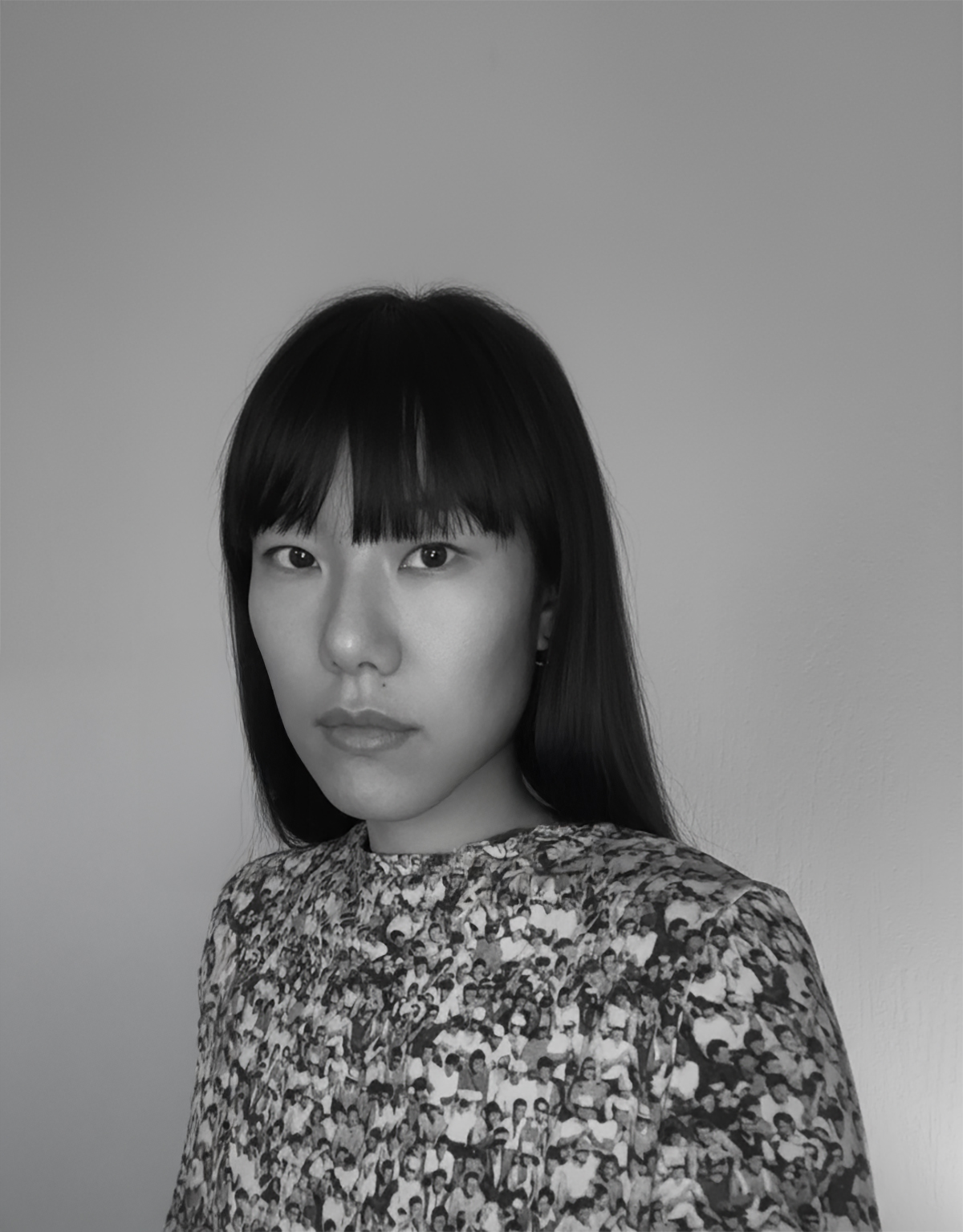
Yuyan Wang

#YuyanWang #VideoArt #DigitalImages #ContourBiennale

The Internet Produces Its Own Geology The Internet Produces Its Own Geology Contour Biennale 11 Yuyan Wang - Contour Biennale 11 For Contour Biennale 11, Yuyan Wang presents Boring Billion, a film that uses online footage to portray an overheated machine haunted by petro-industrial desire.
Facebook LinkedIn WhatsApp Threads
More sharing options
X Reddit Pinterest Telegram Email
Ayoung Kim

Rebuilding a Migrant Memory in 3D

Ayoung Kim’s Al-Mather Plot 1991 begins with an actual building in Riyadh.

The Al-Mather Housing Complex was constructed by the Korean company Hanyang during a period when large numbers of South Korean workers travelled to the Gulf. It remained largely unused until the Gulf War, when displaced Kuwaitis took refuge there. Kim’s own father had worked in the region.

Instead of making a conventional documentary, she reconstructs this history through live-action footage, archival photographs, field recordings, game-engine environments and synthetic imagery. Years of research are fed into a digital architecture where factual history begins to behave like memory.

That interests me because digital reconstruction usually promises accuracy.

Scan the object.

Model the building.

Restore what disappeared.

Kim uses similar technology while admitting something less comfortable: reconstruction is never neutral.

A building remembered by a migrant worker is not the same building found in an architectural archive. A photograph records one moment. A game engine can move through spaces the camera never entered.

The digital model therefore does not recover one definitive Al-Mather.

It creates somewhere between evidence and imagination.

Perhaps that is closer to how historical memory actually works.

We collect fragments, fill the spaces between them and eventually construct a place that nobody experienced in exactly the same way.

https://www.fondationdentreprisehermes.org/en/projet/exhibitions-atelier-hermes-seoul-plot-blob-plop-2025

#AyoungKim #MovingImage #GameEngine #DigitalArt

Rebuilding a Migrant Memory in 3D Rebuilding a Migrant Memory in 3D fondationdentreprisehermes.org “Plot, Blob, Plop” at l'Atelier Hermès | Fondation d'entreprise Hermès Discover the “Plot, Blob, Plop” at l'Atelier Hermès project and find key information to participate (dates, location, program)
Facebook LinkedIn WhatsApp Threads
More sharing options
X Reddit Pinterest Telegram Email
Electronic Music

When 0.8 Seconds Felt Enormous

The Fairlight CMI helped change recorded sound from something musicians played back into something they could play.

Developed in Australia by Peter Vogel and Kim Ryrie and released at the end of the 1970s, the system became one of the first commercially influential digital sampling instruments. The National Film and Sound Archive of Australia describes it as the world’s first polyphonic digital sampling synthesizer.

By modern standards its early sampling capacity seems tiny.

Jean-Michel Jarre has recalled working with a maximum sample length of roughly 0.8 seconds at 8-bit resolution on an early Fairlight.

Yet that fraction of a second was enough to change composition.

A voice could become a chord.

A broken object could become percussion.

A sound recorded somewhere in the world could be mapped across a keyboard and played at pitches that had never existed in the original recording.

Today we can load hours of high-resolution audio into a laptop without thinking about memory.

That abundance makes it easy to forget how radical 0.8 seconds once was.

The important technological breakthrough was not duration.

It was separation.

For the first time, a tiny recorded fragment could be detached from the event that produced it and treated almost like an oscillator.

Less than one second of memory was enough to introduce an entirely different idea of what an instrument could be.

https://www.nfsa.gov.au/collection/item/sampling-sounds-fairlight-cmi

#FairlightCMI #Sampling #MusicTechnology #ElectronicMusic

When 0.8 Seconds Felt Enormous When 0.8 Seconds Felt Enormous nfsa.gov.au The Fairlight CMI helped change recorded sound from something musicians played back into something they could play. Developed in Australia by...
Facebook LinkedIn WhatsApp Threads
More sharing options
X Reddit Pinterest Telegram Email
Boris Blank

Yello Turned a Snowball Into a Kick

Boris Blank of Yello has spent decades recording sounds that were never designed to become musical instruments.

His enormous personal sample archive has included voices, percussion, broken instruments and ordinary environmental noises. One particularly good example is almost ridiculous: Blank recalled throwing a snowball against his studio wall, recording the impact and eventually transforming it into a bass drum.

He has described sampling as central to Yello’s process from the beginning, first through tape loops and later with digital systems such as the Fairlight CMI.

I love the snowball because it demonstrates the essential magic of sampling better than an expensive studio explanation ever could.

The source does not need to resemble its eventual function.

A kick drum does not need to begin as a drum.

It needs an attack, a body and some useful energy that can be transformed.

Once sound is recorded, its original cause becomes optional.

Pitch it down.

Shorten it.

Filter it.

Layer it.

The visual image of a snowball hitting a wall disappears and a rhythmic object takes its place.

That is one of the profound changes recording technology introduced into music.

Before recording, an instrument was usually defined by the object producing the sound.

Sampling separates sound from object.

After that, almost anything can join the drum kit.

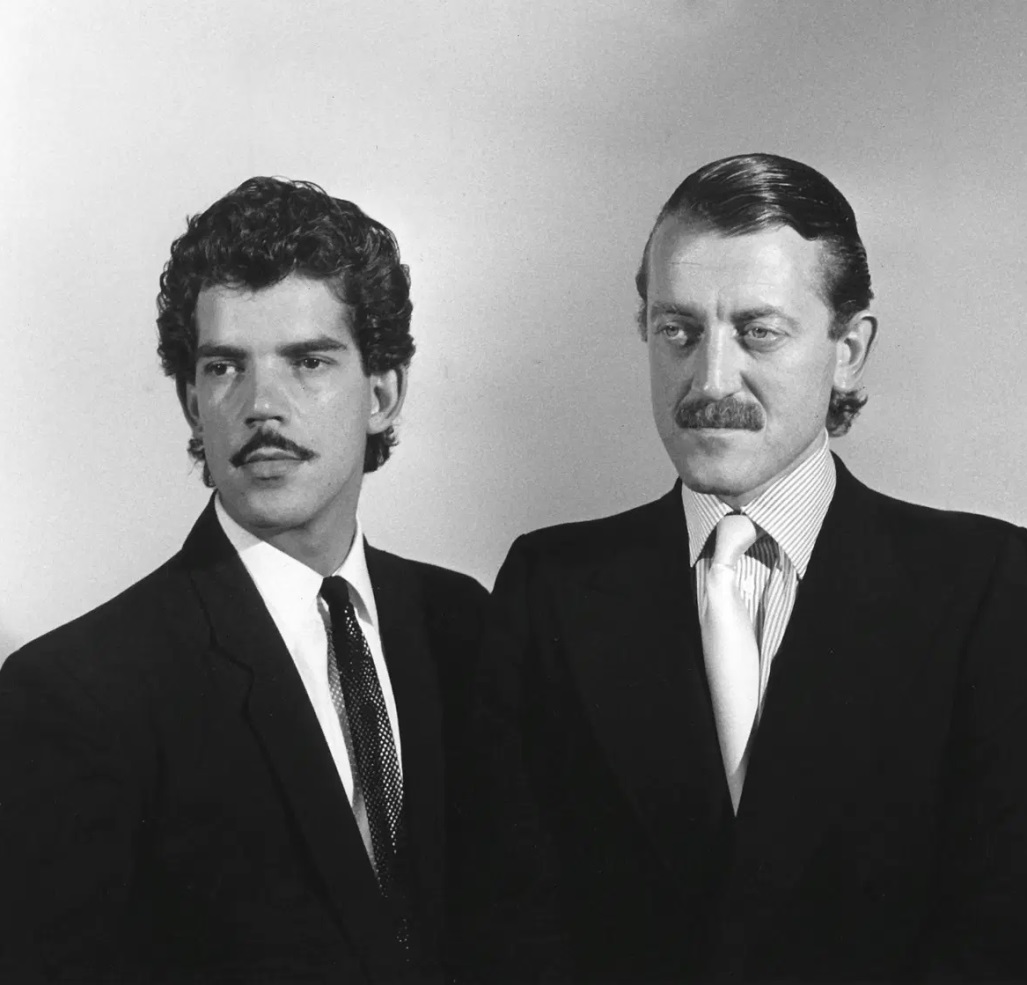
Oh Yeah: The Legacy Of YELLO

#Yello #BorisBlank #Sampling #SoundDesign

Yello Turned a Snowball Into a Kick Yello Turned a Snowball Into a Kick ELECTRICITYCLUB.CO.UK Oh Yeah: The Legacy Of YELLO - ELECTRICITYCLUB.CO.UK The illustrious career of the Swiss electronic trailblazers YELLO is being celebrated in a new lavishly packaged 4CD earbook retrospective entitled ‘YELL4O Years’. Boris Blank founded YELLO with Carlos Perón through a mutual love of jazz, musique concrète and tape experimentation. Dieter Meier was the son of millionaire banker and had a penchant for performance art.
Facebook LinkedIn WhatsApp Threads
More sharing options
X Reddit Pinterest Telegram Email
Drum And Bass

Photek Treated Jungle as Programming

Rupert Parkes, better known as Photek, once described jungle in a way that still seems unusually precise.

For him it was not primarily a set of instruments.

It was a method of programming and using sound.

Talking about Modus Operandi, his 1997 debut album, Photek described the music through soundscapes, space and bass rather than through conventional instrumental roles.

That explains why the album can feel so controlled even when the drum programming becomes extraordinarily complicated.

A chopped break is not simply a recording of a drummer anymore.

Individual attacks can be isolated.

A snare can be moved.

Silence can be inserted between fragments that originally touched.

One drummer’s performance becomes a collection of microscopic events from which another rhythm can be constructed.

This is one of the things that makes drum and bass production fascinating to me.

At high tempo the obvious temptation is to add more.

Photek often creates intensity by making the placement of relatively few sounds incredibly precise.

Space matters because speed makes every empty millisecond noticeable.

The computer therefore does not only make the music faster.

It allows rhythm to be examined at a level of detail a live performance could never reproduce exactly.

Programming becomes a form of percussion.

The screen becomes part of the drum kit.

Photek reflects on Modus Operandi, his classic 1997 debut album that changed the face of jungle

<iframe class="wp-embedded-content" sandbox="allow-scripts" security="restricted" style="position: absolute; visibility: hidden;" title="“Photek reflects on Modus Operandi, his classic 1997 debut album that changed the face of jungle” — Fact Magazine" src="https://www.factmag.com/2012/07/28/photek-reflects-on-modus-operandi-his-classic-1997-debut-album/embed/#?secret=fs2tf15apu#?secret=WLfigiVVcI" data-secret="WLfigiVVcI" width="600" height="338" frameborder="0" marginwidth="0" marginheight="0" scrolling="no">

#Photek #DrumAndBass #Jungle #DrumProgramming

Photek Treated Jungle as Programming Photek Treated Jungle as Programming Fact Magazine Photek reflects on Modus Operandi, his classic 1997 debut album that changed the face of jungle - Fact Magazine In 1997, Photek released Modus Operandi. It was one of the most eagerly anticipated albums of its era, at least…
Facebook LinkedIn WhatsApp Threads
More sharing options
X Reddit Pinterest Telegram Email
Depeche Mode

Depeche Mode Went Looking for Metal

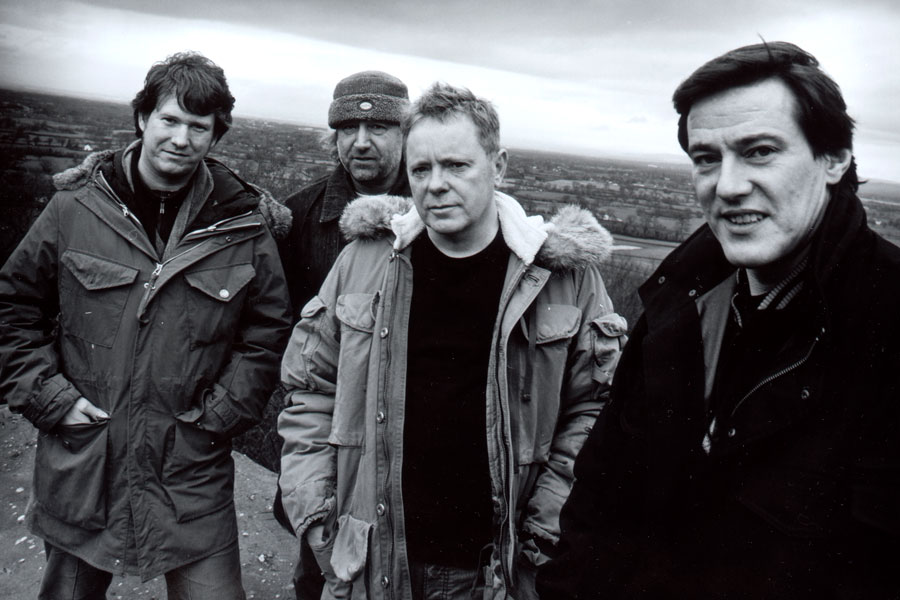
During the making of Construction Time Again, Depeche Mode discovered sampling and immediately started looking beyond conventional instruments.

For “Pipeline,” Martin Gore, Gareth Jones and the group went into Shoreditch recording metal objects, pipes, steel plates and other found sounds. Engineer Gareth Jones recalls drumsticks and hammers striking objects around a disused railway environment. Gore’s vocal was also recorded outside beneath a railway arch.

The recordings were then brought back into the studio, sampled, edited and reorganised into music.

This is what I find interesting about early sampling.

A sampler did not initially mean access to an enormous prepared library.

The empty memory of the machine created a question:

What should we put into it?

Suddenly the street became an instrument store.

A metal plate was not valuable because it sounded like percussion.

It became percussion because someone heard a useful attack and resonance inside it.

Modern sample libraries reverse that process.

Search “industrial hit” and hundreds of professionally processed choices appear immediately.

That is convenient, but something disappears.

Going outside with a recorder means you do not yet know what the instrument is.

You have to find it.

The sampler then becomes less like a playback device and more like a way of listening to ordinary objects for musical possibilities.

https://www.soundonsound.com/techniques/classic-tracks-depeche-mode-people-are-people

#DepecheMode #Sampling #FieldRecording #MusicProduction

Depeche Mode Went Looking for Metal Depeche Mode Went Looking for Metal soundonsound.com Classic Tracks: Depeche Mode 'People Are People' Released in 1984, 'People Are People' perfectly combined Depeche Mode's love of pop music and experimentalism, and gave them their first US hit single.
Facebook LinkedIn WhatsApp Threads
More sharing options
X Reddit Pinterest Telegram Email
Blue Monday

Blue Monday Needed a Homemade Circuit

New Order’s “Blue Monday” now sounds like a piece of electronic music whose machines must have known exactly what they were doing.

They did not.

The group had a sequencer and a drum machine that could not communicate properly with each other. Bernard Sumner has recalled taking the equipment to Martin Usher, who designed an electronic circuit that allowed the two machines to synchronise.

When they connected everything and pressed start, the drum machine and synthesizer finally began running together.

That technological connection became part of the session from which “Blue Monday” emerged.

I like this because synchronization is now practically invisible.

Connect MIDI or load a plug-in and every machine immediately knows the tempo.

In 1983, getting two electronic devices to agree about time could itself require invention.

The song therefore sits at an interesting point in electronic music history.

The composition was partly enabled by somebody solving an engineering problem.

A homemade circuit became a musical collaborator.

This also says something about technological limitations.

We tend to imagine that earlier electronic musicians achieved interesting results despite primitive equipment.

Sometimes they achieved them because the equipment was incomplete enough that musicians had to invent new relationships between the machines.

Before the groove existed, somebody had to build the wire that allowed the groove to happen.

https://www.nme.com/blogs/nme-blogs/new-order-how-we-wrote-blue-monday-762505

#NewOrder #BlueMonday #Sequencer #ElectronicMusic

Blue Monday Needed a Homemade Circuit Blue Monday Needed a Homemade Circuit NME New Order - How We Wrote 'Blue Monday' New Order released their first new album in a decade in 2015 – reason to celebrate indeed. However, ‘Blue Monday’, a track that 30 years on, remains as powerful as ever, will always be considered their defining anthem. In 2012, we asked the Bernard Sumner and since-departed bassist Peter Hook how they wrote the classic […]
Facebook LinkedIn WhatsApp Threads
More sharing options
X Reddit Pinterest Telegram Email
Artists Film

Reassembling a Forgotten Goddess

Darya Andijan’s new 2026 film Do You Know That I’m With You begins with a figure who has almost disappeared from cultural memory.

Travelling through Central Asia, Andijan searches for traces of Gülem, described as a forgotten goddess of carpet weaving from the Uyghur region. The 23-minute work combines travel, poetic voices, ritual and ancestral memory while addressing feminism, oppression and cultural loss produced through colonialism. It was recently added to Eye Filmmuseum’s collection of artists’ moving image.

What stays with me is the relationship between film and weaving.

A carpet produces an image by bringing separate threads into a structure.

A film can do something similar with fragments of memory.

One person remembers a story.

A place contains another trace.

A ritual survives while its original explanation becomes uncertain.

None is enough by itself.

Put them together and an image begins to return.

This is very different from reconstructing history as though every missing fact could simply be recovered.

Sometimes the gaps are part of the history.

Moving image becomes useful precisely because it can hold those fragments beside one another without pretending that the original object has been completely restored.

The film does not necessarily bring Gülem back.

It gives her fragments somewhere to meet.

https://www.eyefilm.nl/en/whats-on/new-dutch-selected-artists-moving-image/1680625

#DaryaAndijan #ArtistsFilm #MovingImage #CentralAsia

Reassembling a Forgotten Goddess Reassembling a Forgotten Goddess eyefilm.nl New Dutch Selected Artists' Moving Image | Eye Filmmuseum New work by Dutch artists and experimental filmmakers that was recently added to Eye’s collection. The program includes four short films by filmmakers and artists Helen Anna Flanagan, Nan Wang, Justin Bentvelsen, both emerging artists and established names.
Facebook LinkedIn WhatsApp Threads
More sharing options
X Reddit Pinterest Telegram Email
Cinema Escaping Into the

Cinema Escaping Into the Museum

Isaac Julien rarely asks us to watch a film on one screen.

His installations distribute moving images across several screens so that editing begins to happen spatially as well as temporally. A character may disappear from one image and appear somewhere else in the room. Two events can run simultaneously. The viewer has to decide where to look.

Museum Dreams, currently at gres art 671 in Bergamo until 4 October 2026, brings together five large-scale installations spanning more than two decades of Julien’s work, including Once Again… (Statues Never Die) and Lina Bo Bardi: A Marvellous Entanglement.

What changes for me in multi-screen cinema is the loss of the perfect edit.

In an ordinary film the director controls exactly which image follows another.

In an installation, the spectator can look away.

Another screen can become more interesting.

Two sequences can accidentally combine because of where you happen to be standing.

That sounds like a loss of control, but it creates another kind of authorship.

The filmmaker composes possibilities rather than one compulsory sequence.

It has something in common with electronic performance.

A set of carefully prepared elements exists, but their relationship becomes partly dependent on space, timing and attention.

Cinema stops being only something projected in front of us.

It becomes architecture we move through.

https://gresart671.org/en/2026/04/10/isaac-julien-museum-dreams/

#IsaacJulien #VideoInstallation #MovingImage #ExpandedCinema

Cinema Escaping Into the Museum Cinema Escaping Into the Museum gres art 671 ISAAC JULIEN gres art 671 Isaac Julien rarely asks us to watch a film on one screen. His installations distribute moving images across several screens so that editing begins to happ…
Facebook LinkedIn WhatsApp Threads
More sharing options
X Reddit Pinterest Telegram Email