Skip to content

Drum And Bass

Art Stream
Drum And Bass

Fourteen Seconds Built New Forms

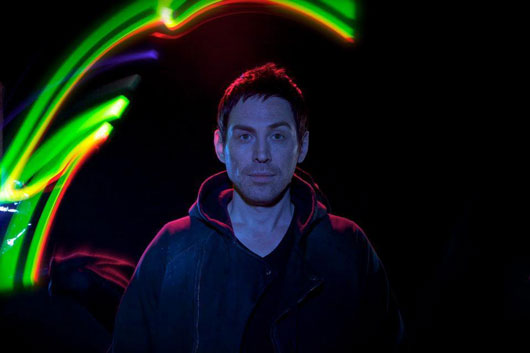
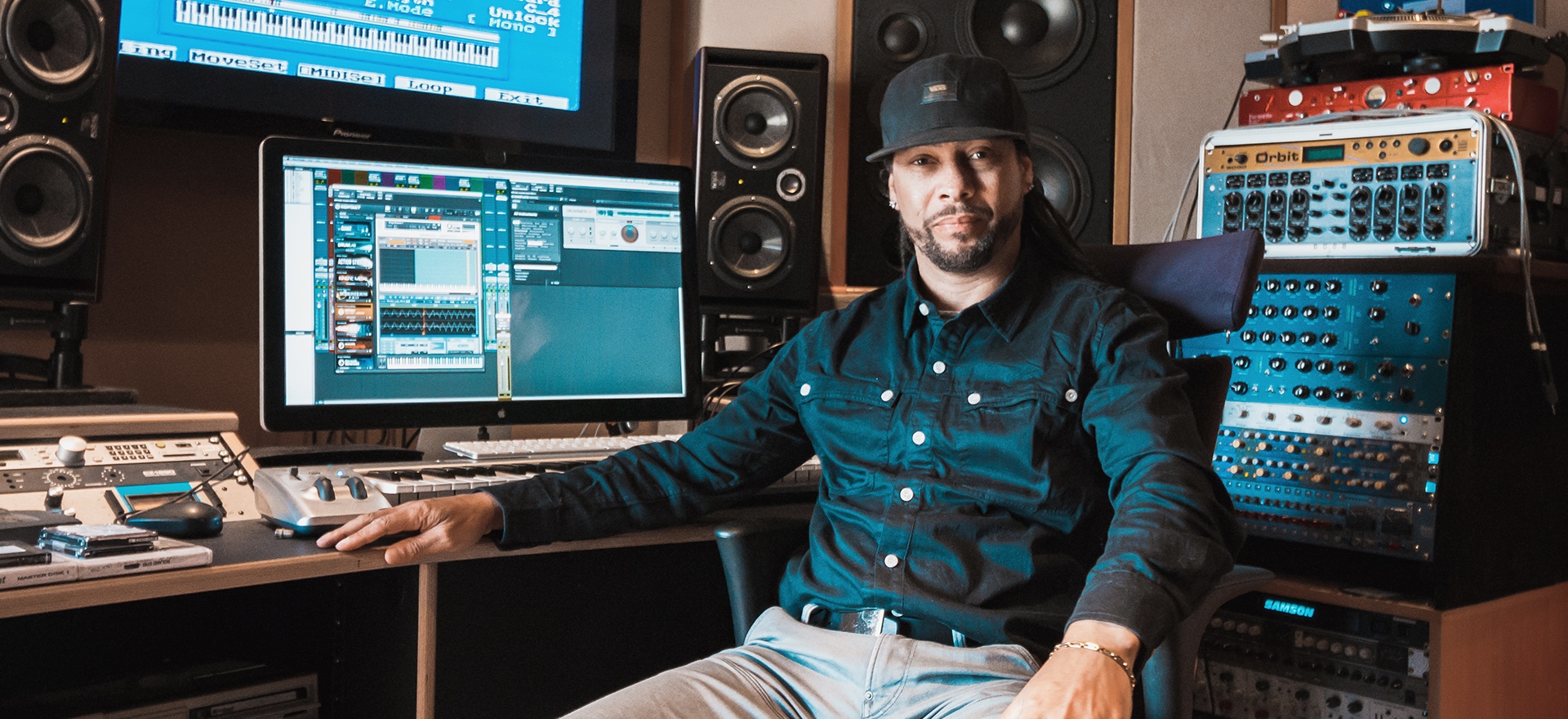
Roni Size made some of the music that helped move drum and bass from underground clubs toward a much wider audience, but the studio behind New Forms was surprisingly restricted.

One of his main tools was the Roland S-330 sampler.

It gave him only around fourteen seconds of total sampling time.

Fourteen seconds.

Yet Size preferred it to contemporary Akai machines because its screen and editing functions allowed him to manipulate those seconds in unusual ways. Samples could be reversed, stretched and reorganised while ghost notes helped construct increasingly detailed rhythms.

This is a useful reminder of what early drum and bass production actually involved.

A breakbeat was not an unlimited audio file sitting on a modern timeline.

Memory had a price.

Every sound competed for space.

If the sampler was full, something had to disappear or be shortened.

That restriction encourages another kind of listening.

You stop thinking in complete recordings.

A hi-hat may only need milliseconds.

A snare needs slightly more.

The useful part of a break may be smaller than the break itself.

Modern producers can load gigabytes without noticing.

Roni Size could build an album around seconds.

The interesting question is not how little technology they had.

It is how much musical information they learned to hear inside almost nothing.
https://blog.native-instruments.com/roni-size-on-new-forms/

#RoniSize #NewForms #DrumAndBass #Sampling

Fourteen Seconds Built New Forms Fourteen Seconds Built New Forms Native Instruments Blog Roni Size on New Forms | Native Instruments Blog Drum & bass legend Roni Size describes how technology has changed his approach to music, and the drum & bass of today.
Facebook LinkedIn WhatsApp Threads
More sharing options
X Reddit Pinterest Telegram Email
Drum And Bass

Photek Treated Jungle as Programming

Rupert Parkes, better known as Photek, once described jungle in a way that still seems unusually precise.

For him it was not primarily a set of instruments.

It was a method of programming and using sound.

Talking about Modus Operandi, his 1997 debut album, Photek described the music through soundscapes, space and bass rather than through conventional instrumental roles.

That explains why the album can feel so controlled even when the drum programming becomes extraordinarily complicated.

A chopped break is not simply a recording of a drummer anymore.

Individual attacks can be isolated.

A snare can be moved.

Silence can be inserted between fragments that originally touched.

One drummer’s performance becomes a collection of microscopic events from which another rhythm can be constructed.

This is one of the things that makes drum and bass production fascinating to me.

At high tempo the obvious temptation is to add more.

Photek often creates intensity by making the placement of relatively few sounds incredibly precise.

Space matters because speed makes every empty millisecond noticeable.

The computer therefore does not only make the music faster.

It allows rhythm to be examined at a level of detail a live performance could never reproduce exactly.

Programming becomes a form of percussion.

The screen becomes part of the drum kit.

Photek reflects on Modus Operandi, his classic 1997 debut album that changed the face of jungle

<iframe class="wp-embedded-content" sandbox="allow-scripts" security="restricted" style="position: absolute; visibility: hidden;" title="“Photek reflects on Modus Operandi, his classic 1997 debut album that changed the face of jungle” — Fact Magazine" src="https://www.factmag.com/2012/07/28/photek-reflects-on-modus-operandi-his-classic-1997-debut-album/embed/#?secret=fs2tf15apu#?secret=WLfigiVVcI" data-secret="WLfigiVVcI" width="600" height="338" frameborder="0" marginwidth="0" marginheight="0" scrolling="no">

#Photek #DrumAndBass #Jungle #DrumProgramming

Photek Treated Jungle as Programming Photek Treated Jungle as Programming Fact Magazine Photek reflects on Modus Operandi, his classic 1997 debut album that changed the face of jungle - Fact Magazine In 1997, Photek released Modus Operandi. It was one of the most eagerly anticipated albums of its era, at least…
Facebook LinkedIn WhatsApp Threads
More sharing options
X Reddit Pinterest Telegram Email