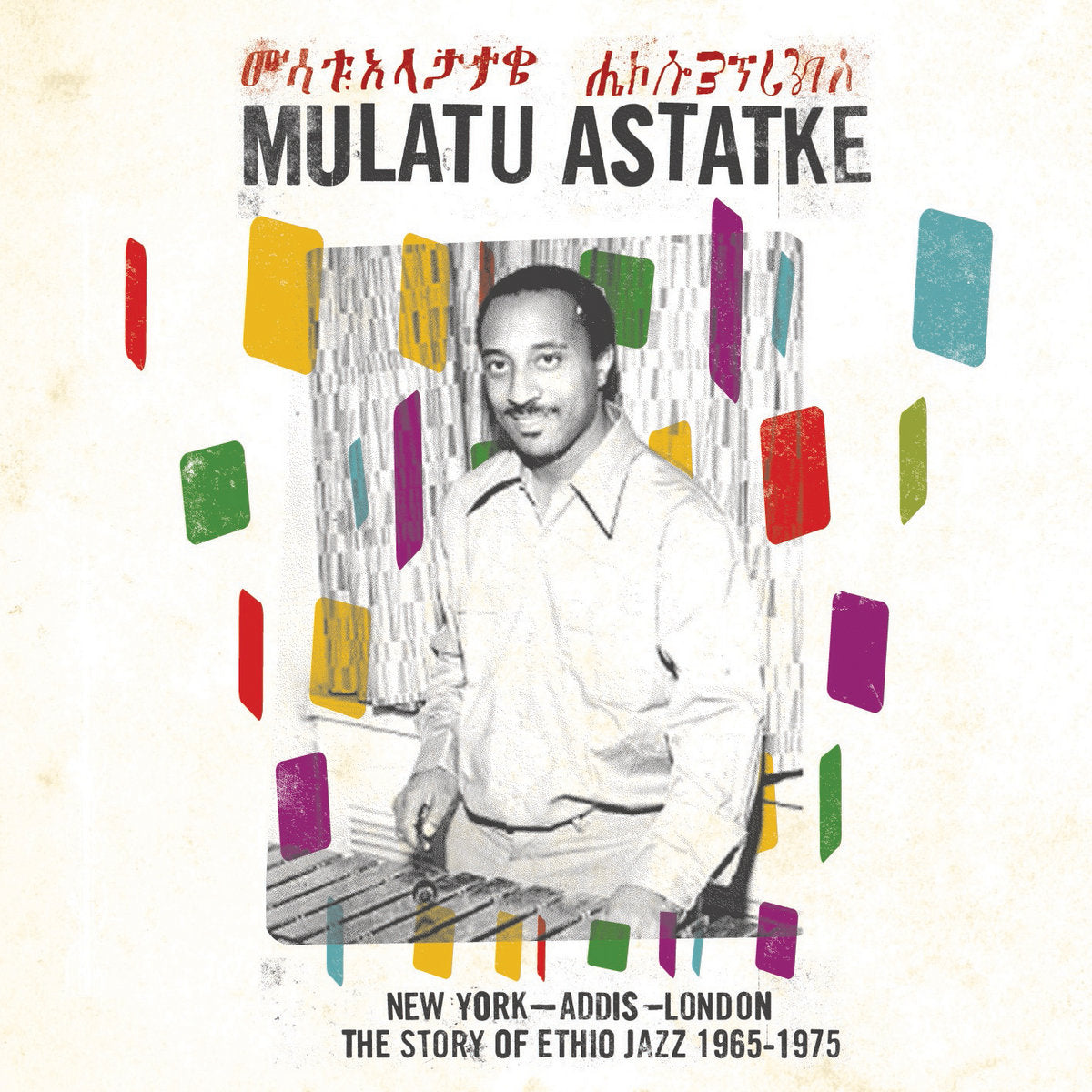
Mulatu Astatke’s Ethio-jazz was not created by simply placing Ethiopian melodies over American jazz. His musical path moved through Ethiopia, Wales, London and New York before returning to Addis Ababa. Strut’s retrospective of his 1965–1975 recordings describes how he gradually searched for a balance in which Ethiopian modes could retain their identity inside arrangements informed by jazz.
That word, balance, seems important. Fusion can easily become a situation where one language dominates and the other becomes decoration. In Mulatu’s music the harmonic and rhythmic centre does not always behave in the way a Western jazz listener expects. Vibraphone, horns, keyboards and percussion can sound familiar individually, yet the relationships between them shift the entire musical perspective.
It reminds me that originality does not necessarily require inventing a new instrument or technology. Sometimes it comes from hearing that two existing musical systems do not have to meet in the obvious place.
The interesting territory is often somewhere between them.
Mulatu Astatke 'New York – Addis – London The Story of Ethio Jazz 1965-1975'