Skip to content

Ethio Jazz

Art Stream
Accordion

A Band Inside One Cassette

When Hailu Mergia made Hailu Mergia & His Classical Instrument in the mid-1980s, he was no longer leading the Walias Band through the long nightclub sets that had made him well known in Ethiopia. He had remained in the United States after the band toured there and began working alone. On the cassette, accordion, electric piano, synthesizer and drum machine allow one musician to occupy the space of an ensemble.

That change in scale can be heard in the arrangements. The drum machine establishes a plain, dependable frame while Mergia moves between sustained keyboard colour, melodic ornament and the breathing pulse of the accordion. The electronics do not erase the Ethiopian modes in the music. They give Mergia a compact way to voice several musical roles without pretending that a machine is a full band.

The cassette later slipped out of circulation. After a copy was found in an Ethiopian record shop, Awesome Tapes From Africa reissued it in 2013 and Mergia returned to international performance. The rediscovery is often told as a dramatic career reversal, but the quieter detail stays with me: during his years driving a taxi in Washington, D.C., he kept a keyboard in the trunk and practised between fares. Public attention stopped for a time. His relationship with the instrument did not.

Hailu Mergia on Walias Band, Dahlak Band, and Fleeing Ethiopia
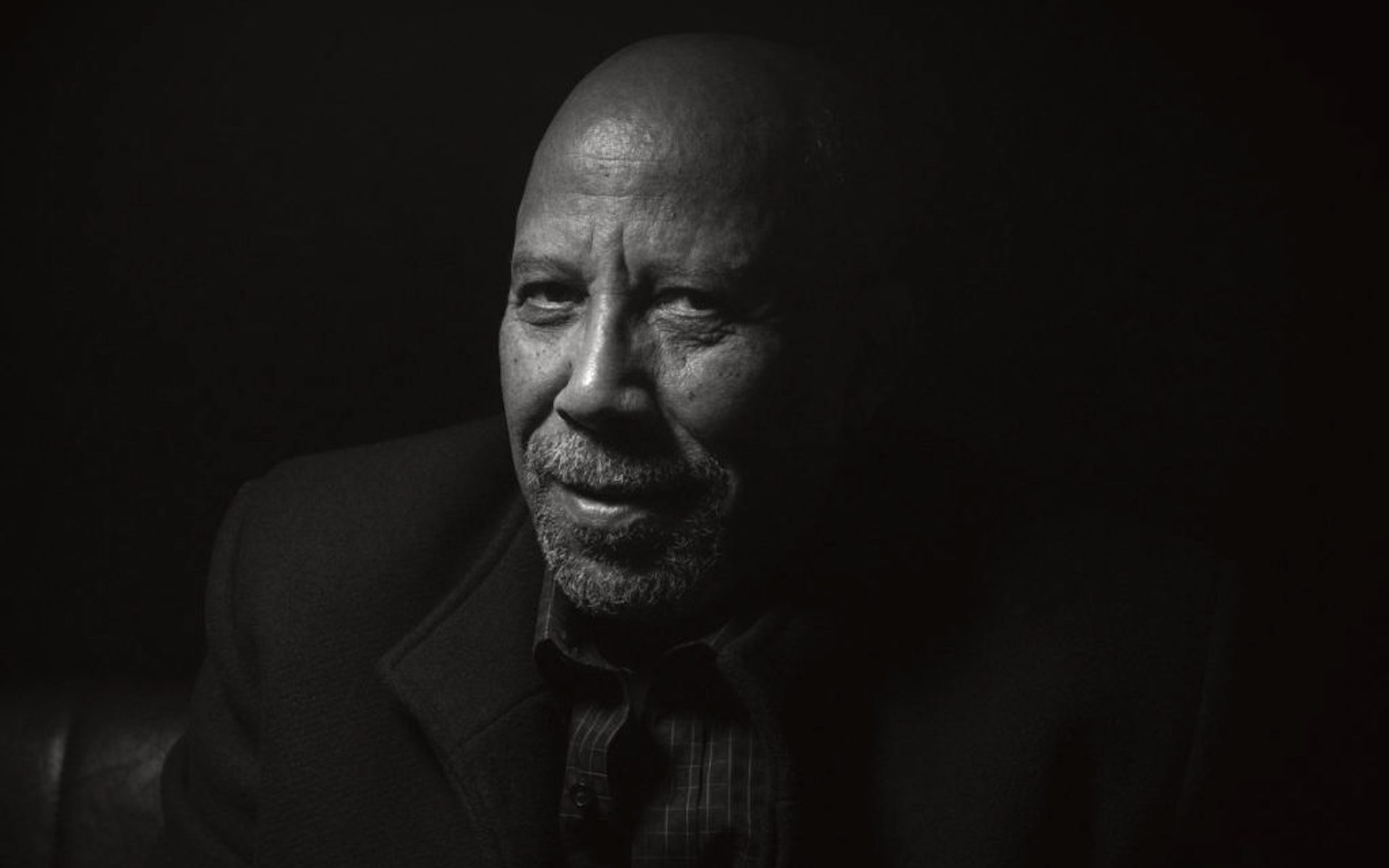
#HailuMergia #EthioJazz #Accordion #HomeRecording

A Band Inside One Cassette A Band Inside One Cassette Berklee Online Take Note Hailu Mergia on Walias Band, Dahlak Band, and Fleeing Ethiopia Hailu Mergia is an accordionist, keyboardist, and bandleader from Ethiopia, where he played with Walias Band and Dahlak Band before defecting to the US.
Facebook LinkedIn WhatsApp Threads
More sharing options
X Reddit Pinterest Telegram Email
Ethio Jazz

Jazz With Another Set of Scales

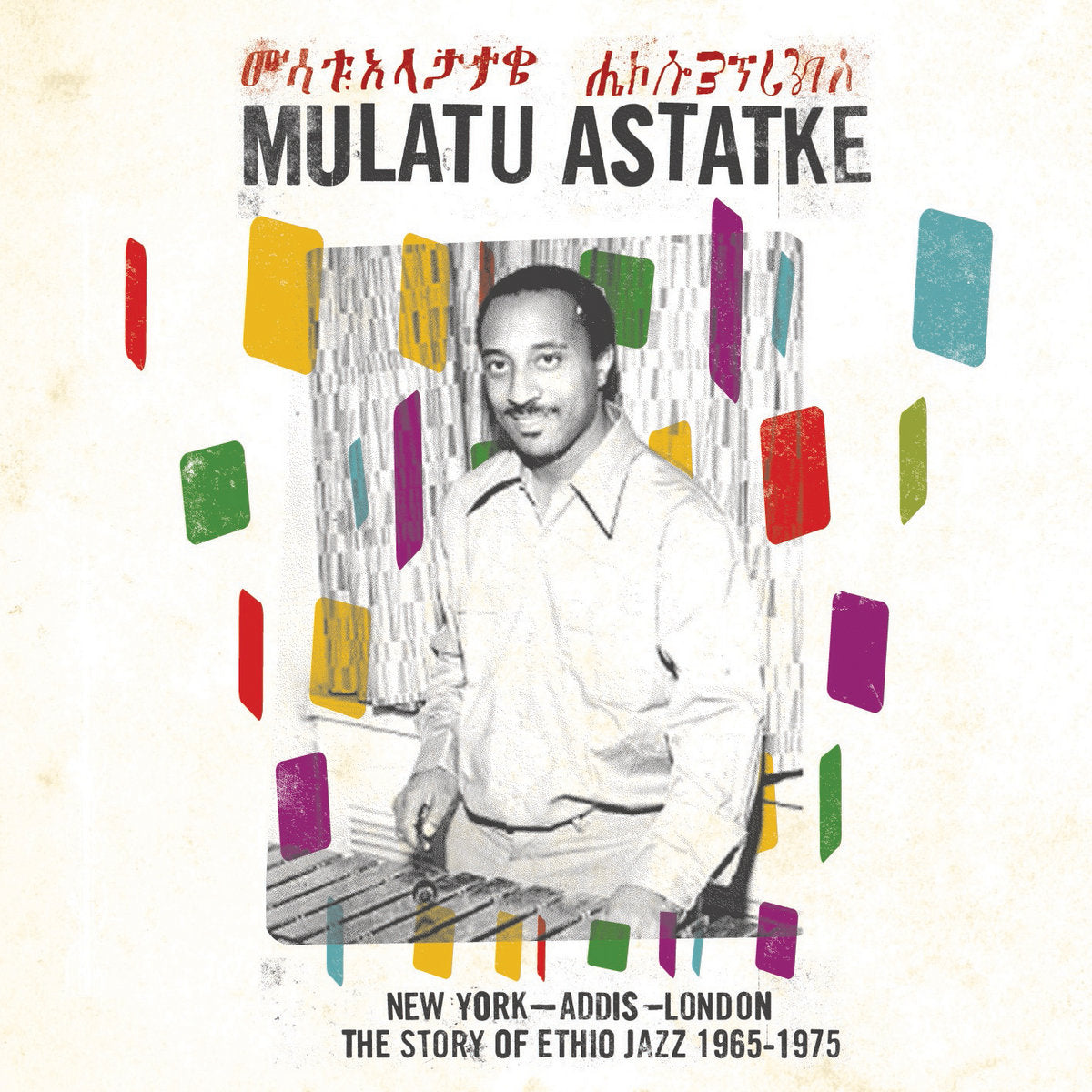
Mulatu Astatke’s Ethio-jazz was not created by simply placing Ethiopian melodies over American jazz. His musical path moved through Ethiopia, Wales, London and New York before returning to Addis Ababa. Strut’s retrospective of his 1965–1975 recordings describes how he gradually searched for a balance in which Ethiopian modes could retain their identity inside arrangements informed by jazz.

That word, balance, seems important. Fusion can easily become a situation where one language dominates and the other becomes decoration. In Mulatu’s music the harmonic and rhythmic centre does not always behave in the way a Western jazz listener expects. Vibraphone, horns, keyboards and percussion can sound familiar individually, yet the relationships between them shift the entire musical perspective.

It reminds me that originality does not necessarily require inventing a new instrument or technology. Sometimes it comes from hearing that two existing musical systems do not have to meet in the obvious place.

The interesting territory is often somewhere between them.

Mulatu Astatke 'New York – Addis – London The Story of Ethio Jazz 1965-1975'

#MulatuAstatke #EthioJazz #EthiopianMusic #Jazz

Jazz With Another Set of Scales Jazz With Another Set of Scales strutrecords Mulatu Astatke 'New York - Addis - London The Story of Ethio Jazz 1965 Vibraphone and keyboard player, master arranger and bandleader, Mulatu Astatke is one of the all-time greats of Ethiopian music and the creator of his own original music form, Ethio jazz. Through the acclaimed Ethiopiques album series and through featuring on the soundtrack to the Jim Jarmusch film Broken Flowers, his
Facebook LinkedIn WhatsApp Threads
More sharing options
X Reddit Pinterest Telegram Email