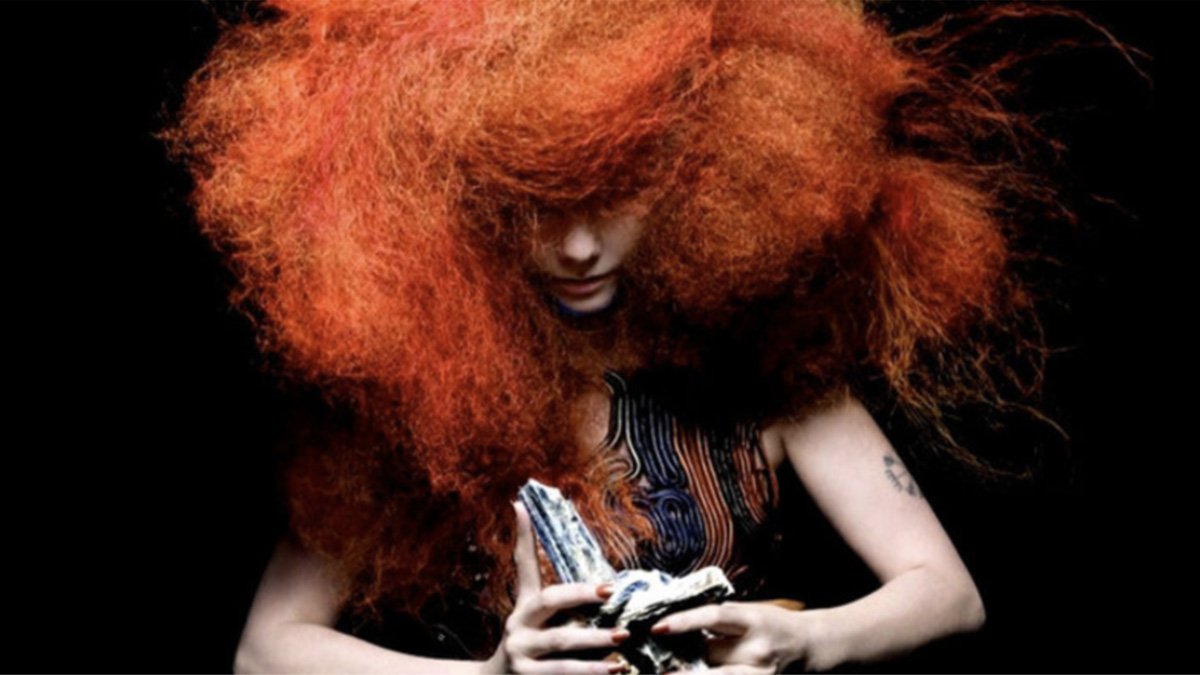
With Biophilia, Björk treated an album as something that could be entered, touched and changed. Released in 2011, the project connected ten songs to interactive apps exploring relationships between musical structures and natural phenomena. The live version pushed that idea into physical space with custom instruments: pendulum harps used gravity to pluck strings, Tesla coils produced pitched electrical arcs, and a modified celeste incorporated bronze gamelan bars. The project also included educational workshops rather than limiting itself to concerts.
What interests me is how Biophilia refuses to decide where the music actually lives. Is it in the recording, the app, the instrument, the physical force producing the sound, or the listener interacting with it? Most albums arrive as finished objects. Here the musical idea becomes a system that can be explored from several directions. Technology is not simply used to decorate the music. It becomes a way of making musical structure visible and playable.