| | |

Orphic

Orphic

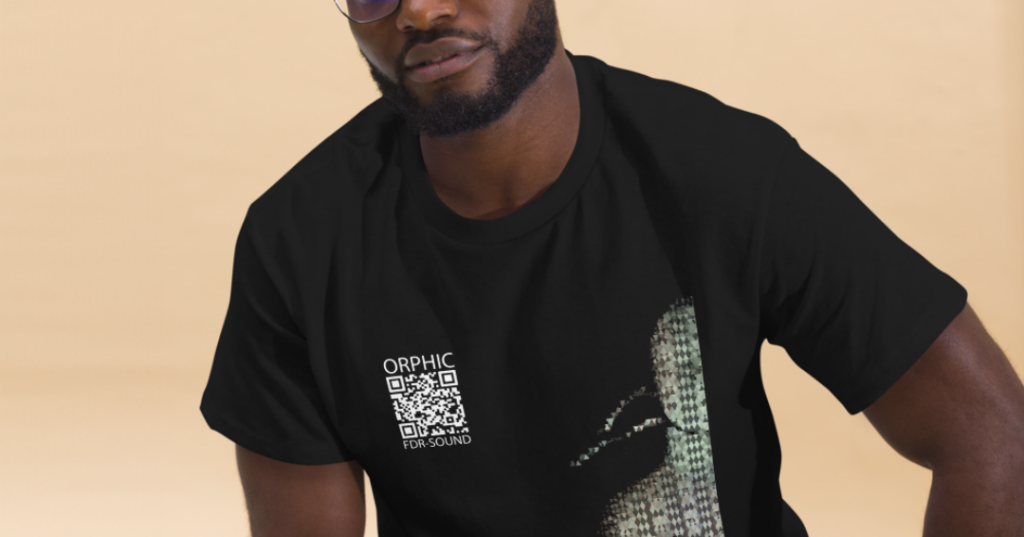
Orphic si sviluppa come un campo di nove immagini, riunite all’interno di una rigorosa composizione quadrata. Dentro quella cornice appaiono scene che segnano il nostro tempo: persone in continuo transito, guerra, un cimitero, aria inquinata, calotte glaciali che si sgretolano, il vuoto dello spazio pubblico durante il periodo del Covid, e una discarica. Ogni immagine esiste per sé, eppure nessuna rimane innocente nel proprio isolamento. Insieme formano una costellazione di inquietudine, perdita e urgenza umana, come se il mondo non venisse qui raccontato, ma rivelato in frammenti.

Al centro si trova la mia forma scultorea, modellata con l’intenzione di ricavarne uno stampo. Eppure, proprio in quel processo di fissaggio e conservazione, la figura è stata di nuovo parzialmente danneggiata. Sul retro, soprattutto intorno alla testa, sono tornati visibili i fili e i piccoli blocchi che un tempo tenevano insieme l’argilla. Ciò che avrebbe dovuto restare nascosto riaffiora in superficie. Ciò che un tempo serviva da sostegno appare ora come una cicatrice. Questo conferisce alla figura una presenza particolare: non come oggetto finito, ma come qualcosa che porta dentro di sé la propria vulnerabilità.

È qui che, per me, risiede il nucleo dell’opera. Gli esseri umani aspirano alla forma, all’ordine, al progresso e al controllo, eppure in quello stesso gesto lasciano ovunque tracce di frattura. Il mondo intorno a noi ne porta i segni: nella guerra e nei rifiuti, nel declino ecologico, nel vuoto, e in un modo di vivere che sembra essere sempre in movimento senza mai arrivare davvero. La figura centrale non offre una risposta a questa condizione, ma piuttosto una sua eco. Il corpo, o più precisamente la testa, appare qui come portatore di una civiltà che costruisce e destabilizza allo stesso tempo.

Orphic diventa così una riflessione sulla condizione umana. Su ciò che diventa visibile quando la superficie delle cose viene lacerata. Sul fragile confine tra creare e danneggiare, tra conservare e perdere, tra presenza e decadimento. L’opera non cerca di spiegare. Invece, trattiene lo sguardo su ciò che di solito cerchiamo di coprire: le tracce delle nostre azioni, i resti del nostro tempo, e la domanda su che cosa, alla fine, l’umanità lasci dietro di sé.

SPOTIFY

BANDCAMP

Similar Posts

  • | |

    The Creative Journey Behind “Space – Equations”: A Sonic Gateway Into Uncharted Realms

    “Space – Equations” is an innovative electronic composition that uses everyday tools, like chisels and hammers, to create unique sounds, highlighting the acoustic potential of ordinary spaces we inhabit. Created in Ableton, the track transforms raw sounds from these tools into an immersive soundscape, representing different environments and their unique acoustic characteristics. It aims to immerse listeners in a journey through sound, encouraging a deeper appreciation of everyday spaces. The piece exemplifies the exploration of unconventional instruments and challenges traditional music boundaries, inviting listeners to engage with the richness of their surroundings.

  • | |

    What’s In A Name

    Creating a soundscape that transports the listener to the heart of a rainforest can be a challenging task. However, with the help of electronic tools, it is possible to recreate the natural sounds of the jungle. We need to identify the different elements that make up a rainforest soundscape. The most obvious ones are the…

  • Artists and DJs in the EDM Scene

    The rise of EDM spotlighted numerous influential artists, each contributing uniquely to the genre. Avicii blended melodic house and pop; David Guetta brought EDM to mainstream audiences through collaborations; Calvin Harris produced radio-friendly hits. Skrillex popularized dubstep, while Tiësto and Martin Garrix advanced big-room house. Other key figures include Deadmau5, known for progressive house, and Zedd, who fused classical elements. The genre has seen continual evolution, with talents like Marshmello, Diplo, Steve Aoki, and emerging producers pushing boundaries through diverse sounds and collaborations, shaping EDM’s global impact.

  • Vangelis

    Vangelis, born Evangelos Odysseas Papathanassiou, is a renowned composer celebrated for his influential electronic music and evocative film scores. From his early musical endeavors in Greece to achieving global recognition with iconic works like “Chariots of Fire” and “Blade Runner,” Vangelis has left an indelible mark on the world of music. His legacy as a pioneering figure in electronic music and his ability to evoke deep emotions through his compositions will resonate with audiences for generations to come. His passing in May 2022 marked the end of an era, but his timeless works continue to inspire and influence musicians and filmmakers worldwide.

  • | |

    The Timeless Art of Sound

    Music is a universal language that spans across cultures and time, encompassing ancient rhythms and complex symphonies. This comprehensive exploration delves into the evolution of music through the ages, highlighting the emotional impact, therapeutic qualities, and the structure of music. It also delves into various music genres, the impact of technology, and the future trends, emphasizing the cultural significance of music, its role in education, in film and media, as well as its enduring power in the digital age and the live experience, signaling the timelessness and future possibilities of this art form.

  • | |

    3D Cubes x Orphic Overlay — Creative Coding in p5.js

    Deze post behandelt een creatieve codingstudie in p5.js, waarin ik twee beeldtalen in één frame combineer: een strikte 3D-structuur van geneste wireframe-kubussen en een vlakke 2D-laag geïnspireerd door Sonia Delaunay en Orphism. Ik ontwierp het resultaat specifiek voor VJ-projectie en ambient music performance. Twee Systemen in Één Beeld Ik bouwde de basis op uit vier…

Leave a Reply

Your email address will not be published. Required fields are marked *