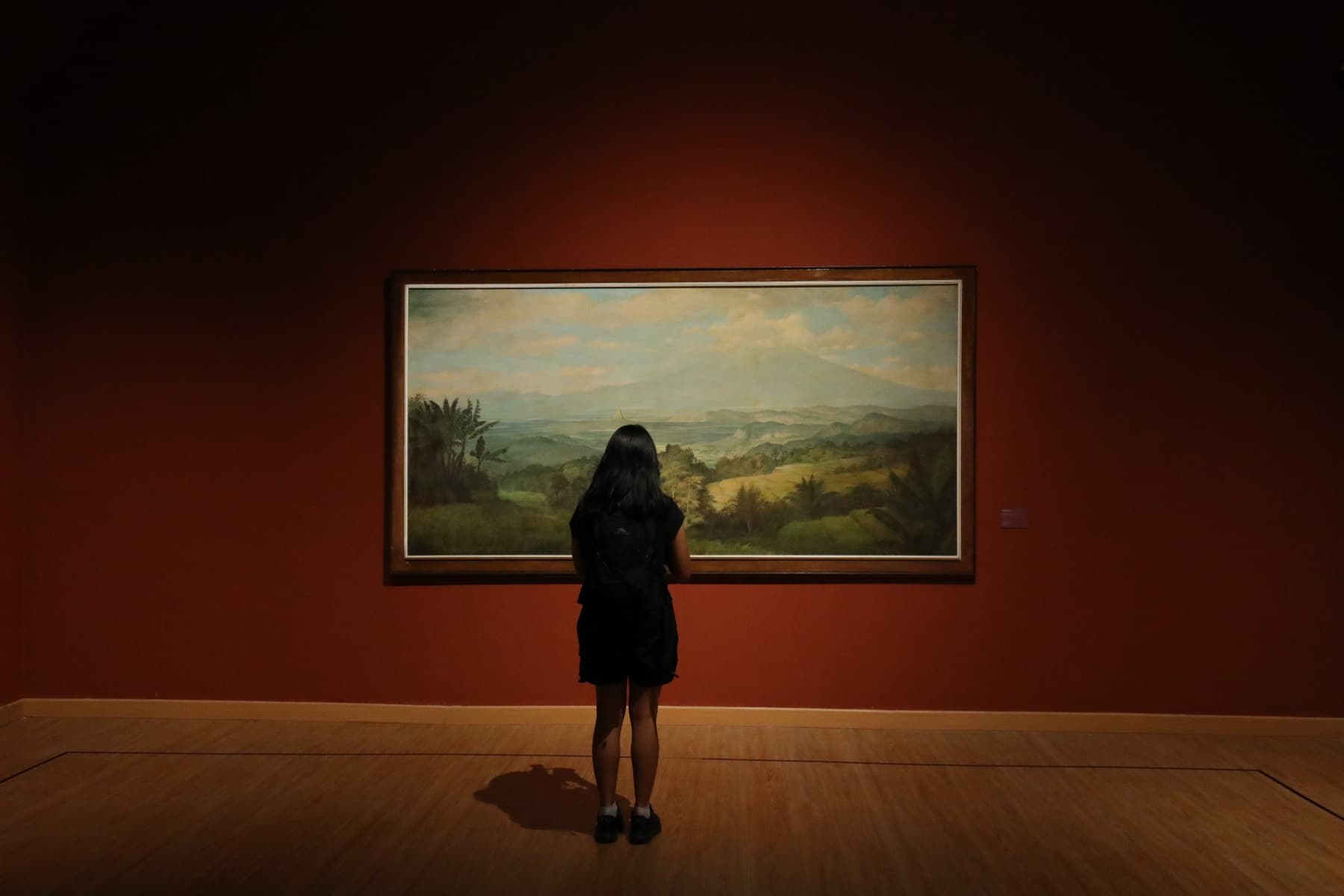
Jakarta’s National Gallery of Indonesia is currently presenting Oesman Effendi through both artworks and archival material. I like exhibitions that refuse to separate the finished object from the traces surrounding its creation. A painting may appear self-contained once it reaches a museum wall, but sketches, letters, photographs and documents can reveal a much less orderly process. Archives remind us that an artistic career is not a straight line of masterpieces. It is made from experiments, discarded directions, friendships, arguments and unfinished thoughts.
Painting a Return Home
Machines Performing Belief
Twenty-one years after representing New Zealand at the Venice Biennale, et al.’s the fundamental practice is being shown in its entirety in Aotearoa for the first time. Five moving autonomous systems, computer-generated voices and sound form what feels like a dystopian orchestra. What interests me is how easily machines can borrow the language of authority. A synthetic voice does not need to understand an idea to repeat it convincingly. The work turns technology into a strange theatre of belief, obedience and doubt.
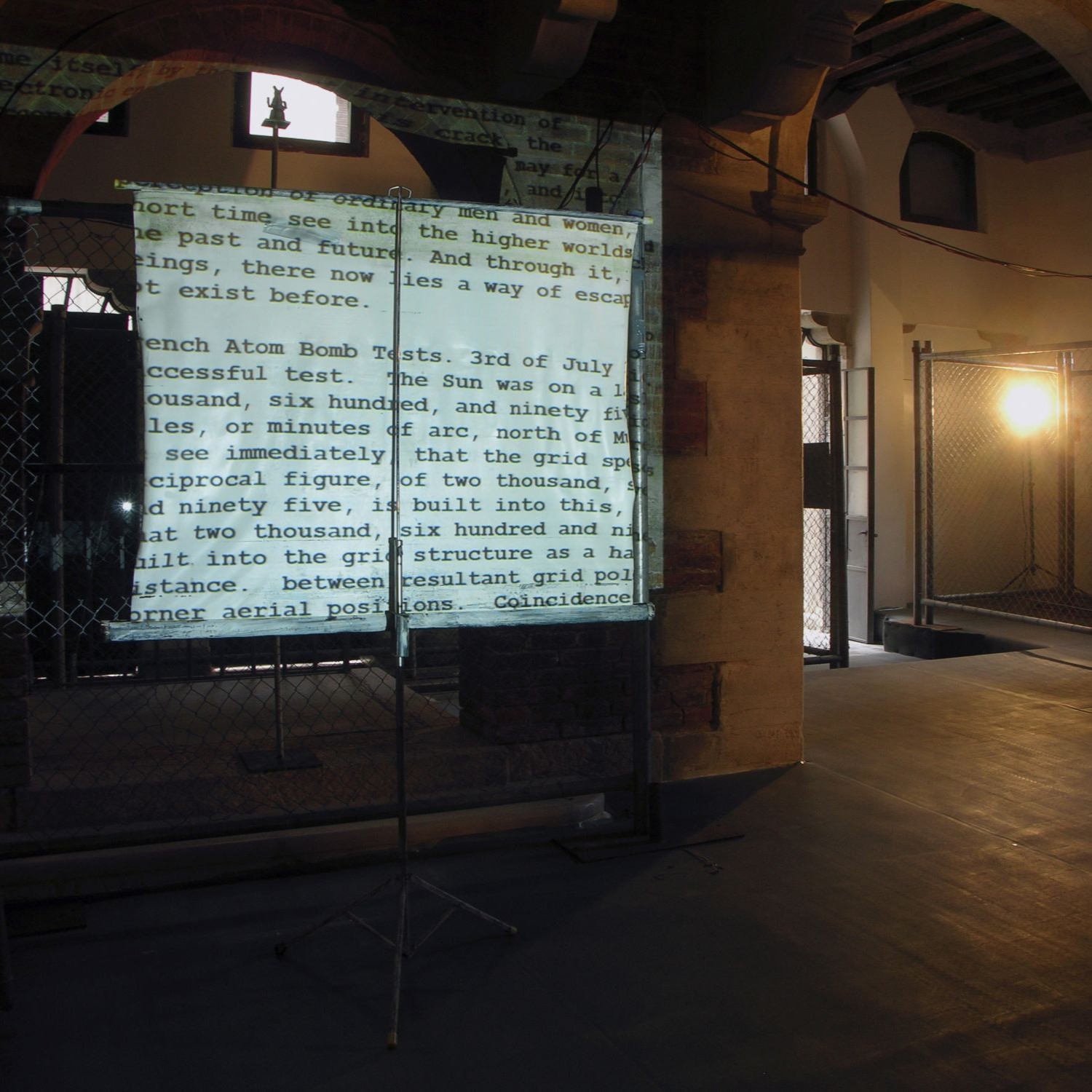 Auckland Art Gallery Toi o T?maki New Zealand’s 2005 Venice Biennale presentation to be shown in Aotearoa for the first time | Auckland Art Gallery Toi o T?maki New Zealand’s 2005 Venice Biennale presentation to be shown in Aotearoa for the first time.
A Geography Made From Feeling
MAMBO’s Desconfinamientos revisits works from its collection through the idea of affective geography rather than placing them neatly inside a conventional history of Colombian art. I find that approach interesting because places are never only coordinates. A city can be mapped through memories, disappearances, encounters and emotional attachments that no official map records. Collections can work the same way. Rearranging familiar works can reveal relationships that chronological order quietly hides. Sometimes changing the map is enough to change the story.
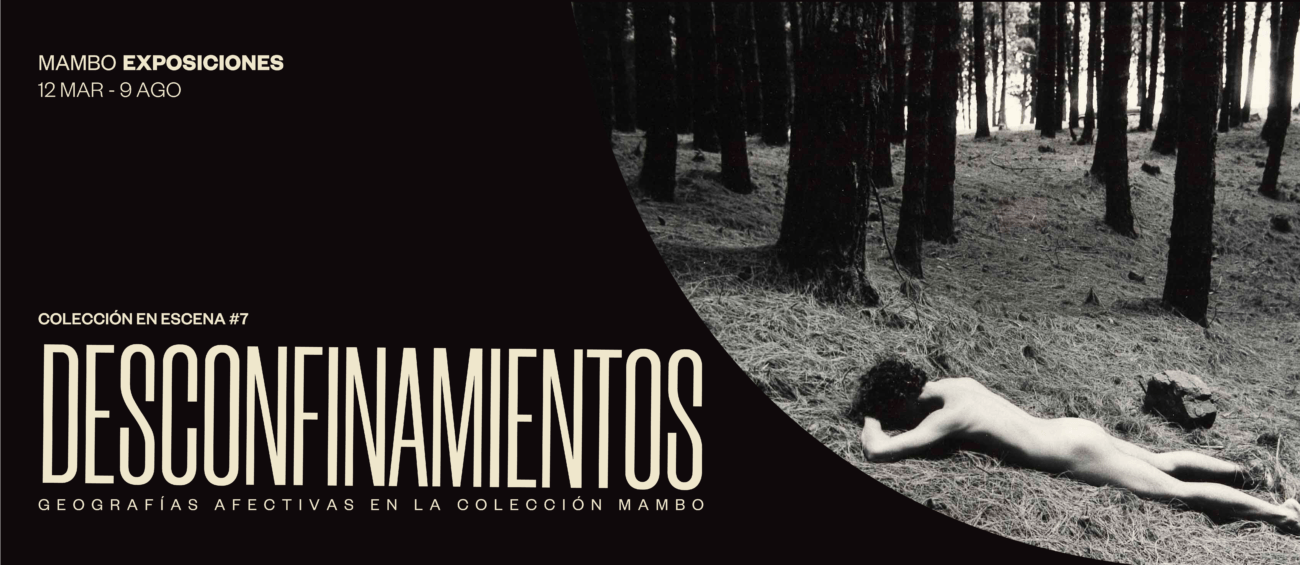 MAMBO Colección en escena #7 Desconfinamientos: Geografías afectivas en la Colección MAMBO - MAMBO El oráculo de la noche es la exposición individual de la artista colombiana María Isabel Rueda.
The People Behind the Museum
Fabienne Hess’s Lo invisible y sus tramas at Museo Amparo turns attention toward museum staff whose work normally disappears behind the exhibition. Images printed on silk move through the space while rarely shown collection pieces sit beside familiar works. I like this reversal of attention. Museums teach us what to look at, but they can also make the labour supporting that act of looking almost invisible. An exhibition does not simply appear on a wall. It is built from hundreds of decisions, gestures and forms of care that usually remain outside the frame.
https://museoamparo.com/exposiciones/piezas/315/lo-invisible-y-sus-tramas
#FabienneHess #MuseoAmparo #MexicanArtScene #InstallationArt
 museoamparo.com Fabienne Hess. Lo invisible y sus tramas | Exposiciones | exposiciones actuales | Museo Amparo, Puebla El trabajo del personal del Museo Amparo, que habitualmente es invisible en las galerías, ahora está en los muros. Las jerarquías se alteran: obras ...
A Painting That Also Performs
Pata Dekhabo? at KNMA follows narrative image-making traditions from Bengal and Jharkhand across three centuries. These scrolls are interesting because the image was never necessarily meant to stand silently on a wall. Storytelling, performance, ritual and community were part of how it lived. That changes the way I think about painting. We often separate image, sound and performance into different disciplines, but these traditions show how artificial those borders can be. Sometimes an image was always meant to unfold in time.
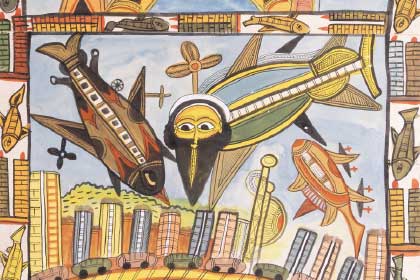 KNMA Pata Dekhabo? - KNMA An exhibition exploring narrative scrolls, storytelling traditions, and vernacular image-making across Bengal and Jharkhand. The exhibition brings together picture-making traditions from Bengal and Jharkhand through narrative scrolls and single-format images spanning three centuries. Featuring works from pattachitra and Santhal traditions, it explores how storytelling, performance, ritual, and everyday life intersect within these living practices. Tracing […]
Painting a Return Home
Gabriel Selassie Tsagli’s Son of Kafui marks his first exhibition in Accra after living between Ghana and Germany. The paintings grow from memory, family, displacement and his return to the city, with figures emerging through accumulated, scraped and pressed layers of paint. I like that memory is not treated as something precise enough to illustrate. Faces can appear as traces, colour can carry emotion, and a place can remain inside someone even after years elsewhere. Returning home does not necessarily close a circle. It may reveal how much the circle has changed.
https://www.gallery1957.com/exhibitions/141-gabriel-selassie-tsagli-son-of-kafui-gallery-ii-accra/
 Gallery 1957 Gabriel Selassie Tsagli - Son of Kafui | 23 Jul - 12 Sep 2026 The exhibition marks Selassie’s first with Gallery 1957, following his residency. Son of Kafui is a deeply personal return—shaped by memory and carried forward through devotion. The exhibition begins in the body’s remembrance of place: a specific mother, a specific city, a specific quality of light that never fully leaves....
When Unease Becomes a Collection
At Serralves in Portugal, Vexation of Spirit brings together works collected over four decades around moral unease and historical awareness. What interests me is the idea that a collection can become more than a sequence of individual tastes. Over time, choices begin to reveal a way of looking at the world. The artworks may have been created independently, yet placing them together produces another layer of meaning. Collecting is also editing: deciding which voices should remain beside one another long enough for unexpected conversations to begin.
https://www.serralves.pt/en/ciclo-serralves/2605-colecao-duerckheim/
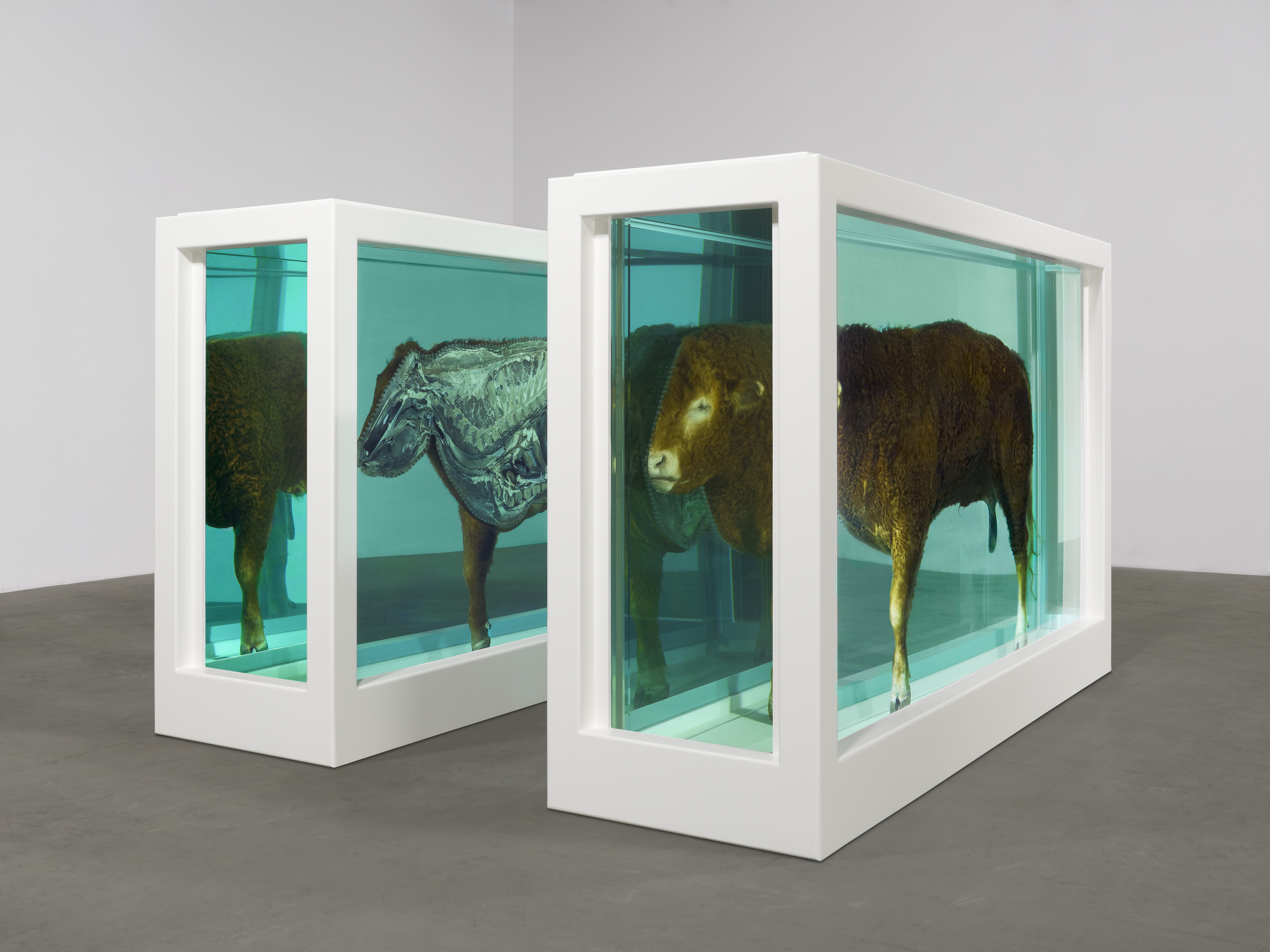 serralves.pt Vexation of Spirit. The Duerckheim Collection x Serralves Vexation of Spirit brings the Duerckheim Collection to Serralves. Art, conflict, religion and society in dialogue with recent history.
A Country Larger Than Its Borders
We Who Remain at Kiasma presents Sámi art across Sápmi, a cultural region extending through areas now divided between Finland, Sweden, Norway and Russia. That immediately complicates the neat borders on a museum label. Culture does not always fit the political maps created later around it. Art can make that mismatch visible, not by drawing another border but by showing how identity continues across the existing ones.
 Museum of Contemporary Art Kiasma We Who Remain | Museum of Contemporary Art Kiasma Organised jointly by Kiasma and the Sámi Museum Siida, this exhibition presents contemporary art by and about the Sámi community across the Sápmi territories of Finland, Sweden, and Norway.
Steel Learning to Perform
Len Lye treated movement almost like musical composition. In works such as Universe, flexible steel does not simply form a sculpture. It bends, vibrates, produces sound and traces temporary shapes through space. What interests me is that the object is never really the whole artwork. Energy completes it. Without movement, part of the sculpture is still missing.
https://govettbrewster.com/exhibitions/2024/len-lye-motion-compositions
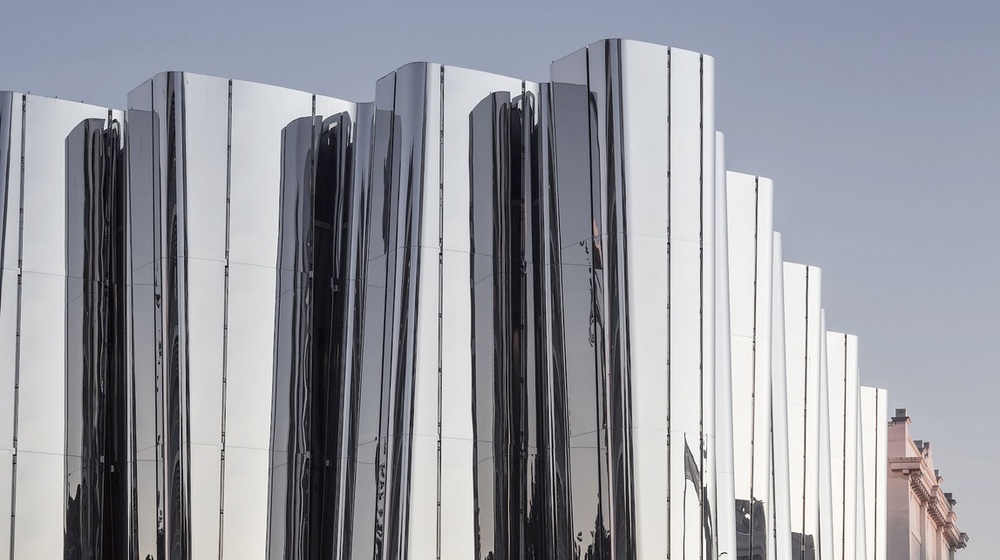 Govett-Brewster Art Gallery | Len Lye Centre Len Lye: Motion Compositions | Govett-Brewster Art Gallery | Len Lye Centre New Zealand's most courageous contemporary art museum and home to the collection of modernist filmmaker and kinetic artist Len Lye.
Walking on Melted Weapons
Doris Salcedo’s Fragmentos turns weapons surrendered by the FARC into a metal floor created with the participation of women who experienced sexual violence during Colombia’s conflict. Instead of building another heroic monument above us, Salcedo places history beneath our feet. I find that reversal powerful. A monument usually asks us to look up. This one changes the ground we stand on.
https://www.museonacional.gov.co/noticias/Paginas/Fragmentos.aspx
Digging Through the Recent Past
Before the Eclipse looks back at art made in Mexico between 1981 and 1991 through archaeology, ecology, popular culture and the country’s move toward globalisation. I like the use of archaeology as a metaphor for such a recent period. We normally dig through centuries. Here only a few decades are enough to reveal that ideas about national identity can become historical layers surprisingly quickly.
https://www.museotamayo.org/en/exposiciones/ante-el-eclipse-arqueologias-del-arte-en-mexico
.jpg) museotamayo.org Before the Eclipse Jun 10, 2026 - Oct 18, 2026
museotamayo.org Before the Eclipse Jun 10, 2026 - Oct 18, 2026