Skip to content

Electroacoustic

Art Stream
Audiovisual Art

The Album Belongs to a Video Artist Too

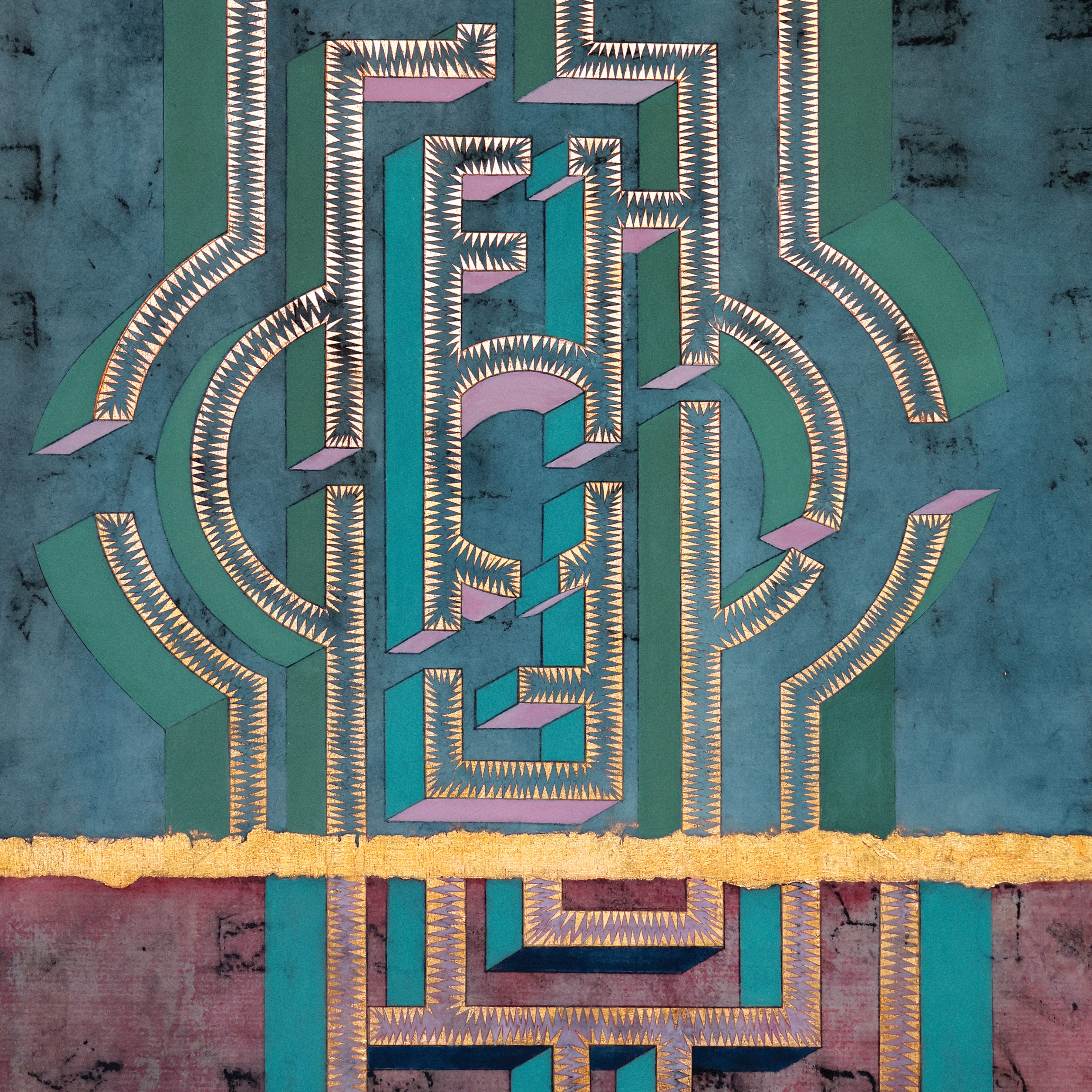
Solari, arriving on 25 September 2026, is the first release under the Courant Zéro name by Montréal sound and video artist Maxime Corbeil-Perron. His background in electroacoustic composition remains audible, but the album moves between ambient passages, rhythmic electronic music and dense digital structures rather than presenting itself as academic electroacoustics. It was recorded and mixed across Montréal, Morelia, Mexico City and Stockholm.

Corbeil-Perron is interesting for LumLux Art because the separation between music and moving image is already unstable in his practice. Sound does not simply accompany visuals, nor does video function as packaging added once the music is finished. Both come from a way of thinking about structure, texture, digital processing and time.

That matters in electronic work because the tools themselves increasingly overlap. A modulation curve can control brightness as easily as frequency. A rhythmic event can trigger a sound, a cut or a change in geometry. The difference between an audiovisual artist and an electronic musician can sometimes come down to which output cable is being watched.

Solari can be heard entirely as an album, but knowing that its maker also thinks through moving images changes the way its rapid transitions and spatial textures read. Some music feels composed not only across time but across an imagined screen.

CST194 Courant Zéro | Solari

#CourantZero #Electroacoustic #ElectronicMusic #AudiovisualArt
The Album Belongs to a Video Artist Too The Album Belongs to a Video Artist Too Constellation CST194 Courant Zéro | Solari Courant Zéro is the new moniker of Montréal multi-media installation artist and Kohlenstoff label co-founder Maxime Corbeil-Perron, signalling his return to purely recording-based electronic music production following several years focused on award-winning experimental film and audio-visual works. Solari channels his c
Facebook LinkedIn WhatsApp Threads
More sharing options
X Reddit Pinterest Telegram Email
ARP2500

One Synthesizer for Three Hours

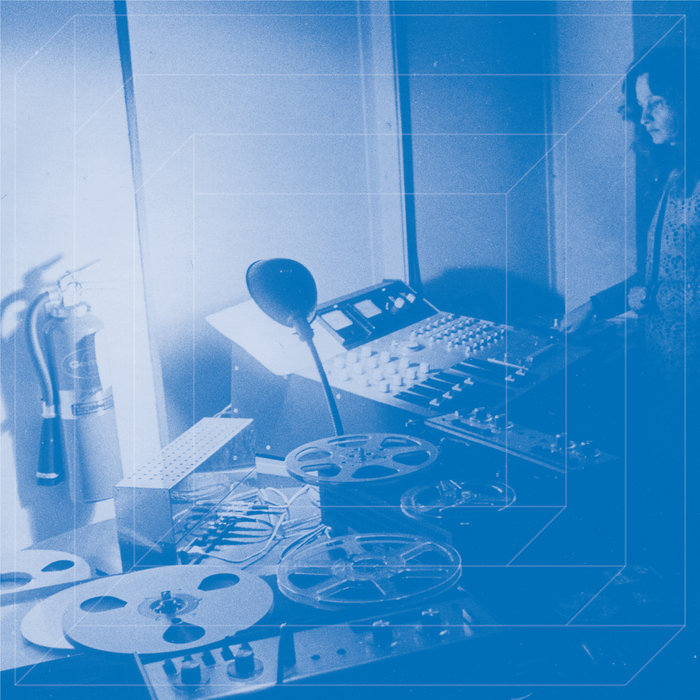
Éliane Radigue spent years working with the ARP 2500 synthesizer, often producing changes so gradual that they can initially seem almost motionless. Her Trilogie de la Mort consists of three extended works: Kyema, Kailasha and Koumé. Kyema, premiered in 1988, lasts more than an hour and was produced with the ARP 2500 onto magnetic tape. The trilogy developed through Radigue’s engagement with Tibetan Buddhism and the states of consciousness described around death and rebirth.

What interests me technically is the patience.

Synthesizers are often demonstrated through change. New patch. New modulation. New sequence. Another oscillator.

Radigue discovered how much can happen when almost nothing appears to happen.

A sustained electronic tone is never completely still. Frequencies interfere. Small changes alter beating patterns. Harmonics emerge and disappear according to listening position, volume and the acoustics of the room.

The listener begins doing part of the work.

After enough time, attention becomes more sensitive.

That makes Radigue’s music almost the reverse of contemporary digital culture. It does not compete for attention by introducing another event.

It removes events until attention itself becomes audible.

https://elianeradigue.bandcamp.com/album/trilogie-de-la-mort

#ElianeRadigue #ARP2500 #DroneMusic #Electroacoustic

One Synthesizer for Three Hours One Synthesizer for Three Hours Éliane Radigue Trilogie de la Mort, by Éliane Radigue 3 track album
Facebook LinkedIn WhatsApp Threads
More sharing options
X Reddit Pinterest Telegram Email