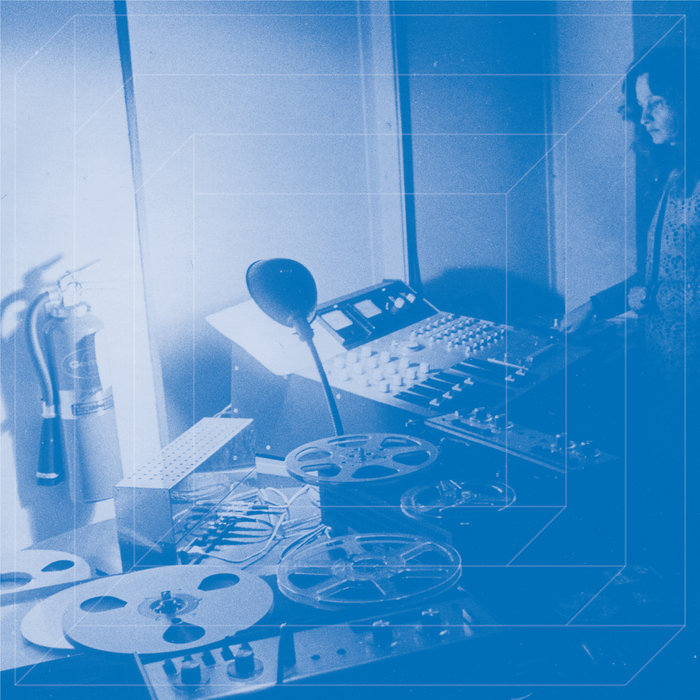
Éliane Radigue spent years working with the ARP 2500 synthesizer, often producing changes so gradual that they can initially seem almost motionless. Her Trilogie de la Mort consists of three extended works: Kyema, Kailasha and Koumé. Kyema, premiered in 1988, lasts more than an hour and was produced with the ARP 2500 onto magnetic tape. The trilogy developed through Radigue’s engagement with Tibetan Buddhism and the states of consciousness described around death and rebirth.
What interests me technically is the patience.
Synthesizers are often demonstrated through change. New patch. New modulation. New sequence. Another oscillator.
Radigue discovered how much can happen when almost nothing appears to happen.
A sustained electronic tone is never completely still. Frequencies interfere. Small changes alter beating patterns. Harmonics emerge and disappear according to listening position, volume and the acoustics of the room.
The listener begins doing part of the work.
After enough time, attention becomes more sensitive.
That makes Radigue’s music almost the reverse of contemporary digital culture. It does not compete for attention by introducing another event.
It removes events until attention itself becomes audible.
https://elianeradigue.bandcamp.com/album/trilogie-de-la-mort