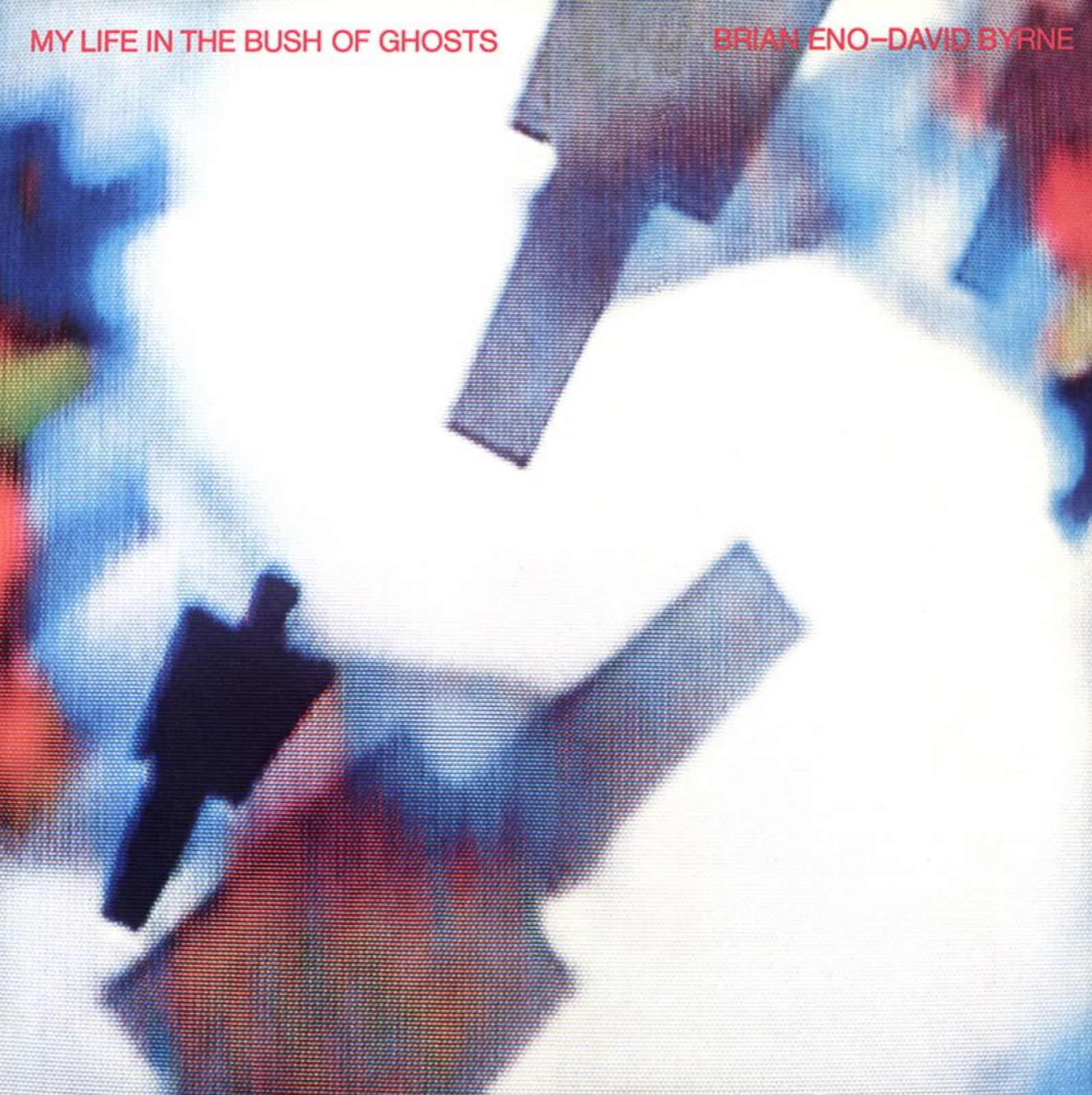
Brian Eno and David Byrne’s My Life in the Bush of Ghosts: A Revolutionary Musical Collage
In the ever-evolving world of music, few artists have consistently redefined the boundaries of sound as profoundly as Brian Eno. Known as the godfather of ambient music, Eno’s career has been marked by a relentless pursuit of innovation. One of his most groundbreaking achievements is his 1981 collaboration with Talking Heads frontman David Byrne, My Life in the Bush of Ghosts. This audacious album fused African rhythms, found sounds, and experimental electronic techniques to create a sonic landscape unlike anything the world had ever heard—and it remains as vibrant and influential today as it was over forty years ago.
Breaking New Ground with Sound
My Life in the Bush of Ghosts is not just an album; it’s an exploration of what music could be. At its core is an avant-garde philosophy: instead of traditional lyrics, Eno and Byrne incorporated the voices of people from across the globe. These voices were not professional singers or songwriters but instead came from an array of surprising sources—radio broadcasts, speeches, and religious chants. The duo skillfully manipulated these samples using tape loops and cutting-edge (for its time) studio techniques, transforming them into haunting and rhythmic layers of sound.
The result was a mosaic of auditory experiences that was at once hypnotic and disorienting. By using the human voice as both a narrative and an instrument, Eno and Byrne created something more akin to sonic art than conventional music. Their work didn’t merely borrow from global traditions—it engaged with them in a way that felt ahead of its time, raising questions about cultural appropriation even as it celebrated the universality of human expression.
The Pulse of the Earth: Rhythms and Textures
At the heart of the album lies its percussive power. Drawing inspiration from African drumming traditions, the beats on My Life in the Bush of Ghosts are insistent, raw, and primal. This grounding in rhythm contrasts with the ethereal quality of the manipulated vocals, creating a tension that defines the album’s unique energy. Tracks like “America Is Waiting” showcase this blend of urgency and abstraction, with its jarring samples and driving grooves.
Perhaps the album’s most iconic track, “The Jezebel Spirit,” exemplifies the duo’s fearless approach to sound. Featuring a Pentecostal preacher performing an exorcism, the track layers the preacher’s fervent voice over a relentless beat. The juxtaposition creates a sense of unease and fascination, a sonic storytelling technique that feels as visceral as it is innovative.
A Legacy of Innovation
When My Life in the Bush of Ghosts was released, it was met with both awe and controversy. The album’s use of samples, particularly religious chants and sacred sounds, sparked debates about artistic ethics and cultural sensitivity. Yet, its impact on the music world is undeniable. The album anticipated the rise of sampling in hip-hop, electronic music, and beyond, influencing artists from Public Enemy to Moby.
Its legacy is not just in its technical achievements but in its artistic vision. Eno and Byrne demonstrated that music could be a canvas for storytelling that transcends language and culture, blending the ancient and the modern, the organic and the synthetic. Even today, the album feels radical, a reminder of the endless possibilities that come with embracing experimentation.
The Power of Collaboration
Above all, My Life in the Bush of Ghosts is a testament to the transformative power of collaboration. Eno and Byrne, two creative forces in their own right, pushed each other to new heights, resulting in a work that neither could have achieved alone. Their partnership exemplifies how diversity—in ideas, sounds, and influences—can create something truly revolutionary.
Forty years on, My Life in the Bush of Ghosts remains a milestone in music history. It’s a bold reminder that the most enduring art often emerges from stepping into the unknown and embracing the unpredictable. For fans of electronic, ambient, or global music—or anyone curious about the limitless potential of sound—this album is an essential experience. Its spirit of curiosity and defiance continues to inspire, proving that music’s true power lies in its ability to challenge and transform.