Ambient Music is a form of music centred on atmosphere, texture and sustained listening rather than conventional song structure or rhythmic drive. It often uses drones, slowly evolving harmony, field recordings and electronic processing to create immersive environments that can sit between foreground and background.
The 51 tracks on Synthetic Water Music do not try to agree on what water sounds like. Across two hours, the compilation moves between reflective surfaces, submerged tones, imagined currents and pieces whose connection to water is suggested more by texture than by direct imitation. Its scale makes it less like a concept album and…
Brussels producer Le Motel made much of Pozo de Agua outdoors or while travelling, especially on trains. The album, due on 15 September 2026 through Constellation Tatsu, treats environmental recordings such as water, movement and air with the same compositional weight as more conventional instruments. Those materials drift through ambient electronics and overlapping rhythmic structures…
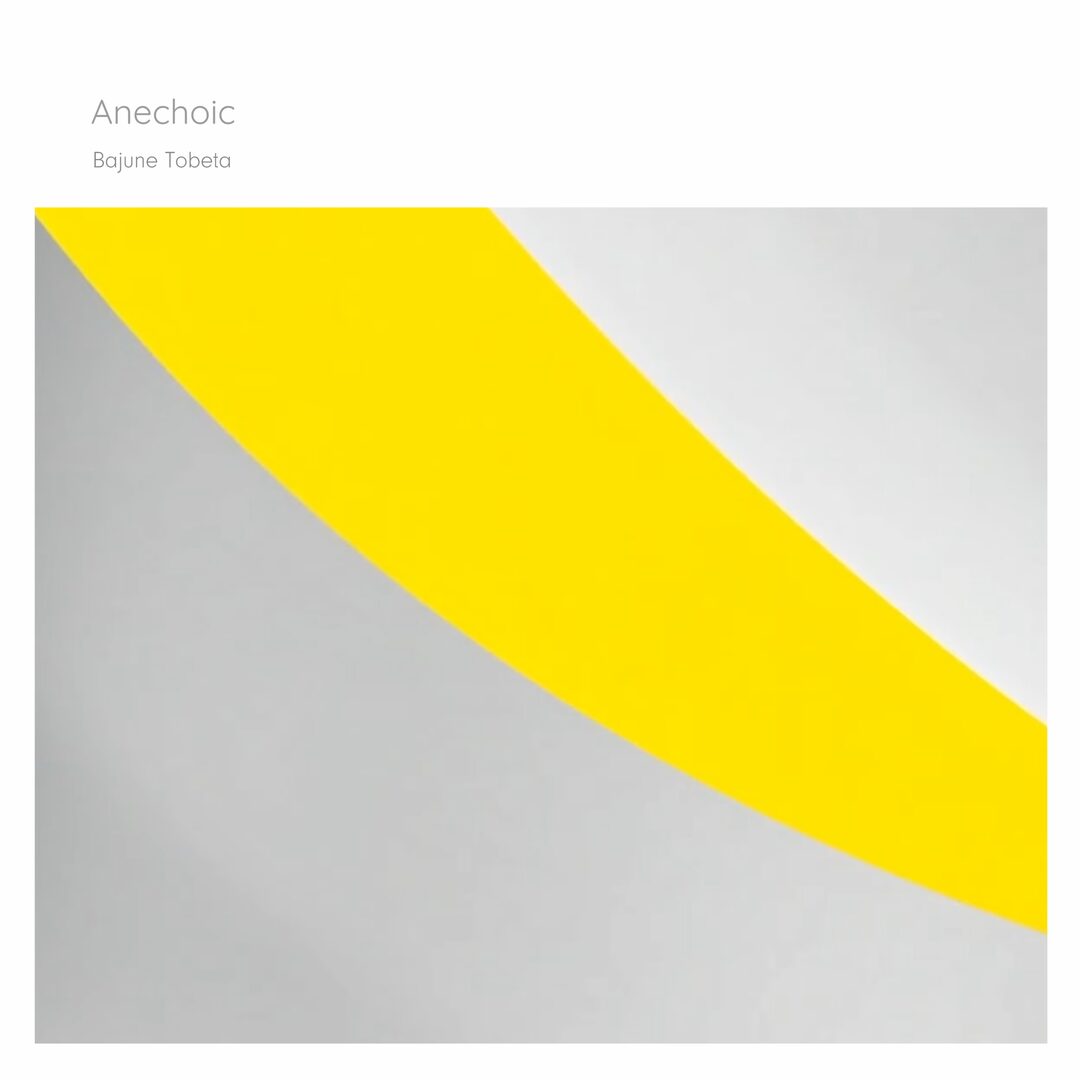
Bajune Tobeta’s Anechoic, released on 14 August 2026, takes its title from one of the strangest acoustic spaces humans build. An anechoic chamber is designed to absorb reflections. Sound reaches the walls and, instead of returning as reverberation, is largely removed. Tobeta translates that idea into five pieces combining electronics, piano and contemporary classical elements.…
Explore the official releases of FDR-Sound, an independent electronic music project by Frank De Rop from Antwerp, Belgium.Each release can take a different direction in sound, mood and structure, ranging from atmospheric and experimental electronic music to more rhythmic and melodic productions.This page brings together FDR-Sound EPs, singles and selected tracks, with links to the…
Selected Ambient Works Volume II has become one of Aphex Twin’s most recognisable records, yet parts of its history are surprisingly ordinary. The album appeared in 1994, long before ambient music became a permanent streaming category. In notes accompanying the later expanded edition, Richard D. James recalls recording “Blue Calx” in his bedroom studio at…
Susumu Yokota’s Symbol is assembled from fragments of classical recordings by composers including Debussy, Ravel, Prokofiev and Tchaikovsky, alongside material connected with John Cage and Meredith Monk. Yet the 2004 album rarely feels like a demonstration of clever sampling. The fragments are transformed into an atmospheric world where the historical source can become difficult to…
Apollo Reverb is an electronic soundscape by FDR-Sound, inspired by the Apollo missions and the atmosphere of space exploration. The piece approaches the subject through sound, texture and spatial movement rather than as a literal reconstruction of a space mission. It combines electronic composition and sound design to create a sense of distance, scale and…
Today, we delve into the rich, ethereal landscapes of an electronic ambient sound — FDR-Sound’s composition titled “Space – Euclidean”. Composed in Ableton, this track is more than a product of digital manipulation and experimentation; it is a raw, emotive to the rhythmic pulse of the natural world around us. The brilliance of “Space –…
“Space – Equations” is an innovative electronic composition that uses everyday tools, like chisels and hammers, to create unique sounds, highlighting the acoustic potential of ordinary spaces we inhabit. Created in Ableton, the track transforms raw sounds from these tools into an immersive soundscape, representing different environments and their unique acoustic characteristics. It aims to immerse listeners in a journey through sound, encouraging a deeper appreciation of everyday spaces. The piece exemplifies the exploration of unconventional instruments and challenges traditional music boundaries, inviting listeners to engage with the richness of their surroundings.
Ambient music and soundscapes are distinct yet interrelated auditory experiences. Ambient music, popularized by Brian Eno, creates mood without demanding attention, evolving slowly and integrating various sounds. In contrast, soundscapes, coined by R. Murray Schafer, comprise the total sounds in an environment and lack artistic intent. Both influence human perception and behavior, reflecting cultural significance. As technology evolves, their boundaries blur, leading to innovative forms like immersive sound experiences, highlighting the art and science of listening.