Skip to content

Electronic Music

A genre characterized by the use of electronic instruments, synthesizers, and digital production techniques to create innovative sounds and rhythms, spanning styles like techno, house, dubstep, and ambient.

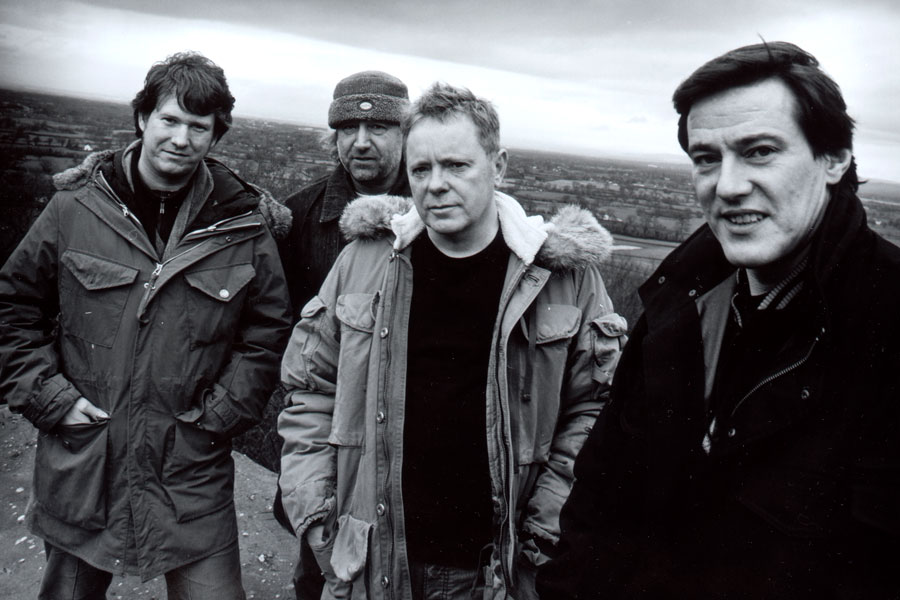
Blue Monday Needed a Homemade Circuit

New Order’s “Blue Monday” now sounds like a piece of electronic music whose machines must have known exactly what they were doing. They did not. The group had a sequencer and a drum machine that could not communicate properly with each other. Bernard Sumner has recalled taking the equipment to Martin Usher, who designed an…

Read more

FDR-Sound Releases

Explore the official releases of FDR-Sound, an independent electronic music project by Frank De Rop from Antwerp, Belgium.Each release can take a different direction in sound, mood and structure, ranging from atmospheric and experimental electronic music to more rhythmic and melodic productions.This page brings together FDR-Sound EPs, singles and selected tracks, with links to the…

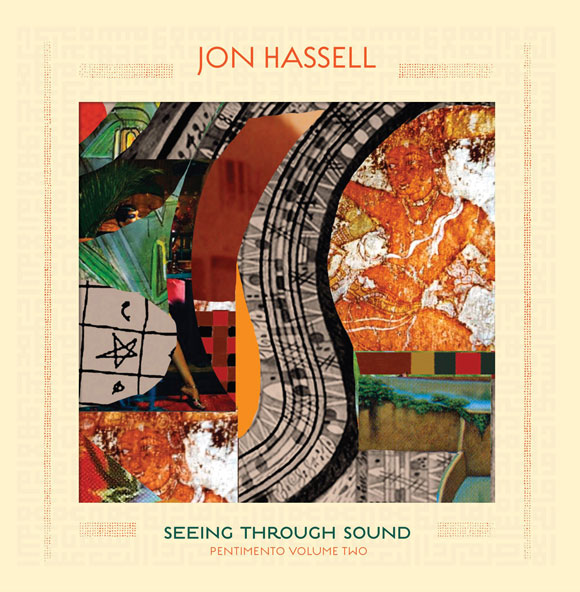
A Trumpet That Forgot It Was a Trumpet

Jon Hassell transformed trumpet playing by combining techniques influenced by Indian classical singing with electronic processing. On Vernal Equinox, first released in 1977, the trumpet can become difficult to locate inside the music. It bends between pitches, passes through effects and sits among percussion, synthesizer drones, environmental recordings and other textures. Hassell later developed the…

Read more

SOPHIE Designed Materials That Never Existed

SOPHIE often talked about synthesis in physical terms. Rather than asking how to imitate a conventional instrument, the producer thought about materials: bubbles, latex, metal, liquid, plastic. Sounds could behave as though they possessed weight, elasticity, friction or surface. That approach is part of why tracks such as “BIPP,” “LEMONADE” and “HARD” still sound so…

Read more

Radiohead Used an Instrument From 1928

When Radiohead moved away from guitar-centred rock on Kid A, Jonny Greenwood became fascinated by the Ondes Martenot, an electronic instrument invented by Maurice Martenot at the end of the 1920s. Its eerie continuous tones are usually associated with early electronic composition and composers such as Olivier Messiaen. Radiohead placed that sound inside a completely…

Read more

Electronic Music Hidden in an Archive

Bülent Arel was one of the composers working at the Columbia-Princeton Electronic Music Center during the formative years of American electronic music. Columbia University’s archive still contains tapes, work materials and fragments connected with his electronic compositions, including material associated with Stereo Electronic Music No. 1 and other experiments from the 1960s. Arel is exactly…

Read more

Turning a Mouse Into an Instrument

Laurie Spiegel created Music Mouse in the mid-1980s when personal computers were only beginning to enter ordinary homes. Instead of treating the mouse as a device for selecting menus, she turned its movement into musical control. Moving across the screen could generate melodies, harmonies and arpeggios in real time. In 2026 Eventide released a modern…

Read more

The Bassline That Changed the Future

When Giorgio Moroder and Donna Summer made “I Feel Love” in 1977, the idea was to imagine what dance music might sound like in the future. Moroder constructed almost the entire instrumental backing electronically, including bass, kick, snare and hi-hat, creating the mechanical pulse that became the track’s defining feature. What still surprises me is…

Read more

The Nigerian Synth Records Nobody Could Explain

William Onyeabor self-released a series of records in Nigeria between 1977 and 1985, then largely abandoned music and refused for years to explain much about how those recordings had been made. That silence contributed to the mythology, but the music itself is more interesting than the mystery. Onyeabor’s records combine long-form funk grooves, electronic keyboards,…

Read more

The Circuit Died After Performing

Louis and Bebe Barron did not use conventional synthesizers for Forbidden Planet in 1956. They constructed electronic circuits specifically for the film and recorded the unpredictable sounds those circuits produced. Influenced by ideas from cybernetics, the Barrons treated circuits almost as primitive organisms. Individual systems behaved differently, changed as components heated up and could eventually…

Read more