Skip to content

Abstract Art

Abstract Art moves away from direct representation to focus on colour, form, gesture, structure and visual relationships. It ranges from geometric systems to expressive compositions and can be entirely non-objective or retain traces of recognisable subjects.

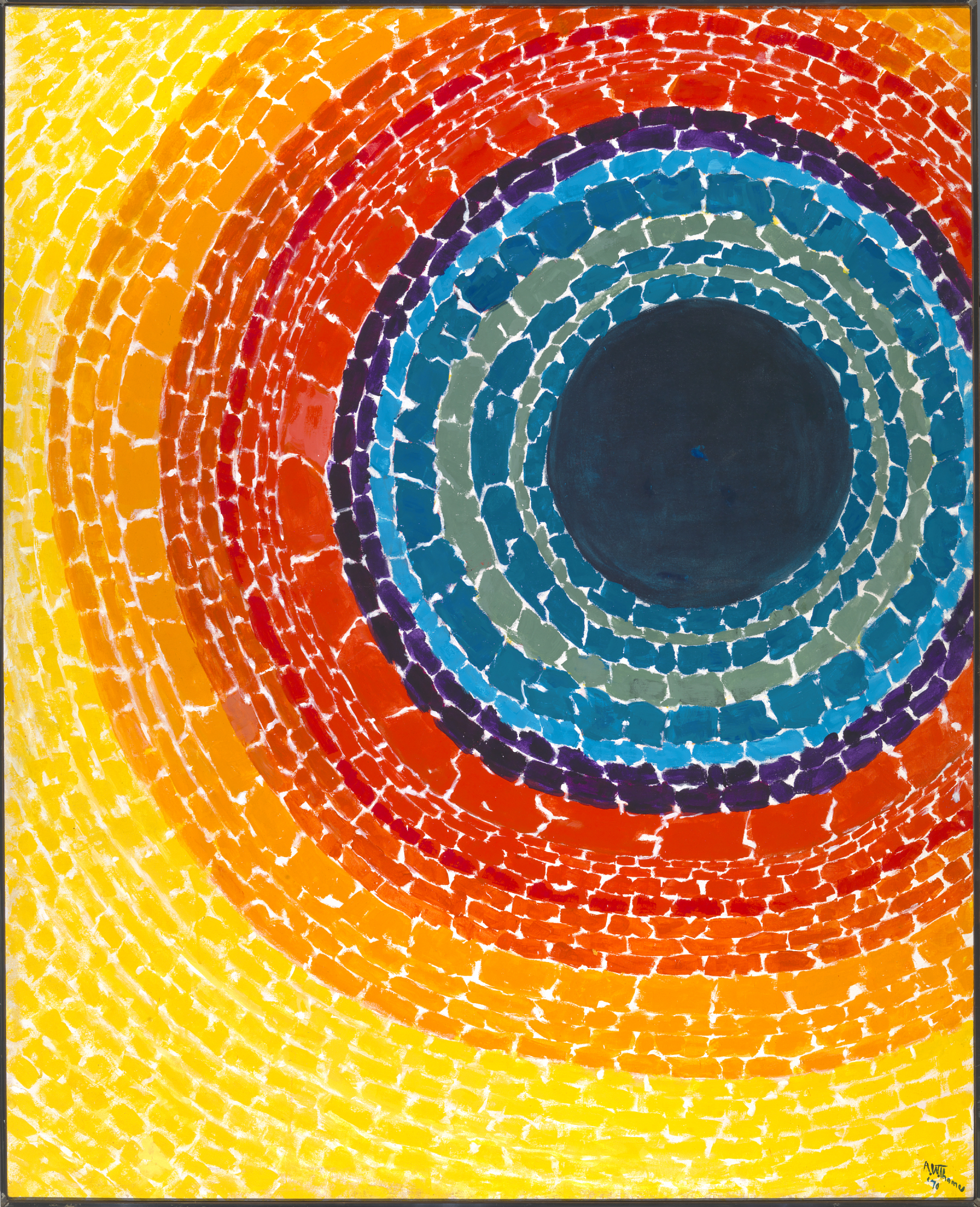
Alma Thomas Painted While Music Played

Alma Thomas spent decades teaching art before her most recognisable abstract paintings emerged after retirement. By then she was already in her seventies. Her mature paintings use repeated blocks and strokes of colour separated by narrow areas of exposed canvas. The Smithsonian has documented another detail that makes those rhythms more interesting: Thomas frequently listened…
Read more

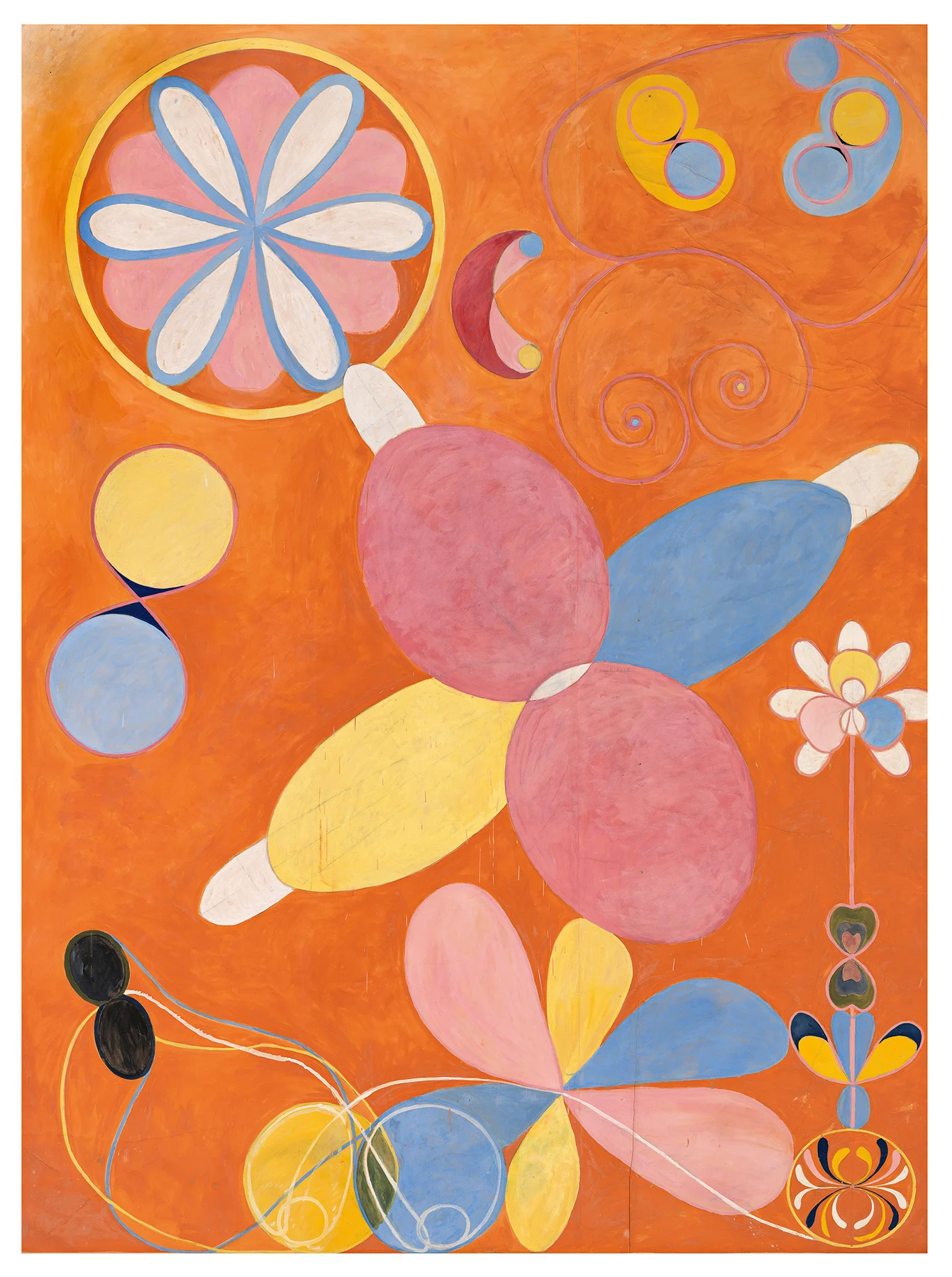
Painting for a Temple That Never Existed

Hilma af Klint began The Paintings for the Temple in 1906, creating a vast cycle of works filled with spirals, circles, botanical forms, letters and vivid colour long before abstraction became established in European modernism. The current Grand Palais exhibition in Paris brings this cycle to France for the first time, including the monumental The…

Read more

Abstract Art

Abstract art revolutionized painting in the early 20th century, prioritizing shapes, colors, and textures over realistic representation. Pioneered by artists like Malevich, Mondrian, and Pollock, it explores emotion and inner experience. Abstract art continues to influence contemporary movements while encouraging personal interpretation and emotional connection in viewers.