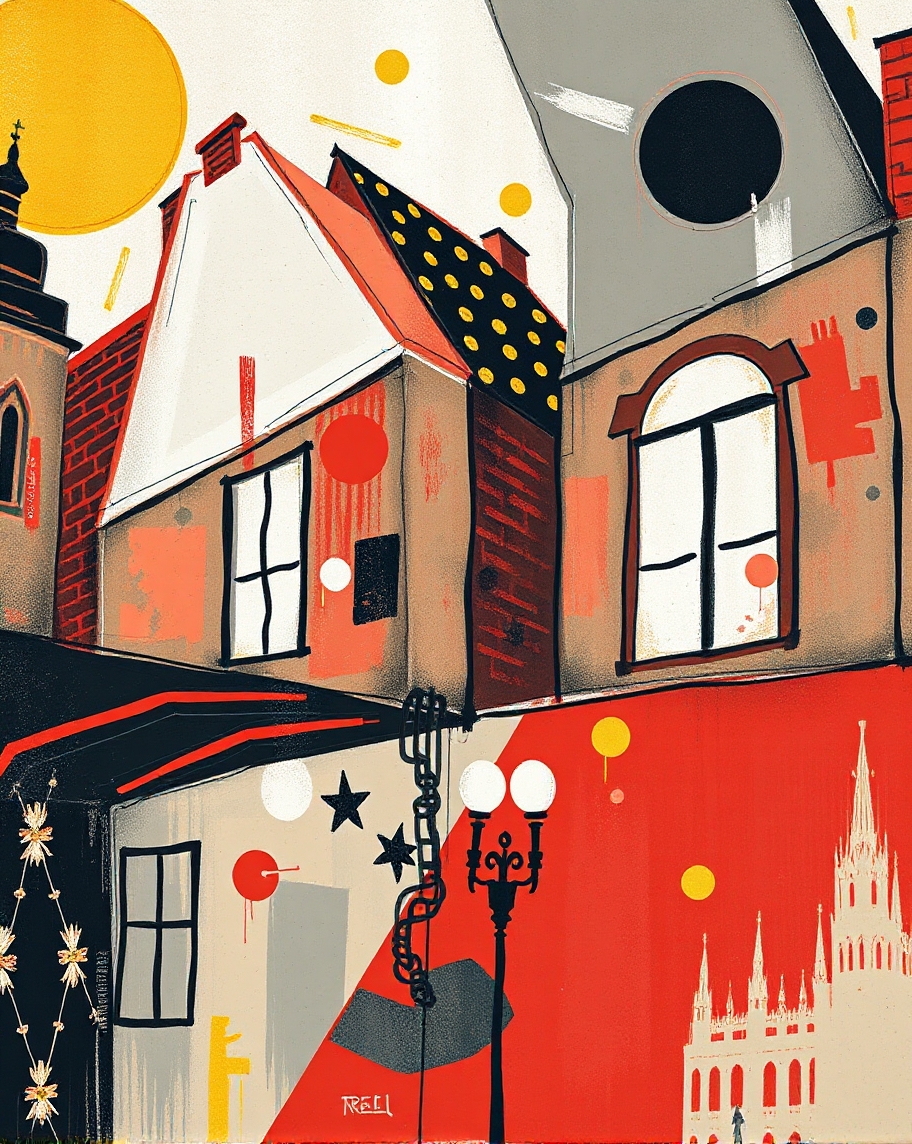
A Journey Through History, Culture, and Lifestyle

Introduction
Belgium, though small in size, is an extraordinary treasure trove of history, culture, and culinary delights. Nestled in the heart of Western Europe, this enchanting country charms visitors with its medieval towns, bustling cities, and rich traditions. Known for its iconic chocolate, beer, and waffles, Belgium also boasts a deep and fascinating history, serving as the crossroads for countless European civilizations and a central figure in shaping modern Europe.
Despite its compact geography, Belgium’s diverse regions—Flanders, Wallonia, and Brussels-Capital—offer unique languages, cultures, and landscapes that make it a microcosm of the continent itself. As the de facto capital of the European Union, Belgium plays a pivotal role in international diplomacy and commerce, all while preserving its artistic legacy and quaint local traditions.
In this guide, we’ll explore Belgium’s captivating history, delve into the lifestyle of its people, wander through its vibrant cities, and uncover the must-see attractions that make this country so special. Whether you’re savoring a praline from a master chocolatier, strolling along cobblestone streets, or cycling through the scenic countryside, Belgium promises an unforgettable adventure. Let’s embark on a journey through this remarkable country and discover all it has to offer.
§

A Brief History of Belgium
Belgium’s history is as intricate and detailed as the lacework it is famous for. Positioned at the crossroads of Europe, Belgium’s strategic location has made it a pivotal player in the continent’s history, often serving as a battleground for empires and a melting pot of cultures.
Early History: Celtic and Roman Roots
Belgium’s story begins in pre-Roman times when it was inhabited by Celtic tribes. Among these were the Belgae, a group described by Julius Caesar as one of the most formidable tribes of Gaul. This ancient connection is where the name “Belgium” originates.
In 57 BC, the Romans, led by Caesar, conquered the Belgae and integrated the region into the Roman Empire, naming it Gallia Belgica. Under Roman rule, the territory flourished. Cities such as Tournai and Tongeren became important trading hubs. The region was known for its high-quality wool production and was integrated into a network that spanned the vast Roman Empire.
The Roman influence left a lasting legacy in Belgium, including a system of roads, aqueducts, and early forms of urbanization. However, the fall of the Roman Empire in the 5th century led to a period of upheaval, with invasions by Germanic tribes such as the Franks.
The Middle Ages: The Rise of City-States
With the disintegration of the Roman Empire, the region that would become Belgium fragmented into smaller feudal territories. By the Middle Ages, these territories evolved into prosperous city-states. Cities like Bruges, Ghent, and Antwerp emerged as vital trade and cultural centers, thanks in part to their strategic locations near major rivers and ports.
- Economic Growth: The textile industry was the backbone of these cities’ wealth. Flemish woolen cloth became a prized commodity throughout Europe, fueling trade and the rise of a powerful merchant class.
- Cultural Flourishing: The late medieval period also saw Belgium emerge as a cultural hub. Flemish artists like Jan van Eyck and Hans Memling were pioneers of the Northern Renaissance.
The region’s prosperity attracted the attention of European powers, and Belgium became a battleground for territorial control. Despite its small size, it wielded economic and cultural influence far beyond its borders.
Under Foreign Rule: A European Pawn
Belgium’s strategic importance meant it rarely enjoyed prolonged independence. Over the centuries, it was ruled by a succession of foreign powers:
- Spanish Rule (16th-17th century): After the Burgundian period, Belgium fell under Spanish Habsburg control. The Counter-Reformation deeply influenced the region, leaving a legacy of stunning Baroque churches and art by masters like Peter Paul Rubens.
- Austrian Rule (18th century): With the War of the Spanish Succession, Belgium came under Austrian control. This period saw modernization efforts, including legal reforms and the expansion of infrastructure.
- French Rule (late 18th century): Following the French Revolution, Belgium was annexed by France. Napoleon’s reign brought administrative changes, but his defeat in 1815 marked a turning point.
The Congress of Vienna in 1815 placed Belgium under the rule of the Dutch monarchy, forming the United Kingdom of the Netherlands. However, cultural and religious differences between the Dutch and Belgians created tension.
Belgian Independence: A Nation is Born
In 1830, Belgium declared its independence after a revolution sparked by dissatisfaction with Dutch rule. The movement was fueled by a mix of cultural pride, economic interests, and Catholic identity. Belgium adopted a constitutional monarchy, and King Leopold I became its first monarch in 1831.
The new nation quickly industrialized, becoming one of the world’s first industrialized countries. Its coal and steel industries were at the forefront of technological innovation, and cities like Liège and Charleroi became economic powerhouses.
World Wars: A Battleground Once More
Belgium’s central location made it a focal point in both World War I and World War II.
- World War I: When Germany invaded Belgium in 1914, the country’s neutrality was violated. This invasion brought Britain into the war. Belgium endured severe devastation, particularly in cities like Ypres, which became symbolic of the horrors of trench warfare.
- World War II: Once again, Germany invaded Belgium in 1940. The occupation was brutal, but the Belgian resistance played a significant role in disrupting Nazi operations.
Despite immense suffering, Belgium emerged from the wars as a key player in the rebuilding of Europe.
Modern Era: Belgium in the Heart of Europe
Post-war Belgium embraced its role as a unifying force in Europe. It became a founding member of key international organizations:
- European Union: Belgium was a founding member of the European Coal and Steel Community, the precursor to the EU. Today, Brussels is the de facto capital of the EU, hosting institutions like the European Commission and the European Parliament.
- NATO: Belgium was also a founding member of NATO, further cementing its role in international diplomacy.
Modern Belgium is a federal state, divided into three regions—Flanders, Wallonia, and Brussels-Capital—each with significant autonomy. Despite linguistic and cultural differences between the Dutch-speaking north and the French-speaking south, Belgium remains a model of coexistence.
A Legacy of Resilience
Belgium’s history is a testament to resilience. From its Celtic roots to its modern role as a hub of international cooperation, the country has continually adapted to challenges and emerged stronger. Its rich history is etched into its architecture, art, and cultural traditions, offering visitors a unique window into Europe’s past and present.
§

The Belgian Lifestyle: A Harmonious Blend of Work, Leisure, and Diversity
Belgium’s lifestyle reflects a sophisticated balance between work, relaxation, and cultural enrichment. With its deep-rooted traditions and modern sensibilities, Belgium offers a way of life that is as varied as its linguistic and cultural identity. From a strong sense of community to a love for the arts, sports, and gastronomy, Belgium’s unique charm lies in its harmonious fusion of influences.
Work-Life Balance: A Culture of Moderation
Belgians are renowned for their ability to maintain a healthy work-life balance. This balance is not just a cultural ideal but is supported by laws and societal norms that prioritize well-being.
- The Workweek: The standard workweek in Belgium is around 38 hours, and there are strict regulations to prevent overworking. Flexible working arrangements, including remote work, are increasingly common.
- Generous Leave: Belgian employees enjoy ample vacation days, public holidays, and parental leave. This allows them to dedicate time to family, hobbies, and travel.
- Weekend Activities: Weekends are often reserved for personal pursuits, whether it’s a leisurely stroll in the countryside, a visit to a museum, or a family barbecue.
Belgians take pride in their ability to enjoy life while maintaining productivity, a balance that contributes to their overall happiness and social cohesion.
Cultural Diversity: A Multilingual and Multicultural Nation
Belgium’s small size belies its rich linguistic and cultural diversity. The country has three official languages: Dutch, French, and German, each tied to specific regions.
- Flanders: The northern region of Flanders is predominantly Dutch-speaking. The Flemish people are known for their industriousness and creativity, which is reflected in their thriving economy and cultural contributions.
- Wallonia: In the south, Wallonia is French-speaking, and its people are celebrated for their warmth and passion for art and gastronomy.
- German-Speaking Community: A small but significant German-speaking community resides in the eastern part of the country, adding another layer to Belgium’s cultural mosaic.
- Brussels: As the capital and a bilingual region, Brussels is a microcosm of Belgium’s diversity, with a mix of Dutch and French speakers and a growing international population.
This multilingual framework fosters a spirit of tolerance and cooperation, making Belgium a model for multicultural living.
Social Life: Connecting Over Food, Drink, and Festivals
Social connections are at the heart of Belgian life. Belgians value relationships, and their culture encourages gatherings with friends, family, and colleagues in informal yet welcoming settings.
Cafés and Bars
- Belgian cafés and bars are more than just places to grab a drink—they are social hubs. Whether it’s a quaint café in a small town or a bustling bar in the city, these venues are perfect for enjoying a local beer, coffee, or snack.
- Beer Culture: Belgium is famous for its beer, and many people take pride in pairing a fine brew with lively conversation. Trappist beers, lambics, and abbey ales are just a few of the unique varieties available.
Festivals and Celebrations
Belgium’s festivals bring people together and highlight the country’s cultural vibrancy:
- Tomorrowland: One of the world’s largest electronic music festivals, attracting fans from across the globe.
- The Carnival of Binche: A UNESCO-recognized event featuring colorful parades, traditional costumes, and lively music.
- Gentse Feesten: A ten-day cultural extravaganza in Ghent, with music, theater, and street performances.
Whether it’s a grand festival or a small local celebration, Belgians revel in the opportunity to share joy and create memories.
Sports and Recreation: A Love for the Outdoors
Cycling: A National Passion
Cycling holds a special place in the hearts of Belgians. With a landscape that varies from flat coastal areas to the challenging hills of the Ardennes, Belgium offers ideal conditions for both amateur and professional cyclists.
- Famous Races: Events like the Tour of Flanders and Liège-Bastogne-Liège are celebrated nationwide.
- Everyday Activity: Many Belgians use bicycles for daily commutes, enjoying the country’s well-maintained cycling paths.
Soccer: The Beautiful Game
Soccer is another cornerstone of Belgian recreation. The national team, the Red Devils (De Rode Duivels/Les Diables Rouges), is a source of immense pride. Clubs such as R.S.C. Anderlecht, Club Brugge, and Standard Liège also enjoy passionate support.
Outdoor Adventures
- Hiking and Nature: The Ardennes region offers beautiful trails for hiking, while the coastline is perfect for walks and relaxation.
- Water Sports: Rivers and lakes across Belgium provide opportunities for kayaking and sailing.
A Life Well-Lived
The Belgian lifestyle is a celebration of balance, diversity, and community. By blending work and leisure, embracing cultural differences, and fostering social connections, Belgium exemplifies a way of life that is both enriching and enjoyable. Whether you’re cycling through picturesque countryside, sharing a beer with friends, or dancing at a festival, the Belgian way of life invites you to savor every moment.
§

Exploring Belgium’s Main Cities
Belgium’s cities are a delightful mix of historical charm, cultural richness, and modern innovation. Each city has its own unique character and attractions, making them must-visit destinations for travelers. Here’s a closer look at the main cities that define Belgium.
Brussels: The Capital of Europe
Brussels is not only the political and administrative heart of Europe but also a city brimming with history, culture, and modern vibrancy. Its blend of medieval streets and contemporary skyscrapers reflects its role as a global hub.
Key Attractions
- Grand Place: This UNESCO World Heritage site is the city’s beating heart. Surrounded by opulent guildhalls and the stunning Town Hall, the square is especially breathtaking when lit up at night or during the biennial Flower Carpet event.
- Atomium: Built for the 1958 World Expo, this futuristic structure resembles an iron crystal magnified 165 billion times. Visitors can explore its spheres, which house exhibitions, a restaurant, and panoramic views.
- European Quarter: Home to the European Commission, European Parliament, and other institutions, this district highlights Brussels’ importance in global politics. Guided tours provide insight into the EU’s inner workings.
- Manneken Pis: This small statue of a peeing boy has become a symbol of Brussels’ quirky sense of humor. Often dressed in costumes, it is a beloved, if peculiar, landmark.
Bruges: The Venice of the North
Known for its enchanting canals and perfectly preserved medieval architecture, Bruges is like stepping into a storybook. Its romantic charm and artistic heritage make it one of Belgium’s most visited cities.
Highlights
- Belfry of Bruges: This iconic tower offers panoramic views of the city after a climb of 366 steps. Its carillon bells are a musical treat during performances.
- Groeninge Museum: Art lovers will appreciate the museum’s impressive collection of Flemish Primitive works, including masterpieces by Jan van Eyck and Hans Memling.
- Boat Tours: Exploring Bruges’ canals by boat is a quintessential experience, offering unique perspectives of the city’s historic architecture and picturesque bridges.
Antwerp: The Diamond Capital
Antwerp is a dynamic city where cutting-edge fashion meets centuries-old art and history. As a global hub for the diamond trade and home to a thriving creative scene, Antwerp is as stylish as it is historic.
Must-See Attractions
- Cathedral of Our Lady: This towering Gothic cathedral houses several masterpieces by Peter Paul Rubens, making it a cultural and architectural treasure.
- Museum aan de Stroom (MAS): Situated on the Scheldt River, this striking museum explores Antwerp’s maritime history and its role as a port city. The rooftop offers stunning city views.
- Antwerp Zoo: One of the oldest and most beautiful zoos in the world, it features a diverse array of animals and is conveniently located near the city’s Central Station.
Ghent: A Hidden Gem
Often overshadowed by Bruges, Ghent is a vibrant university town that combines a rich medieval past with a lively modern atmosphere. Its lesser-known status makes it a treasure waiting to be discovered.
Top Attractions
- Gravensteen Castle: This medieval fortress in the city center offers a glimpse into Ghent’s feudal history. Visitors can explore its dungeons and ramparts.
- St. Bavo’s Cathedral: The cathedral is home to the “Adoration of the Mystic Lamb,” a renowned altarpiece by the Van Eyck brothers that is considered one of the most important works of Western art.
- Korenmarkt: This lively square is surrounded by historic buildings and is a perfect spot for dining, shopping, or simply soaking in the city’s atmosphere.
Liège: A Walloon Treasure
Nestled in the French-speaking region of Wallonia, Liège is a city with a distinct personality. Known for its cultural warmth and industrial heritage, it offers a unique perspective on Belgian life.
Places to Visit
- La Boverie: Situated in a park by the Meuse River, this fine arts museum combines classic and contemporary art in a stunning setting.
- Montagne de Bueren: This impressive staircase with 374 steps leads to panoramic views of the city. Along the way, you’ll encounter charming streets and historical landmarks.
- Liège-Guillemins Station: Designed by architect Santiago Calatrava, this futuristic train station is an architectural masterpiece and a symbol of Liège’s modern transformation.
Each of Belgium’s main cities offers a unique experience, from Brussels’ cosmopolitan flair to Bruges’ timeless beauty, Antwerp’s vibrant creativity, Ghent’s hidden treasures, and Liège’s Walloon charm. Together, they showcase the diversity and richness of Belgium, making it an unforgettable destination for travelers seeking history, culture, and modern innovation.
§

What to See and Do in Belgium
Belgium, though compact in size, is brimming with cultural, historical, and natural treasures. From world-class museums and majestic castles to vibrant festivals and serene natural landscapes, there is something for everyone in this enchanting country.
Cultural Attractions
Belgium’s cultural heritage is vast, with its art, architecture, and historical sites offering a window into its storied past.
Art Museums
Belgium is a paradise for art lovers, with an exceptional collection of museums showcasing masterpieces from various periods.
- Royal Museums of Fine Arts, Brussels: A premier destination for art enthusiasts, housing works by the Flemish Masters, surrealists like René Magritte, and more.
- Magritte Museum, Brussels: Dedicated to the life and work of the surrealist painter René Magritte, this museum offers an in-depth look at his iconic creations.
- Groeninge Museum, Bruges: A treasure trove of Flemish Primitive art, featuring renowned works by Jan van Eyck and Hans Memling.
Castles
Belgium is dotted with castles that transport visitors to bygone eras.
- Château de Beloeil: Known as the “Versailles of Belgium,” this grand castle in Wallonia boasts beautiful gardens and a rich collection of antiques.
- Castle of the Counts, Ghent: A well-preserved medieval fortress in the heart of Ghent, offering fascinating exhibits and panoramic views from its battlements.
- Château de Modave: Perched on a rocky cliff in the Ardennes, this picturesque castle is surrounded by natural beauty.
Flemish Masters
Art enthusiasts can follow the trail of the Flemish Masters to uncover the rich artistic heritage of Belgium.
- Jan van Eyck: Explore his work in Ghent, especially the iconic “Adoration of the Mystic Lamb” at St. Bavo’s Cathedral.
- Peter Paul Rubens: Visit Rubens’ House in Antwerp to delve into the life and legacy of this Baroque painter.
- Pieter Bruegel the Elder: Discover his evocative depictions of peasant life in museums across the country.
Natural Wonders
Belgium’s landscapes are as diverse as its cities, offering opportunities for outdoor adventure and tranquil retreats.
The Ardennes
The Ardennes region in southeastern Belgium is a haven for nature lovers and adventure seekers.
- Activities: Hiking, biking, kayaking, and camping are popular activities in this forested region.
- Wildlife: The area is home to diverse flora and fauna, including deer, wild boars, and rare birds.
- Charming Towns: Visit picturesque towns like Durbuy (often called the smallest city in the world) or Bouillon, with its historic castle.
Hoge Kempen National Park
Belgium’s only national park, located in Limburg, is a tranquil escape.
- Landscapes: The park features heather-covered heathlands, dense forests, and sparkling lakes.
- Activities: Visitors can enjoy hiking, cycling, and horseback riding along well-marked trails.
Festivals
Belgium is known for its lively and unique festivals, which draw visitors from around the world.
Tomorrowland
- What It Is: A globally celebrated electronic dance music festival held in Boom, Belgium.
- Highlights: Jaw-dropping stage designs, performances by world-renowned DJs, and a vibrant, international atmosphere.
- When: Typically held over two weekends in July.
Carnival of Binche
- What It Is: A UNESCO-recognized carnival known for its colorful costumes, traditions, and lively parades.
- Unique Features: The Gilles, men dressed in elaborate costumes and masks, are the stars of the event. They throw oranges into the crowd as a symbol of good luck.
- When: Celebrated in the days leading up to Lent.
Belgium offers an extraordinary range of experiences, from its rich cultural landmarks and historic castles to its breathtaking natural scenery and world-famous festivals. Whether you’re an art lover, history buff, outdoor enthusiast, or partygoer, Belgium’s attractions will captivate and inspire you. Plan your visit to explore the multifaceted charm of this incredible country!
§

A Culinary Adventure
Belgium is a food lover’s paradise, boasting a rich culinary heritage that reflects its history, culture, and regional diversity. Known for its indulgent flavors and artisanal traditions, Belgian cuisine offers a feast for the senses. Whether you’re sampling street food or dining at a Michelin-starred restaurant, the country’s culinary delights are sure to leave a lasting impression.
Must-Try Foods
Belgium’s signature dishes are a testament to its love for hearty, flavorful, and well-prepared meals.
Moules-Frites
- What It Is: A classic dish of steamed mussels paired with golden, crispy fries.
- How It’s Served: Mussels are typically cooked in a variety of broths, including white wine, garlic, or creamy sauces. The fries are double-fried for the perfect crunch.
- Where to Try It: Coastal towns like Ostend are known for the freshest mussels, but the dish is widely available in restaurants across Belgium.
Waffles
Belgium is home to two iconic types of waffles, each with its own charm:
- Brussels-Style Waffles: Light and airy with a rectangular shape, often served with powdered sugar, whipped cream, and fruit.
- Liège-Style Waffles: Denser and sweeter, with a caramelized sugar coating, perfect for eating on the go.
- Where to Try It: Street vendors and specialty waffle shops throughout the country.
Stoofvlees
- What It Is: A rich and comforting beef stew slow-cooked in beer, often flavored with onions and herbs.
- How It’s Served: Typically accompanied by a side of fries or crusty bread to soak up the flavorful sauce.
- Where to Try It: Traditional brasseries and family-run restaurants.
World-Class Chocolate
Belgium is synonymous with chocolate, renowned worldwide for its craftsmanship, quality ingredients, and innovation. The country has a long history of chocolate-making, dating back to the 17th century, and continues to set the standard for excellence.
Iconic Chocolatiers
- Neuhaus: Credited with inventing the praline, Neuhaus is a must-visit for its luxurious creations.
- Godiva: Known for its smooth, creamy textures and elegant packaging, Godiva is a global ambassador of Belgian chocolate.
- Pierre Marcolini: A modern chocolatier celebrated for his artisanal approach, using high-quality cocoa beans and innovative flavor combinations.
Chocolate Experiences
- Workshops: Join a chocolate-making workshop to learn the secrets behind crafting Belgian pralines.
- Museums: Visit Choco-Story in Brussels or Bruges to explore the history and production of chocolate.
- Tasting Tours: Embark on a guided tour of chocolate shops to sample a variety of treats.
Beer Culture
Belgium’s beer heritage is nothing short of legendary, with over 1,000 beer varieties ranging from crisp lagers to complex ales. Brewing is not just a craft in Belgium—it’s a cultural tradition deeply rooted in the nation’s history.
Famous Beer Styles
- Trappist Ales: Brewed by monks in Trappist monasteries, these beers are known for their robust flavors and artisanal quality. Examples include Chimay, Orval, and Westmalle.
- Lambics: A unique style of beer fermented with wild yeasts, producing a sour and fruity taste. Gueuze and Kriek (cherry-flavored lambic) are popular variations.
- Belgian Blondes and Tripels: Light and strong ales with a smooth finish, such as Duvel and Westvleteren.
- Saison: A farmhouse ale originating from Wallonia, offering a refreshing and slightly spicy profile.
Where to Experience Belgian Beer
- Brewery Tours: Explore iconic breweries like Cantillon in Brussels or the Trappist Abbey of Westvleteren.
- Beer Cafés: Belgium boasts countless beer cafés, including the historic Delirium Café in Brussels, famous for its extensive beer menu.
- Beer Festivals: Events like the Belgian Beer Weekend in Brussels celebrate the country’s brewing excellence.
Belgium’s culinary scene is a reflection of its rich cultural heritage and passion for quality. From the irresistible sweetness of waffles and chocolate to the savory satisfaction of moules-frites and stoofvlees, every bite tells a story. Add to that the world-class beer culture, and it’s clear that Belgium is a destination where food and drink are celebrated as an art form. Whether you’re indulging in a meal at a cozy brasserie or savoring a praline from a master chocolatier, Belgian cuisine offers an unforgettable experience.
§

Getting Around in Belgium
Belgium’s small size and well-developed infrastructure make it an easy country to explore. Whether you prefer the convenience of public transport, the freedom of driving, or the charm of walking or cycling, Belgium offers a variety of ways to get around. Here’s how to navigate this delightful destination.
Public Transport: Efficient and Accessible
Belgium boasts an extensive and reliable public transport system that connects its cities, towns, and rural areas.
Trains
- National Network: Operated by SNCB/NMBS, Belgium’s train network is efficient and affordable. Major cities like Brussels, Bruges, Antwerp, and Ghent are well-connected, with frequent services running throughout the day.
- International Connections: High-speed trains such as Thalys and Eurostar link Belgium to neighboring countries, including France, the Netherlands, Germany, and the UK.
- Train Passes: For visitors, the Rail Pass (10 rides) or the Go Pass (for youth) are cost-effective options for unlimited travel within Belgium.
Trams and Buses
- Urban Transport: Cities like Brussels, Antwerp, and Ghent have excellent tram networks that provide a scenic and convenient way to travel.
- De Lijn and TEC: These companies operate buses and trams in Flanders and Wallonia, respectively, ensuring coverage of both urban and rural areas.
- Coastal Tram: The longest tram line in the world runs along the Belgian coast, offering stunning views of the North Sea.
Metro
- Brussels Metro: The Brussels Metro is a fast and efficient way to navigate the capital. It complements the city’s buses and trams, making it easy to access major landmarks.
Cycling: Embrace Belgium on Two Wheels
Belgium is a cyclist’s paradise, with its flat terrain and bike-friendly infrastructure making it ideal for cycling enthusiasts.
Why Cycle?
- Scenic Routes: Explore the picturesque countryside, the canals of Bruges, or the green spaces around cities.
- Bike-Friendly Cities: Cities like Ghent and Antwerp have extensive bike lanes and rental stations.
- Affordable Rentals: Bikes can be rented easily from local shops, train stations, or bike-sharing schemes like Villo! in Brussels.
Tips for Cyclists
- Cycling Maps: Dedicated cycling maps and apps are available to guide you through Belgium’s extensive network of bike paths.
- Safety: Wear a helmet, follow traffic rules, and use bike lights when cycling at night.
Driving: Flexibility and Freedom
For those who prefer flexibility, renting a car is a great way to explore Belgium, especially its rural areas and lesser-known attractions.
Advantages of Driving
- Accessibility: Remote places like the Ardennes or small villages are best reached by car.
- Compact Size: Belgium’s small size means you can travel from one side of the country to the other in just a few hours.
Things to Keep in Mind
- Road Conditions: Belgium has an extensive and well-maintained road network, but be prepared for occasional traffic in urban areas.
- Parking: Parking in city centers can be limited and expensive. Look for public parking garages or park-and-ride facilities.
- Driving Rules: Belgium drives on the right-hand side, and seat belts are mandatory for all passengers.
Walking: Discover Cities at Your Own Pace
Belgium’s compact cities and charming streetscapes are best explored on foot. Walking allows you to fully immerse yourself in the local atmosphere and discover hidden gems.
Walking Tours
- Self-Guided Tours: Maps and apps make it easy to create your own itinerary and explore landmarks at your leisure.
- Guided Tours: Join a professional walking tour to learn about the history and culture of cities like Brussels, Bruges, and Ghent.
Walkable Cities
- Bruges: Stroll along cobblestone streets and picturesque canals.
- Ghent: Wander through the historic center and along the Graslei and Korenlei quays.
- Brussels: Walk from the Grand Place to the Royal Palace, taking in architectural marvels along the way.
Getting around Belgium is a breeze thanks to its efficient transport options and compact size. Whether you choose the convenience of trains, the charm of cycling, the freedom of driving, or the joy of walking, each mode of travel offers a unique way to experience this beautiful country. Whatever your choice, Belgium’s diverse landscapes and vibrant cities are always within easy reach.

??? ????????? Ambient Ambient Music Amsterdam Antwerp Apollo Reverb Apple Music Art Artists barok Barokke Influencers Baroque Influencers Belgium Belief Blues Bordeaux Bruges Call Me Carcassonne Classical Music Color contemporary Creativity Cubism Dance DigitalAge Digital Art EDM Electronic Music Exhibition Expressionism Facebook Fashion FDR-Sound Food France Ghent Hashtags Impressionism Inspiration Internet Italy Jazz KMSKA Lifestyle London Lyon Mindfulness Music Nantes New York Painting Paris Peter Paul Rubens Picasso Playlist Provence Renaissance Rhythm Social Media Sound Soundscape Sounnay Trilogy Spotify Surrealism Tate Modern Techno TikTok Travel UK USA V&A Venice VJ X





Leave a Reply