Digital Art uses computers, software and electronic systems as part of the creation, presentation or distribution of art. It includes digital image-making, animation, generative systems, interactive work, virtual environments and network-based practices.
BYOB began from a practical observation. Rafaël Rozendaal was living in Berlin and noticed that many artists around him owned projectors. Instead of waiting for a museum to supply equipment, walls and a finished curatorial structure, he and Anne de Vries invited artists to bring their own beamers to a one-night exhibition in 2010. The…
Ayoung Kim’s Al-Mather Plot 1991 begins with an actual building in Riyadh. The Al-Mather Housing Complex was constructed by the Korean company Hanyang during a period when large numbers of South Korean workers travelled to the Gulf. It remained largely unused until the Gulf War, when displaced Kuwaitis took refuge there. Kim’s own father had…
Jakob Kudsk Steensen begins many of his digital worlds far away from the computer. His fieldwork has taken him to environments including a collapsed Swiss ice cave, experimental forests in Minnesota, volcanic seafloors around the Azores, Bora Bora and abandoned tourist landscapes. Those places are recorded using techniques including photogrammetry, environmental data gathering, sound recording…
Cao Fei’s work has repeatedly used moving image, virtual worlds and digital culture to examine the speed of social change in China. Her major current exhibition Testimonies to the Near Future opened at Kunstmuseum Basel | Gegenwart on 28 August 2026. The museum describes it as her first solo exhibition in Switzerland and her largest…
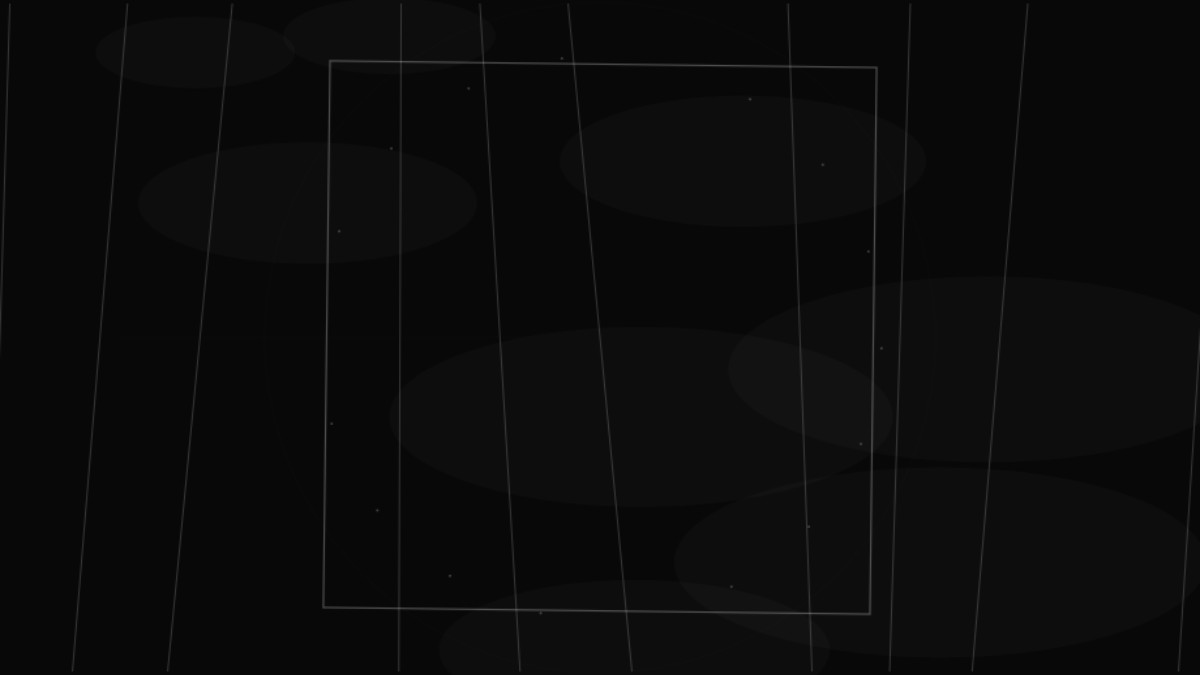
Time Misalignment is a generative p5.js study in which different areas of the same image exist at different temporal speeds. Some sections move slowly, others advance faster, while individual zones can briefly freeze or fall out of sync. The work treats time as something spatial rather than uniform. A single composition is divided into parallel…
Taipei Fine Arts Museum’s online project Vanishing Acts runs through the end of 2026 as part of TFAM Net.Open. The title immediately raises an interesting problem for digital culture: what does disappearance mean when technology is supposed to make copying effortless? Digital material appears infinitely reproducible, yet it can be surprisingly fragile. Servers close, software…
Invisible Attractor is a generative p5.js study built around an object that is never shown directly. Its presence can only be inferred through the movement of particles that bend, orbit and reorganise around an unseen force. The work explores how something invisible can still shape a visual field. Instead of drawing the central form, the…
Unstable Typography is a generative p5.js study in which language gradually loses its visual stability. Letters begin in a controlled typographic arrangement before drifting, stretching, rotating, disappearing and accumulating small permanent errors. The work treats typography as material rather than fixed information. Meaning remains present, but the physical structure of the words becomes increasingly unreliable…
Sound Without Sound is a generative p5.js study built around rhythm without audio. The visual composition uses internal pulses, repeating patterns, syncopation and silence to create the impression of music without listening to a microphone or playing a soundtrack. The work treats rhythm as a visual structure rather than a response to sound. Different layers…
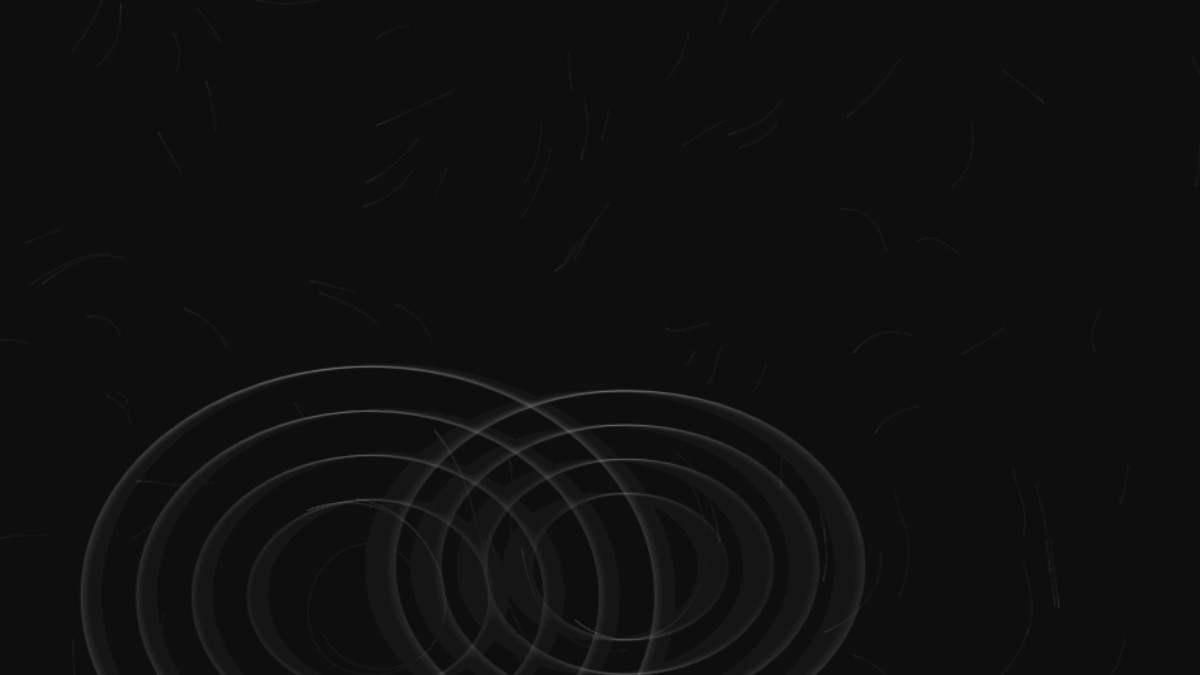
Synthetic Weather is a generative p5.js study of an invented climate system. Wind, pressure, turbulence and precipitation emerge from internal rules rather than real meteorological data. The work treats weather as a visual force rather than information. Invisible pressure systems move through the field, redirecting particles and creating temporary atmospheric structures that continuously form and…