Jazz developed in African American communities in the United States around the beginning of the twentieth century. Improvisation, swing, syncopation, individual expression and continual stylistic reinvention are central to traditions ranging from New Orleans jazz and bebop to free and electronic jazz.
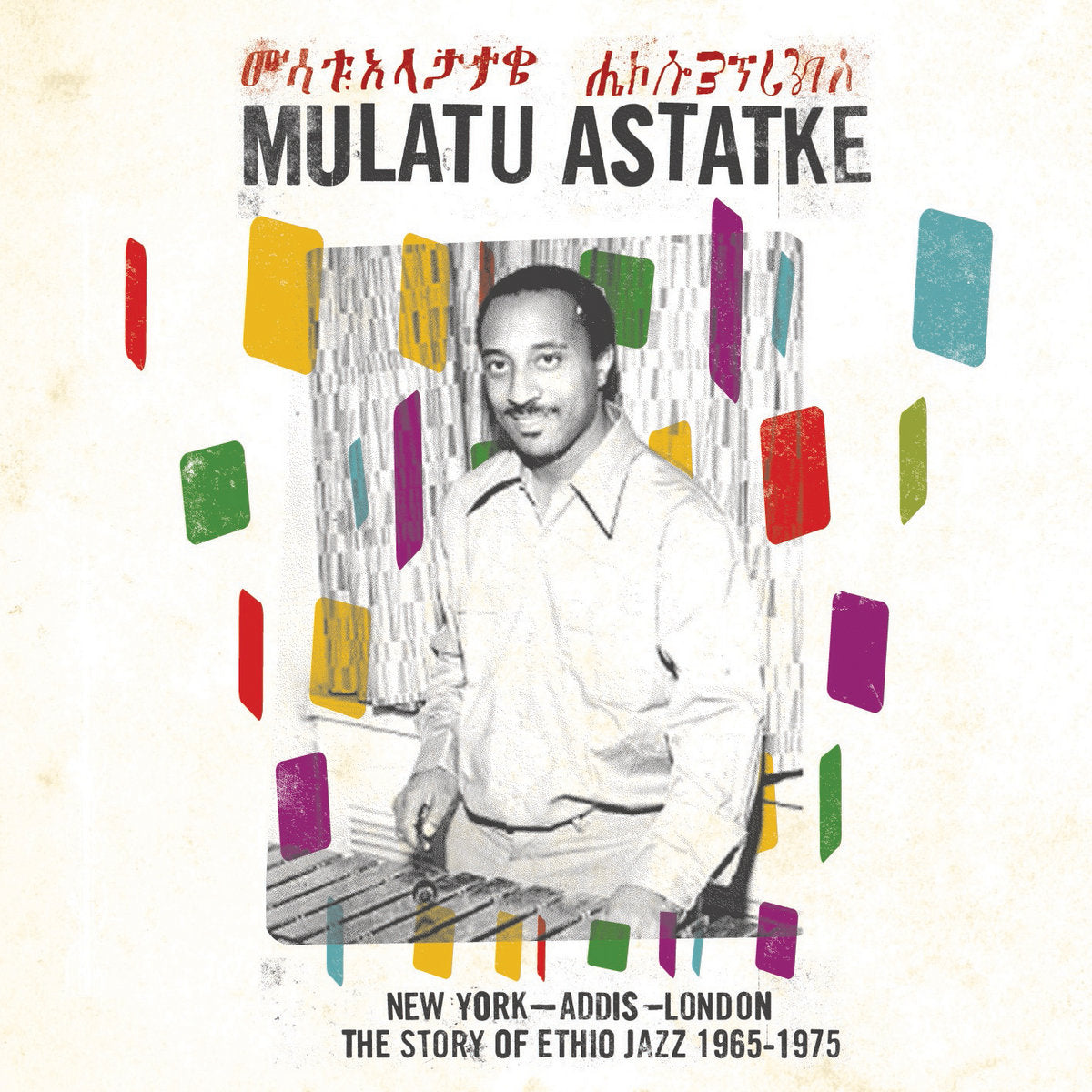
Mulatu Astatke’s Ethio-jazz was not created by simply placing Ethiopian melodies over American jazz. His musical path moved through Ethiopia, Wales, London and New York before returning to Addis Ababa. Strut’s retrospective of his 1965–1975 recordings describes how he gradually searched for a balance in which Ethiopian modes could retain their identity inside arrangements informed…
Music is a universal language that spans across cultures and time, encompassing ancient rhythms and complex symphonies. This comprehensive exploration delves into the evolution of music through the ages, highlighting the emotional impact, therapeutic qualities, and the structure of music. It also delves into various music genres, the impact of technology, and the future trends, emphasizing the cultural significance of music, its role in education, in film and media, as well as its enduring power in the digital age and the live experience, signaling the timelessness and future possibilities of this art form.
This content traces the evolution of music from the Classical era to modern times, highlighting key genres and influential artists. It discusses how the Classical period, characterized by composers like Mozart and Beethoven, laid foundational structures in music. The emergence of jazz in New Orleans, led by icons such as Louis Armstrong, showcased improvisation and cultural fusion. Rock ‘n’ roll, spearheaded by figures like Elvis Presley, transformed youth culture in the 1950s. The British Invasion further innovated music, paving the way for disco, funk, soul, and later digital transformations in the 2000s and 2010s.