Skip to content

Laurie Anderson

Art Stream
Laurie Anderson

The Bow Remembers a Voice

Laurie Anderson’s Tape Bow Violin replaces the bow’s horsehair with prerecorded magnetic tape. A playback head mounted on the instrument reads the tape as the bow passes across it. Instead of setting a string into vibration, the gesture retrieves fragments of stored sound.

The physical action resembles violin playing, but its musical logic is closer to scrubbing through audio. Direction, speed and pressure affect how the recorded material is heard. A spoken voice can become a repeated syllable, a stretched texture or a brief burst that no longer behaves like language. The bow is both a performance tool and a piece of memory being moved by hand.

Digital controllers can imitate this relationship with greater accuracy, yet the tape version keeps the mechanism legible. The audience can see that sound is attached to a strip, that the strip must travel across a head, and that a phrase has a physical length. The instrument turns playback into a visible gesture. It also makes recording less final: a fixed voice can be interrupted, reversed and phrased again every time the bow moves.

https://www.modernamuseet.se/en/stockholm/exhibitions/laurie-anderson/

#LaurieAnderson #TapeBowViolin #MagneticTape #PerformanceArt
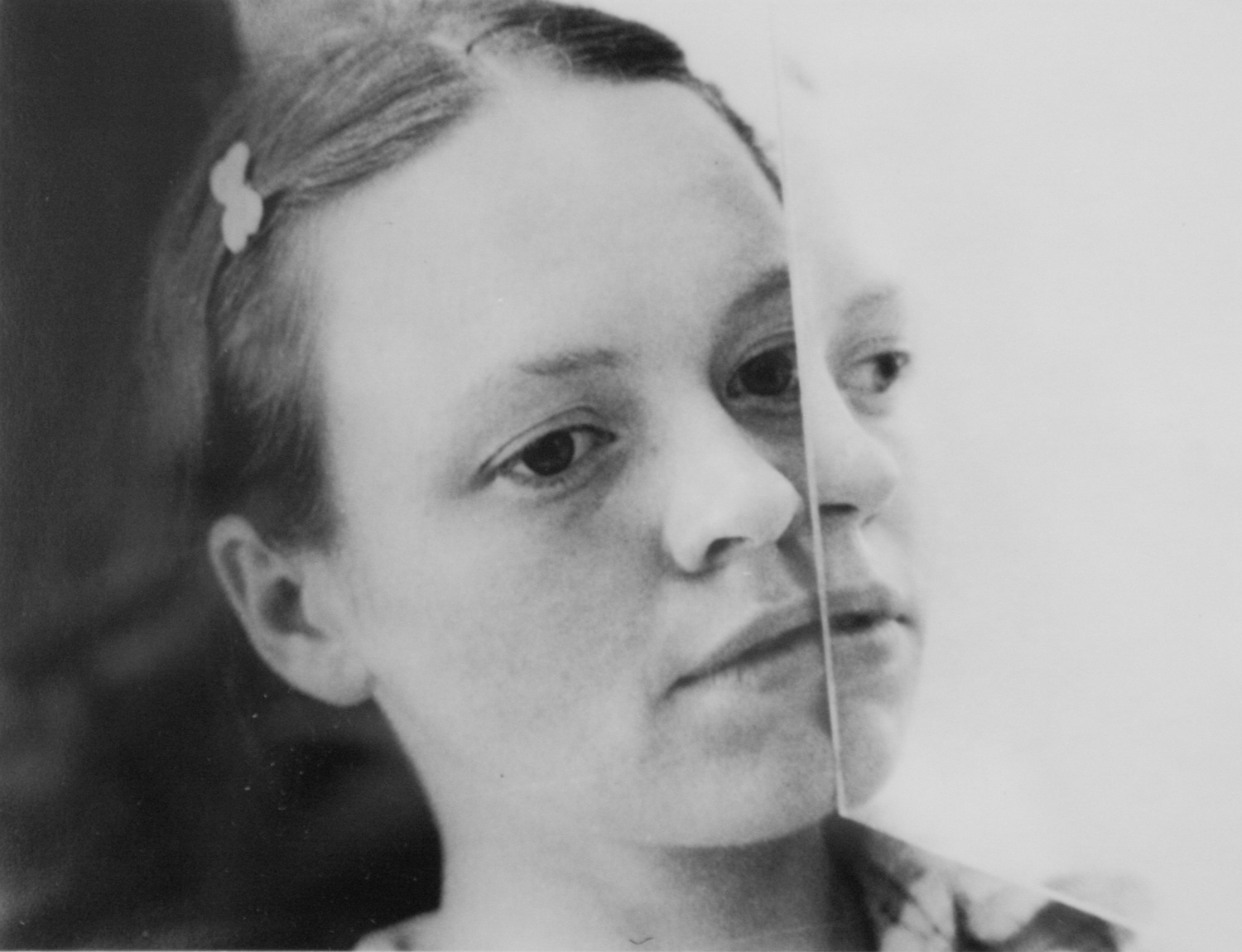
The Bow Remembers a Voice The Bow Remembers a Voice Moderna Museet Laurie Anderson | Moderna Museet i Stockholm Laurie Anderson is a legendary figure in American avant-garde art, experimental music and independent culture. In this exhibition, Laurie Anderson explores the potential for presenting a narrative in the museum space. Here, totally new productions meet earlier works, in a contemplation on time and being, silence and noise.
Facebook LinkedIn WhatsApp Threads
More sharing options
X Reddit Pinterest Telegram Email
Experimental Music

Laurie Anderson Built Her Own Duet Partner

Laurie Anderson’s Self-Playing Violin from 1974 contained a speaker and amplifier inside the instrument. A prerecorded violin part played from the body while Anderson could perform another part live on the strings.

One violin effectively contained two performers.

That idea seems simple now because looping is everywhere. A pedal can record a phrase in seconds and immediately turn one musician into an ensemble.

Anderson’s instrument feels different because the playback system is physically embedded inside the object that originally produced the sound.

The violin appears to remember itself.

She later used the instrument in Duets on Ice, a performance in which she stood on ice skates frozen into blocks of ice and continued performing until the ice melted enough that she lost her balance.

Time was therefore not only musical.

It was physical.

The concert duration was determined by temperature.

I like how several systems meet here: recorded loop, live performance, instrument design, body weight and melting ice.

None is simply decoration.

The technology creates a duet.

The ice creates the clock.

The performer exists between both.

It is the kind of work that makes the boundary between music and visual art feel completely unnecessary.

https://www.nonesuch.com/artists/laurie-anderson

#LaurieAnderson #PerformanceArt #ExperimentalMusic #InventedInstruments

Laurie Anderson Built Her Own Duet Partner Laurie Anderson Built Her Own Duet Partner Nonesuch Records Official Website Nonesuch Records Laurie Anderson Laurie Anderson’s Self-Playing Violin from 1974 contained a speaker and amplifier inside the instrument. A prerecorded violin part played from the body whi…
Facebook LinkedIn WhatsApp Threads
More sharing options
X Reddit Pinterest Telegram Email