| |

3D 立方体 x Orphic 覆盖 — 在 p5.js 中的创意编码

本文介绍了我在 p5.js 中的一个创意编码研究,我在同一画面里结合了两种视觉语言:一套严格的三维结构——嵌套的线框立方体,以及受 Sonia Delaunay 和 Orphism 启发的平面二维图层。我专为 VJ 投影和环境音乐演出而设计了这个结果。


同一画面中的两套系统

我的基础由四个相互嵌套的线框立方体构成。首先我让每个立方体以略有不同的速度旋转,营造出一种平静的机械节奏。除此之外,我在边缘上放置了沿边轨道运行和滑动的小点——它们遵循几何结构,但为画面注入了生命的脉动,像能量在结构中流动。

在此之上我加入了一个 Orphic 叠层:同心圆环和弧线相互重叠、相互切割,形成一种运动的拼贴。我有意保持这一图层的扁平与图形化——与立方体的深度形成对比。这两套系统共同制造出一种安静的视觉张力,适合长时间投影。


色彩即运动

我选择了与 Delaunay 的“同时对比”相呼应的配色:红、黄、蓝、橙、绿、白和黑。在这里色彩不是装饰——它主导着被感知到的运动。因此,即便动画保持细微,画面也会持续变化,因为缓慢的旋转与强烈的对比不断生成新的组合。

一个关键细节:我把白色当作空间而不是颜料。我将本应为白色的部分保持透明,让黑色背景透过。因此这些环看起来像是从黑暗中被切割出来的——更显轻盈与建筑感。


为什么它适合环境音乐

环境音乐不需要快节奏的剪辑。相反,它需要能够“呼吸”的视觉。这就是我让动画保持缓慢且分层的原因。立方体提供结构,圆圈与弧线带来节奏与色彩运动,环绕的小点则形成稳定的脉动。正因为如此,它们共同构建出适合投影的安静张力——你可以长时间观看,仍能发现新的组合。

我将这项创意编码研究直接关联到我在 Resolume 中的现场 VJ 投影作品


技术说明 — p5.js WEBGL

我在 p5.js 的 WEBGL 模式下以 1920×1080 构建了该视觉效果。我用简单形状和重复图案构成所有内容:将圆环视为分段几何体、将弧线作为切片图层、将立方体作为线框。我从零编写了完整代码,没有使用着色器或外部依赖——只有构图与运动。

最后,如果你想了解更多这项作品,请访问 创意编码概览FDR-Sound 音乐页面

Similar Posts

  • |

    Michaël Borremans

    A Comprehensive Exploration Introduction Michaël Borremans is a contemporary Belgian artist known for his evocative and unsettling paintings, drawings, and films. Born in 1963 in Geraardsbergen, Belgium, Borremans has carved out a unique space in the art world with his distinctive style that combines technical mastery with enigmatic subject matter. This essay delves into Borremans’…

  • |

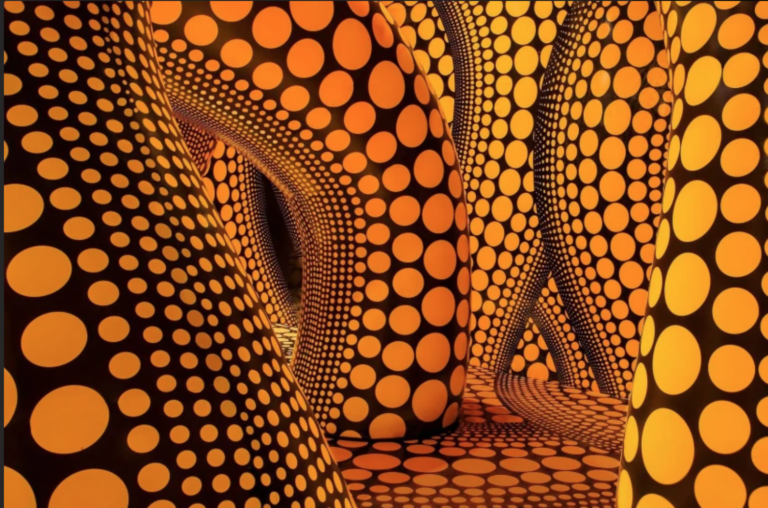
    Up, Up and Away with Yayoi Kusama: You, Me and the Balloons at Factory International

    As summer unfolds, Factory International in Manchester prepares to welcome one of the most beloved artists of our era. Celebrated Japanese artist, Yayoi Kusama, is set to unveil her most expansive immersive environment to date. Aptly titled “Yayoi Kusama – You, Me and the Balloons”, this exhibition is not just a display of Kusama’s signature…

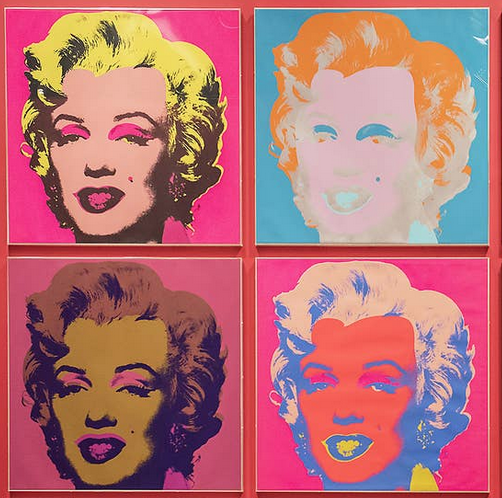
  • Andy Warhol

    The Prince of Pop Art Andrew Warhola, known to the world as Andy Warhol, was an American artist, filmmaker, and leading figure of the Pop Art movement that emerged in the 1950s and 1960s. Born in Pittsburgh, Pennsylvania in 1928, Warhol’s humble beginnings were a far cry from the glamour and fame he would later…

  • | |

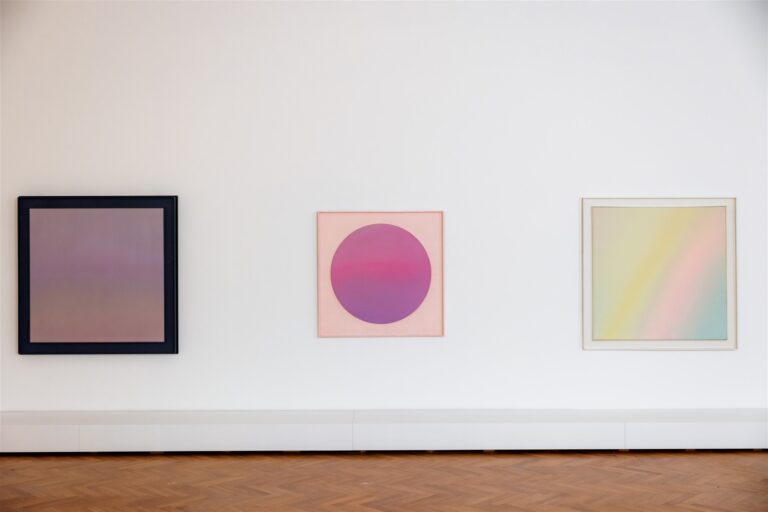
    Jef Verheyen

    Jef Verheyen (1932-1984) emerged as a vital figure in post-war European abstract art, focusing on the interplay of light and space. His artistic philosophy emphasized light as a medium for transcending materiality, creating a dialogue with viewers. Influenced by the ZERO movement, his collaborations with artists like Lucio Fontana enriched his exploration of immateriality. Verheyen’s significant works, such as “Le Vide” and “La Durée Peinte,” showcased his unique technique and contributions to abstract art. His enduring legacy inspires contemporary artists to engage with light, color, and spatial dynamics.

  • Abstract Art

    Abstract art revolutionized painting in the early 20th century, prioritizing shapes, colors, and textures over realistic representation. Pioneered by artists like Malevich, Mondrian, and Pollock, it explores emotion and inner experience. Abstract art continues to influence contemporary movements while encouraging personal interpretation and emotional connection in viewers.

  • |

    Arne Quinze

    Arne Quinze, a Belgian artist, is renowned for his vibrant large-scale installations that serve as catalysts for social interaction in urban spaces. His artistic journey emphasizes the transformative power of public art, encouraging communities to engage with their environments. Notable works such as “The Sequence,” “Uchronia,” and “Rock Strangers” exemplify his philosophy that art can bridge cultural gaps and stimulate dialogue. Through innovative materials and configurations, Quinze challenges traditional perceptions of art, advocating for its integral role in urban renewal and community discourse, thereby shaping contemporary public art’s future.

Leave a Reply

Your email address will not be published. Required fields are marked *