|

Exploring Artists and Their Journey with Digital Mediums

Accessibility and Inclusivity

One of the most significant impacts of digital art is its accessibility. Unlike traditional art forms that often require expensive materials and studio space, digital art can be created with just a computer or tablet. This has lowered the barriers to entry for aspiring artists, allowing more people to express themselves creatively.

Moreover, digital art has made it easier for artists from marginalized communities to share their perspectives and stories. The internet provides a platform for voices that might otherwise be overlooked, contributing to a more diverse and inclusive art world.

The Commercialization of Digital Art

The rise of digital art has also led to new opportunities for commercialization. From freelance work to selling prints and digital downloads, artists can monetize their work in various ways. The advent of NFTs (Non-Fungible Tokens) has further revolutionized the digital art market, allowing artists to sell their work as unique digital assets. This has opened up new revenue streams for artists, particularly those who work exclusively in digital mediums.

The Role of Digital Art in Activism

Digital art has proven to be a powerful tool for activism. Artists around the world use their digital platforms to raise awareness about social and political issues, often creating compelling visual narratives that resonate with a broad audience. Whether it’s addressing climate change, advocating for human rights, or challenging societal norms, digital art has become an essential part of contemporary activism.

The Intersection of Digital Art and Technology

The relationship between digital art and technology is symbiotic. As technology advances, so too does the potential for digital art. Virtual reality (VR) and augmented reality (AR) are two areas where this intersection is particularly evident. Artists are beginning to explore these technologies to create immersive experiences that push the boundaries of traditional art forms. These innovations are not only changing how art is created but also how it is experienced, offering viewers new ways to engage with artistic content.

Similar Posts

  • John Stezaker

    John Stezaker is a significant contemporary artist renowned for his innovative collages that merge found photographs into thought-provoking art. His practice delves into themes such as memory, identity, and representation, challenging viewers to reconsider the nature of images. Techniques like manual cutting and pasting allow for a tactile engagement, evoking nostalgia while disrupting familiar narratives. Stezaker’s notable series, including “Film Portraits” and “Marriage,” explore the fluidity of identity through visual dissonance. His exhibitions at prestigious venues have solidified his impact on the contemporary art scene and inspired a renewed appreciation for collage as a complex art form.

  • Art Deco – An Elegant Fusion of Style and Functionality

    Art Deco, a design movement from the 1920s and 1930s, is known for its bold geometric patterns, rich colors, and luxurious materials. Originating in Paris, it spread rapidly, influencing architecture, furniture, fashion, and graphic design. Key characteristics include geometric shapes and vibrant hues, drawing inspiration from ancient civilizations. Despite its decline during the Great Depression and WWII, Art Deco saw a resurgence, remaining a significant and iconic style in design history.

  • | |

    Jan Fabre

    Jan Fabre is a towering figure in the world of contemporary art and theater, renowned for his boundless creativity and ability to blur the lines between various artistic disciplines. Born in 1958 in Antwerp, Belgium, Fabre has established himself as a multidisciplinary artist, playwright, stage director, and designer whose work consistently challenges and innovates the…

  • Experimental Music

    Experimental music is a genre that has continuously challenged and expanded music’s boundaries since its early influences in Medieval and Renaissance periods. It bloomed in the 20th century through movements like Musique Concrète and Free Jazz, driven by innovators such as John Coltrane and Ornette Coleman. The integration of disparate genres led to rock and electronic music crossovers exemplified by The Velvet Underground and David Bowie. Later, ambient and industrial movements further shaped experimental music’s landscape, with artists like Brian Eno and Throbbing Gristle pushing sonic boundaries. Today, experimental music continues to evolve in diverse forms, reflecting an ongoing exploration of sound and creativity.

  • | |

    The Louvre

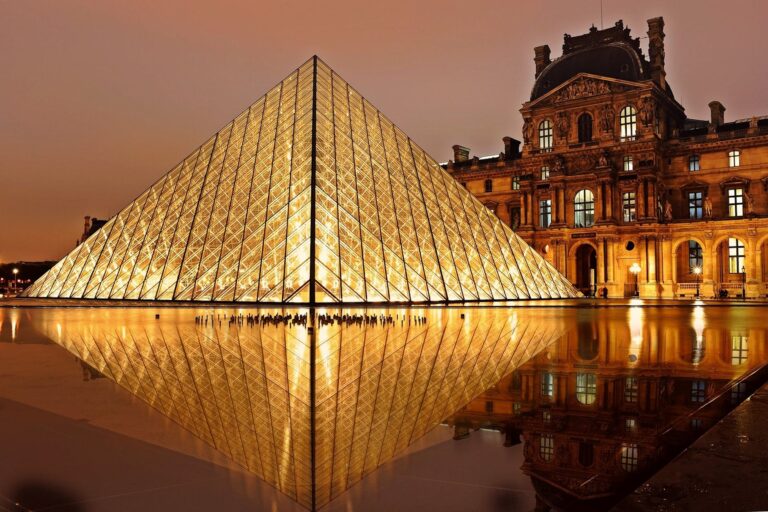
    The Louvre, nestled in the heart of Paris, stands as a beacon of culture, history, and art. It embodies a chronicle of human civilization and houses the world’s most revered artworks. From its origins as a royal fortress to a public institution, the Louvre’s architectural narrative chronicles the evolution of French art. Its vast collection, organized into eight departments, spans over 9,000 years of history. The Louvre’s global influence encompasses the Louvre Abu Dhabi, international exhibitions, and educational programs, exemplifying its commitment to cultural diplomacy and global outreach. Through digital initiatives, the museum promotes accessibility and inclusivity, making art and cultural heritage globally attainable.

Leave a Reply

Your email address will not be published. Required fields are marked *