| 

Exploring Artists and Their Journey with Digital Mediums

Accessibility and Inclusivity

One of the most significant impacts of digital art is its accessibility. Unlike traditional art forms that often require expensive materials and studio space, digital art can be created with just a computer or tablet. This has lowered the barriers to entry for aspiring artists, allowing more people to express themselves creatively.

Moreover, digital art has made it easier for artists from marginalized communities to share their perspectives and stories. The internet provides a platform for voices that might otherwise be overlooked, contributing to a more diverse and inclusive art world.

The Commercialization of Digital Art

The rise of digital art has also led to new opportunities for commercialization. From freelance work to selling prints and digital downloads, artists can monetize their work in various ways. The advent of NFTs (Non-Fungible Tokens) has further revolutionized the digital art market, allowing artists to sell their work as unique digital assets. This has opened up new revenue streams for artists, particularly those who work exclusively in digital mediums.

The Role of Digital Art in Activism

Digital art has proven to be a powerful tool for activism. Artists around the world use their digital platforms to raise awareness about social and political issues, often creating compelling visual narratives that resonate with a broad audience. Whether it’s addressing climate change, advocating for human rights, or challenging societal norms, digital art has become an essential part of contemporary activism.

The Intersection of Digital Art and Technology

The relationship between digital art and technology is symbiotic. As technology advances, so too does the potential for digital art. Virtual reality (VR) and augmented reality (AR) are two areas where this intersection is particularly evident. Artists are beginning to explore these technologies to create immersive experiences that push the boundaries of traditional art forms. These innovations are not only changing how art is created but also how it is experienced, offering viewers new ways to engage with artistic content.

Articoli simili

  •  | 

    Taylor Swift

    Taylor Swift’s career is a remarkable testimony to her resilience and creativity as she transitioned from a country artist to a pop icon. Her journey began with her self-titled debut album, which revolutionized country music, showcasing her unique storytelling. Albums like “Red” and “1989” cemented her status in pop, blending genres while retaining authenticity. Swift not only transformed her music but also adeptly engaged her fan base through a robust digital presence and empowering philanthropy. Her advocacy for artists’ rights and social justice reinforces her legacy, making her a pivotal figure in contemporary music.

  • 10 Incredible Ways to Boost Your Creativity and Productivity

    Are you struggling to find inspiration and enhance your productivity? Look no further! In this blog post, we’ll share 10 amazing tips that can help you unlock your creative potential and improve your work efficiency. By incorporating these habits into your daily routine, you’ll be well on your way to success. Set SMART goals: Begin…

  •  |  | 

    The Louvre

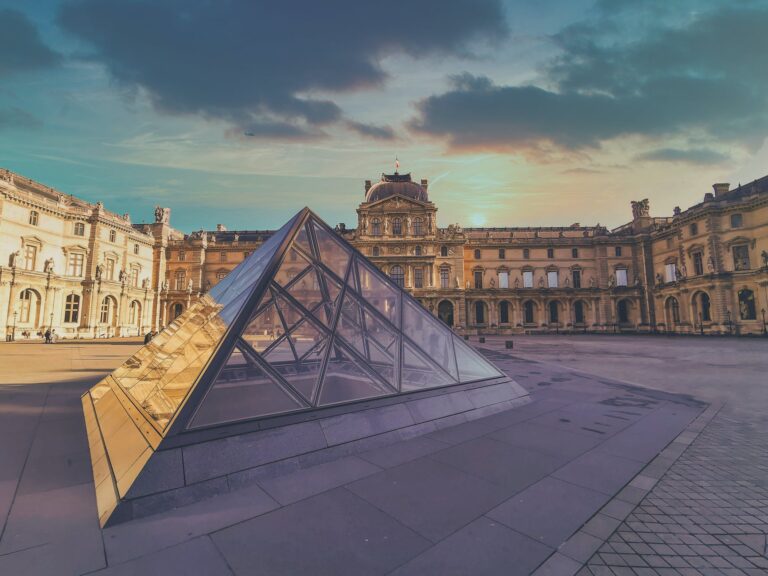
    The Louvre, nestled in the heart of Paris, stands as a beacon of culture, history, and art. It embodies a chronicle of human civilization and houses the world’s most revered artworks. From its origins as a royal fortress to a public institution, the Louvre’s architectural narrative chronicles the evolution of French art. Its vast collection, organized into eight departments, spans over 9,000 years of history. The Louvre’s global influence encompasses the Louvre Abu Dhabi, international exhibitions, and educational programs, exemplifying its commitment to cultural diplomacy and global outreach. Through digital initiatives, the museum promotes accessibility and inclusivity, making art and cultural heritage globally attainable.

  •  | 

    Surfing the Digital Wave

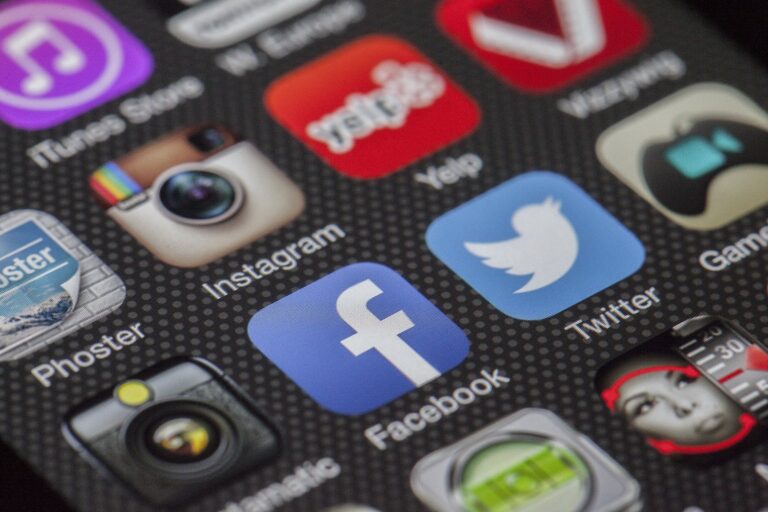
    The digital landscape offers unprecedented access to information but also fosters misinformation. Critical thinking and media literacy are essential for navigating this complexity. By recognizing biases, engaging in self-reflection, and employing practical strategies, we become informed digital citizens. Awareness and skepticism empower us to discern truth from falsehood in the vast online world.

Lascia un commento

Il tuo indirizzo email non sarà pubblicato. I campi obbligatori sono contrassegnati *