| | |

After Impressionism: Inventing Modern Art

At The National gallery, Until 13 August 2023

Paul Cezanne, Mont Sainte-Victoire, 1902-6; Gift of Helen Tyson Madeira, 1977 © Philadelphia Museum of Art

The National Gallery is proud to present the exhibition “After Impressionism: Inventing Modern Art”, a stunning collection of works that explores the transition from Impressionism to Modernism. This exhibition features masterpieces from the late 19th and early 20th centuries, highlighting the key artistic movements that defined this period of artistic innovation.

Visitors to the exhibition will be treated to a diverse range of works, showcasing the evolution of modern art. From the vibrant colors and light of the Impressionist movement, to the bold experimentation of the Fauvists and the expressive abstraction of the Expressionists, this exhibition offers a comprehensive overview of the major movements that paved the way for modern art.

Some of the most renowned artists of the era are represented in this exhibition, including Pablo Picasso, Henri Matisse, and Wassily Kandinsky. Visitors will have the opportunity to view iconic works such as Matisse’s “The Dance” and Picasso’s “Les Demoiselles d’Avignon”, which are widely regarded as some of the most important works in the history of modern art.

The exhibition is divided into several thematic sections, allowing visitors to explore the different artistic movements and styles that emerged during this period. Visitors can immerse themselves in the luminous landscapes of the Impressionists, experience the vibrant colors and bold brushstrokes of the Fauvists, and marvel at the abstract and expressive works of the Expressionists.

This exhibition is a must-see for anyone interested in the history of modern art. It provides a unique opportunity to explore the key artistic movements that shaped the development of modern art, and to view some of the most important works of the era. Whether you are an art aficionado or a casual visitor, “After Impressionism: Inventing Modern Art” is sure to leave a lasting impression.

Georges Seurat, ‘The Channel of Gravelines, Grand Fort-Philippe’, 1890 © National Gallery, London

Website: The National Gallery

Similar Posts

  • |

    Arne Quinze

    Arne Quinze, a Belgian artist, is renowned for his vibrant large-scale installations that serve as catalysts for social interaction in urban spaces. His artistic journey emphasizes the transformative power of public art, encouraging communities to engage with their environments. Notable works such as “The Sequence,” “Uchronia,” and “Rock Strangers” exemplify his philosophy that art can bridge cultural gaps and stimulate dialogue. Through innovative materials and configurations, Quinze challenges traditional perceptions of art, advocating for its integral role in urban renewal and community discourse, thereby shaping contemporary public art’s future.

  • Charlotte Posenenske

    Charlotte Posenenske (1930-1985) was a pivotal German artist whose innovative approach in the 1960s transformed minimalism and conceptual art through the use of industrial materials and participatory practices. Her key works, notably the “Series D” square tubes, emphasized accessibility and the collective experience of art, challenging traditional boundaries between artist and audience. In 1968, she ceased art production, disillusioned with the market, shifting focus to sociology. Posenenske’s legacy endures in contemporary discussions of art’s social role, urging a democratized and socially engaged artistic practice that resonates with current societal issues.

  • | | |

    Rubens – The Master of Baroque and the Essence of Flemish Art

    Peter Paul Rubens (1577-1640) was a pivotal Flemish painter who defined the Baroque era with his dynamic compositions and rich colors. His early life in a cultured family enriched his artistic and diplomatic pursuits. Training under esteemed masters like Otto van Veen shaped his style, while his Italian journey in 1600 integrated innovative techniques from the Renaissance. Rubens’ mature career featured significant commissions from royalty, reflected in masterpieces like The Raising of the Cross. His legacy endures, influencing generations of artists and art movements.

  • Abstract Art

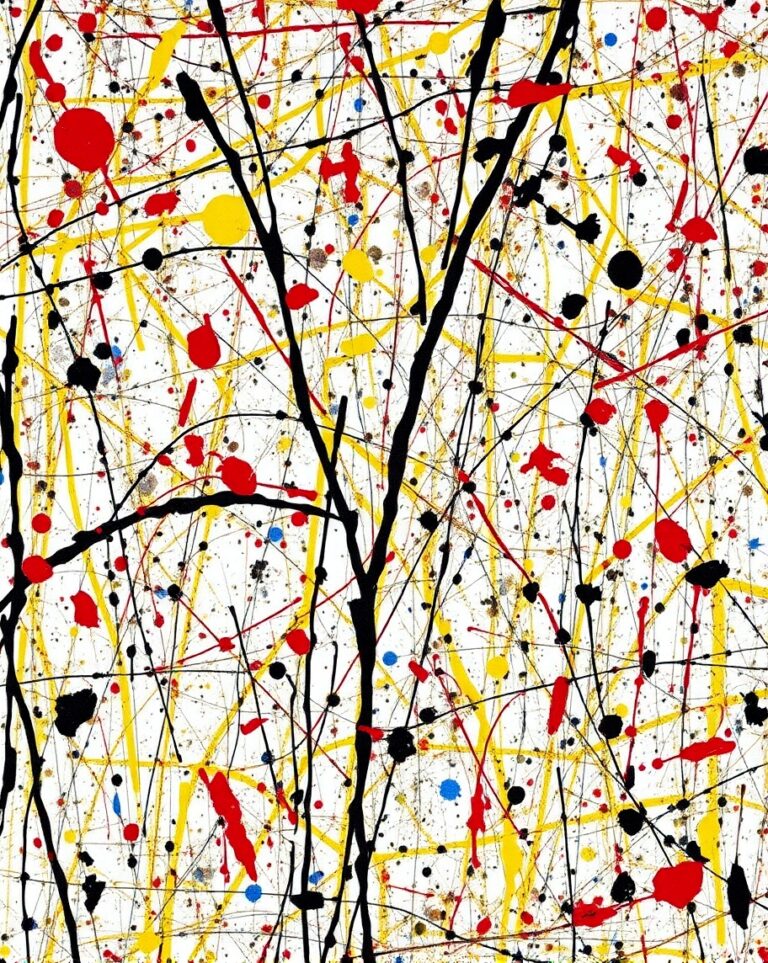
    Abstract art revolutionized painting in the early 20th century, prioritizing shapes, colors, and textures over realistic representation. Pioneered by artists like Malevich, Mondrian, and Pollock, it explores emotion and inner experience. Abstract art continues to influence contemporary movements while encouraging personal interpretation and emotional connection in viewers.

  • |

    The Evolution of Music

    This content traces the evolution of music from the Classical era to modern times, highlighting key genres and influential artists. It discusses how the Classical period, characterized by composers like Mozart and Beethoven, laid foundational structures in music. The emergence of jazz in New Orleans, led by icons such as Louis Armstrong, showcased improvisation and cultural fusion. Rock ‘n’ roll, spearheaded by figures like Elvis Presley, transformed youth culture in the 1950s. The British Invasion further innovated music, paving the way for disco, funk, soul, and later digital transformations in the 2000s and 2010s.

  • | |

    Peter Doig – A Journey Through Transition, Memory, and Longing

    A Journey Through Transition and Longing You’d Be Pretty Miserable Too – Peter Doig’s Journey from Trinidad to North London The tropical warmth of Trinidad is a stark contrast to the gloomy atmosphere of North London, and it is this shift that has permeated the works of renowned artist Peter Doig. Born in Scotland and…

Leave a Reply

Your email address will not be published. Required fields are marked *