| | |

After Impressionism: Inventing Modern Art

At The National gallery, Until 13 August 2023

Paul Cezanne, Mont Sainte-Victoire, 1902-6; Gift of Helen Tyson Madeira, 1977 © Philadelphia Museum of Art

The National Gallery is proud to present the exhibition “After Impressionism: Inventing Modern Art”, a stunning collection of works that explores the transition from Impressionism to Modernism. This exhibition features masterpieces from the late 19th and early 20th centuries, highlighting the key artistic movements that defined this period of artistic innovation.

Visitors to the exhibition will be treated to a diverse range of works, showcasing the evolution of modern art. From the vibrant colors and light of the Impressionist movement, to the bold experimentation of the Fauvists and the expressive abstraction of the Expressionists, this exhibition offers a comprehensive overview of the major movements that paved the way for modern art.

Some of the most renowned artists of the era are represented in this exhibition, including Pablo Picasso, Henri Matisse, and Wassily Kandinsky. Visitors will have the opportunity to view iconic works such as Matisse’s “The Dance” and Picasso’s “Les Demoiselles d’Avignon”, which are widely regarded as some of the most important works in the history of modern art.

The exhibition is divided into several thematic sections, allowing visitors to explore the different artistic movements and styles that emerged during this period. Visitors can immerse themselves in the luminous landscapes of the Impressionists, experience the vibrant colors and bold brushstrokes of the Fauvists, and marvel at the abstract and expressive works of the Expressionists.

This exhibition is a must-see for anyone interested in the history of modern art. It provides a unique opportunity to explore the key artistic movements that shaped the development of modern art, and to view some of the most important works of the era. Whether you are an art aficionado or a casual visitor, “After Impressionism: Inventing Modern Art” is sure to leave a lasting impression.

Georges Seurat, ‘The Channel of Gravelines, Grand Fort-Philippe’, 1890 © National Gallery, London

Website: The National Gallery

Publicaciones Similares

  • |

    J.M.W. Turner

    Joseph Mallord William Turner, born in London in 1775, exhibited remarkable talent in art from a young age and entered the Royal Academy at 14. His early works focused on architectural studies and landscapes, showcasing his mastery of light and detail. Over his career, Turner evolved his style, pioneering new techniques that emphasized atmosphere and emotion, significantly influencing Impressionism and modern art. His exceptional works, including “The Fighting Temeraire,” convey the beauty and power of nature. Turner’s legacy remains vital, inspiring generations of artists and shaping the art community.

  • | | |

    Rubens - El maestro del Barroco y la esencia del arte flamenco

    Peter Paul Rubens (1577-1640) was a pivotal Flemish painter who defined the Baroque era with his dynamic compositions and rich colors. His early life in a cultured family enriched his artistic and diplomatic pursuits. Training under esteemed masters like Otto van Veen shaped his style, while his Italian journey in 1600 integrated innovative techniques from the Renaissance. Rubens’ mature career featured significant commissions from royalty, reflected in masterpieces like The Raising of the Cross. His legacy endures, influencing generations of artists and art movements.

  • | |

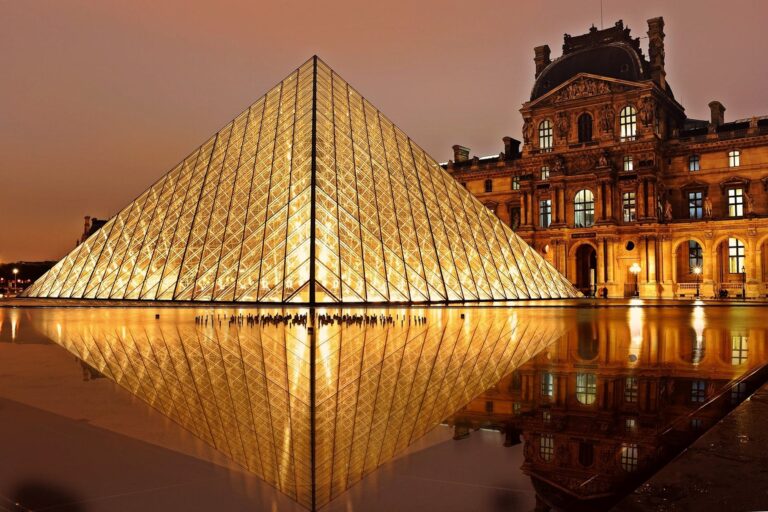
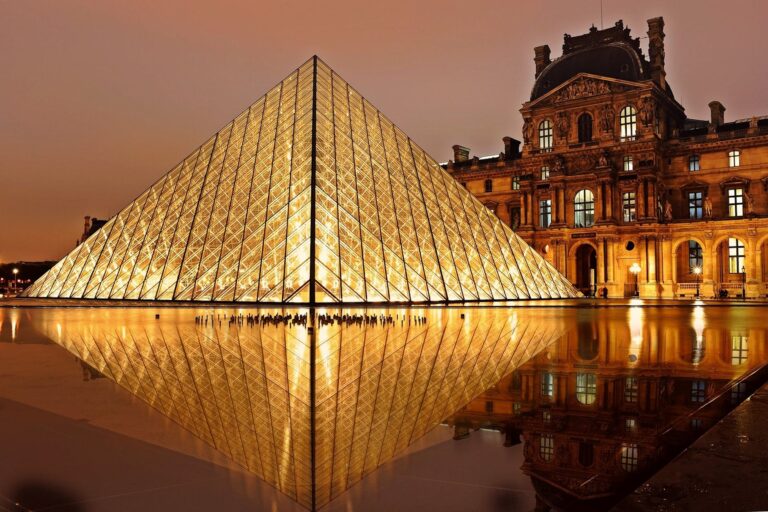
    The Louvre

    The Louvre, nestled in the heart of Paris, stands as a beacon of culture, history, and art. It embodies a chronicle of human civilization and houses the world’s most revered artworks. From its origins as a royal fortress to a public institution, the Louvre’s architectural narrative chronicles the evolution of French art. Its vast collection, organized into eight departments, spans over 9,000 years of history. The Louvre’s global influence encompasses the Louvre Abu Dhabi, international exhibitions, and educational programs, exemplifying its commitment to cultural diplomacy and global outreach. Through digital initiatives, the museum promotes accessibility and inclusivity, making art and cultural heritage globally attainable.

Deja una respuesta

Tu dirección de correo electrónico no será publicada. Los campos obligatorios están marcados con *