| | |

After Impressionism: Inventing Modern Art

At The National gallery, Until 13 August 2023
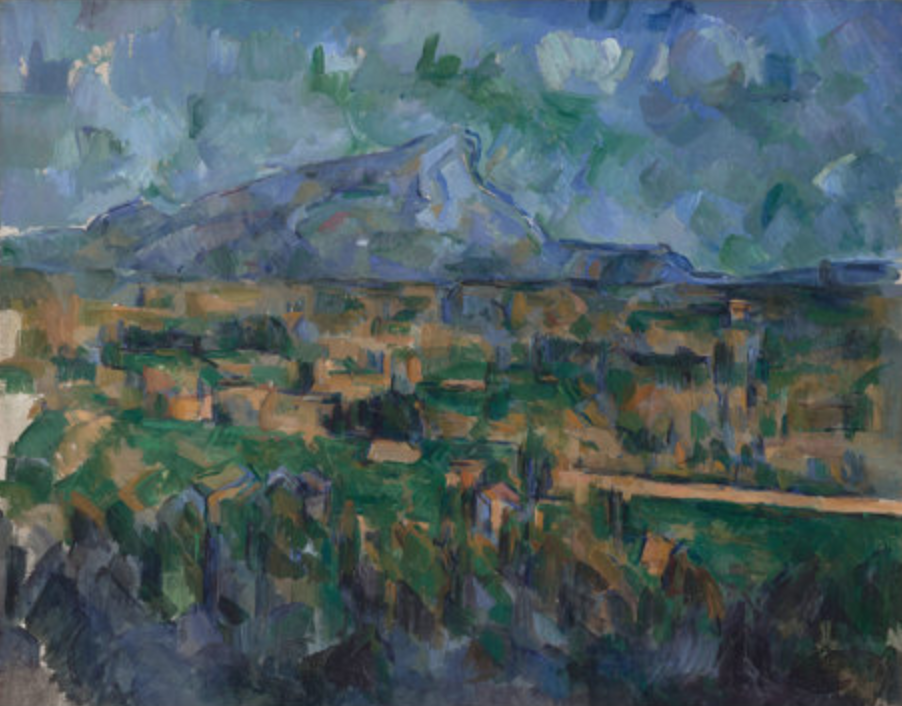
Paul Cezanne, Mont Sainte-Victoire, 1902-6; Gift of Helen Tyson Madeira, 1977 © Philadelphia Museum of Art

The National Gallery is proud to present the exhibition “After Impressionism: Inventing Modern Art”, a stunning collection of works that explores the transition from Impressionism to Modernism. This exhibition features masterpieces from the late 19th and early 20th centuries, highlighting the key artistic movements that defined this period of artistic innovation.

Visitors to the exhibition will be treated to a diverse range of works, showcasing the evolution of modern art. From the vibrant colors and light of the Impressionist movement, to the bold experimentation of the Fauvists and the expressive abstraction of the Expressionists, this exhibition offers a comprehensive overview of the major movements that paved the way for modern art.

Some of the most renowned artists of the era are represented in this exhibition, including Pablo Picasso, Henri Matisse, and Wassily Kandinsky. Visitors will have the opportunity to view iconic works such as Matisse’s “The Dance” and Picasso’s “Les Demoiselles d’Avignon”, which are widely regarded as some of the most important works in the history of modern art.

The exhibition is divided into several thematic sections, allowing visitors to explore the different artistic movements and styles that emerged during this period. Visitors can immerse themselves in the luminous landscapes of the Impressionists, experience the vibrant colors and bold brushstrokes of the Fauvists, and marvel at the abstract and expressive works of the Expressionists.

This exhibition is a must-see for anyone interested in the history of modern art. It provides a unique opportunity to explore the key artistic movements that shaped the development of modern art, and to view some of the most important works of the era. Whether you are an art aficionado or a casual visitor, “After Impressionism: Inventing Modern Art” is sure to leave a lasting impression.
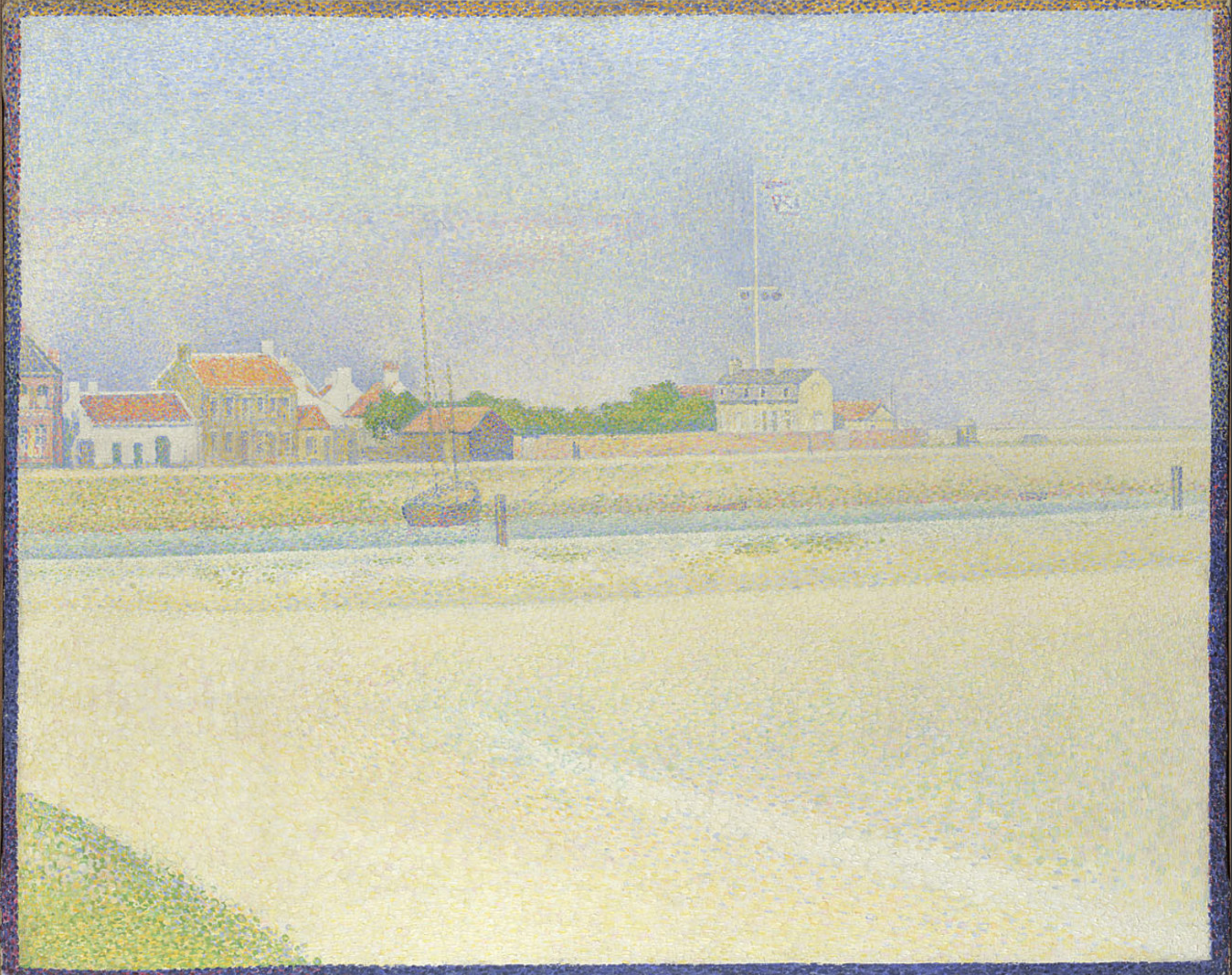
Georges Seurat, ‘The Channel of Gravelines, Grand Fort-Philippe’, 1890 © National Gallery, London

Website: The National Gallery

Similar Posts

  • Realism

    Realism, a mid-19th century painting movement, emerged as a significant shift from idealized art, focusing on daily life and the experiences of ordinary people. Influenced by social upheavals and thinkers like Marx and Darwin, key artists such as Gustave Courbet, Jean-François Millet, and Honoré Daumier portrayed the stark realities of the working class and rural life. Realism’s principles, including accurate representation and social commentary, set the groundwork for later movements like Impressionism and Social Realism, influencing contemporary art today.

  • The Essence of Art

    The exploration of visual and performing arts delves into their definitions, significance, and evolution. It underscores the role of creativity in society, showcasing how different art forms – from painting and photography to music and film – reflect human experiences. Emerging technologies like AI, VR, and NFTs are revolutionizing the artistic landscape, encouraging new forms of expression and societal engagement. The future promises further interactivity and sustainability, redefining the essence of art.

  • Sarah De Vos

    Sarah De Vos, a prominent figure in the contemporary art scene, embodies the rich artistic tradition of Belgium while pushing the boundaries of painting as a medium. Rooted in Belgium, De Vos has cultivated a unique artistic identity that reflects both her heritage and her forward-thinking approach to art. Her educational journey began at Sint-Lucas…

  • | | |

    Traveling Through France – A Comprehensive Guide

    § 1. Introduction 1.1 Brief Overview of France France, known as the French Republic in official circles, is a country whose territory consists of metropolitan France in Western Europe, as well as several overseas regions and territories. It’s one of the oldest countries in the world and its history can be traced back to the…

  • | | |

    Paris

    Paris is divided into 20 unique arrondissements, each with its own history and character, reflecting the city’s evolution from a small settlement to a cultural hub. Each district, from the iconic Louvre in the 1st to the vibrant street art in the 20th, contributes to the city’s rich tapestry. The 5th arrondissement, known as the Latin Quarter, hosts historical sites like the Sorbonne and Panthéon, while the 7th showcases landmarks like the Eiffel Tower. Exploring these diverse neighborhoods reveals a captivating journey through art, history, and local life, making Paris endlessly fascinating.

Leave a Reply

Your email address will not be published. Required fields are marked *