|||

Sounnay Trilogy – Soundscape

Only Sound

Image two coming soon!


Sonia Delaunay Tree Paintings: A Soundscape in Three Parts

Inspired by the Sonia Delaunay tree paintings, I created a soundscape that captures the essence of three of her most iconic works. Each painting carries its own visual language, and translating that into sound meant exploring the movements that shaped her art.

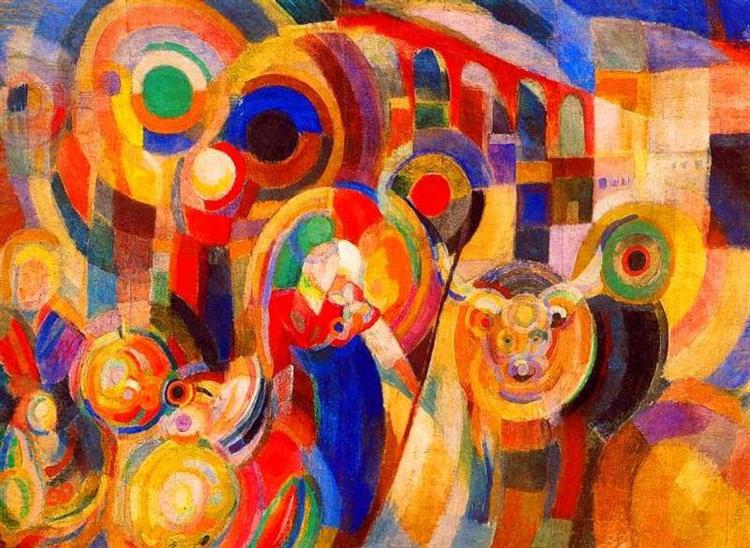
Market at Minho (1915): Where Orphism Meets Sound

The first painting, Market at Minho (1915), is a defining example of Orphism — the style that Sonia and Robert Delaunay helped pioneer. Its bold geometric shapes draw a clear link to Cubism, yet the painting radiates an unconditional dynamism that echoes the energy of the Futurists. At the same time, its vivid, unrestrained use of color reveals a strong Fauvist influence, reminding us that Simultanism was never far from the “wild” expressive palette that defined that movement.

For this soundscape, that layered visual history called for an equally layered sonic response — grounding rhythm beneath surging, colorful waves of sound.


Sonia Delaunay Soundscape: Translating Color and Motion into Sound

Creating a Sonia Delaunay soundscape meant capturing the raw dynamism that defines her work. For the first painting, I blended ambient and electronic sounds to reflect its energy. Bustling market noise, the low hum of engines, and the rhythmic thud of footsteps weave together to create a sense of movement and excitement. Each layer builds on the next, mirroring the visual rhythm of her bold compositions.

Abstract Blue: Light, Color, and Contemplation

The second work presented a different challenge. This unknown abstract painting — featuring blue points and broken lines with sharp corners — offered no clear narrative. Instead, I focused on the interplay of light and color. The resulting soundscape shimmers with ethereal, glowing tones that fade in and out of focus. It invites introspection and encourages the listener to lose themselves in the painting’s intricate visual language.

Propeller (Air Pavilion): Industrial Sound Meets Futurism

For Propeller (Air Pavilion) (1937), I drew inspiration from the Delaunays’ celebration of the transportation industry — and their signature use of vivid color over cold, grey metal. To honor that contrast, I combined industrial and electronic sounds: spinning propellers, revving engines, and synthesized tones blend into a soundscape that feels both futuristic and nostalgic at once.

A Tribute to the Orphic Movement

Taken together, this Sonia Delaunay soundscape project is a tribute to the innovative spirit of Sonia and Robert Delaunay — pioneers of the Orphic movement. By pairing traditional and electronic sounds, I aimed to capture the essence of their paintings and transport the listener into a world of color, motion, and sound.


????

  • |

    J.M.W. Turner

    Joseph Mallord William Turner, born in London in 1775, exhibited remarkable talent in art from a young age and entered the Royal Academy at 14. His early works focused on architectural studies and landscapes, showcasing his mastery of light and detail. Over his career, Turner evolved his style, pioneering new techniques that emphasized atmosphere and emotion, significantly influencing Impressionism and modern art. His exceptional works, including “The Fighting Temeraire,” convey the beauty and power of nature. Turner’s legacy remains vital, inspiring generations of artists and shaping the art community.

  • |

    Creative Coding p5.js — Floating Cloth Physics Simulation

    Floating Cloth in Space — Physics Simulation in p5.js In this creative coding study I explore a simple but fascinating idea: what if a piece of fabric could exist without weight, drifting in space, but still behave like cloth. I built this sketch in p5.js WEBGL as a physics simulation designed for VJ projection and…

  • ||

    “Edmondo Bacci: Energy and Light” – A Luminous Journey Through the Venetian Master’s Universe

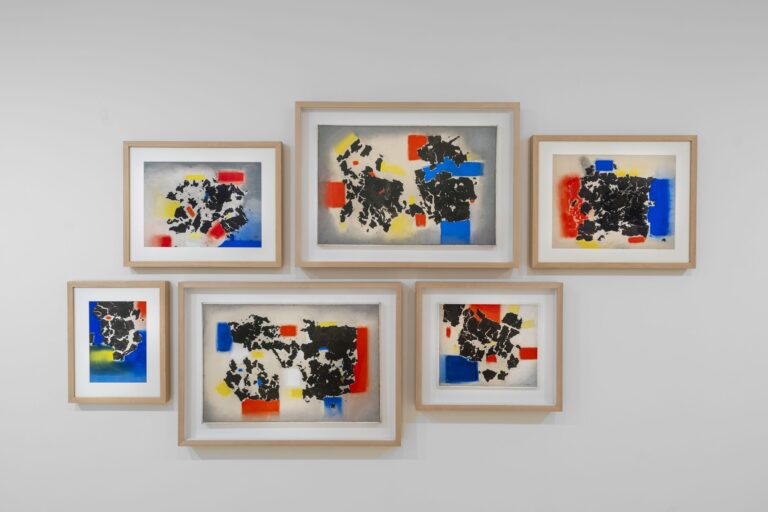
    From April 1 through September 18, 2023, the radiant heart of Venice will beat to a particularly vibrant rhythm, as it plays host to the much-anticipated exhibition, “Edmondo Bacci: Energy and Light” at the Peggy Guggenheim Collection. Curated by Chiara Bertola of the Fondazione Querini Stampalia, this vibrant display encapsulates the artistic fervor of the…

  • |

    The Evolution of Music

    This content traces the evolution of music from the Classical era to modern times, highlighting key genres and influential artists. It discusses how the Classical period, characterized by composers like Mozart and Beethoven, laid foundational structures in music. The emergence of jazz in New Orleans, led by icons such as Louis Armstrong, showcased improvisation and cultural fusion. Rock ‘n’ roll, spearheaded by figures like Elvis Presley, transformed youth culture in the 1950s. The British Invasion further innovated music, paving the way for disco, funk, soul, and later digital transformations in the 2000s and 2010s.

  • Charlotte Posenenske

    Charlotte Posenenske (1930-1985) was a pivotal German artist whose innovative approach in the 1960s transformed minimalism and conceptual art through the use of industrial materials and participatory practices. Her key works, notably the “Series D” square tubes, emphasized accessibility and the collective experience of art, challenging traditional boundaries between artist and audience. In 1968, she ceased art production, disillusioned with the market, shifting focus to sociology. Posenenske’s legacy endures in contemporary discussions of art’s social role, urging a democratized and socially engaged artistic practice that resonates with current societal issues.

????

???????????? ????? * ??