Skip to content

Tape Music

Tape music uses magnetic tape recording as a compositional medium through cutting, looping, reversing, speed changes and layering. It became central to early electronic and experimental music studios in the mid-twentieth century.

One Drop Became an Orchestra

Hugh Le Caine’s Dripsody begins with one recorded drop of water. Made in 1955, the piece was also a practical study of his Special Purpose Tape Recorder, a machine that allowed several tape tracks to be played at different speeds. Le Caine changed the pitch of the drop by changing playback speed, repeated it in…

Read more

The Tapes Almost Disappeared

Else Marie Pade became one of Denmark’s earliest major electronic composers during the 1950s and 1960s. Yet parts of her electronic catalogue came surprisingly close to disappearing. Dacapo Records’ recent reconstruction of her Complete Electronic Works 1955–2012 includes newly digitised pieces, previously unavailable material and works that remained overlooked for decades. The archive survived partly…

Read more

Electronic Music Hidden in an Archive

Bülent Arel was one of the composers working at the Columbia-Princeton Electronic Music Center during the formative years of American electronic music. Columbia University’s archive still contains tapes, work materials and fragments connected with his electronic compositions, including material associated with Stereo Electronic Music No. 1 and other experiments from the 1960s. Arel is exactly…

Read more

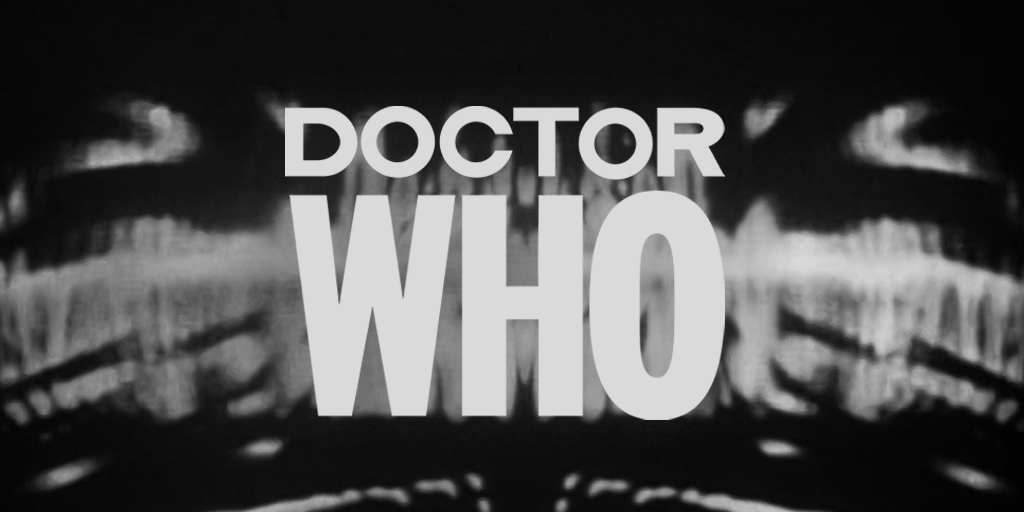
Doctor Who Before the Synthesizer

The original Doctor Who theme sounds so electronic that it is easy to imagine a synthesizer behind it. There wasn’t one. Ron Grainer supplied the composition in 1963, but Delia Derbyshire and Dick Mills at the BBC Radiophonic Workshop had to construct its electronic reality from tape, test oscillators, white noise and recorded sounds. Individual…

Read more