Skip to content

Experimental Film

Experimental Film explores moving images beyond the conventions of narrative cinema. Artists often work with abstraction, unusual editing, found footage, altered film material, repetition and the physical qualities of light, time and projection.

The Film Is Slowly Destroying Itself

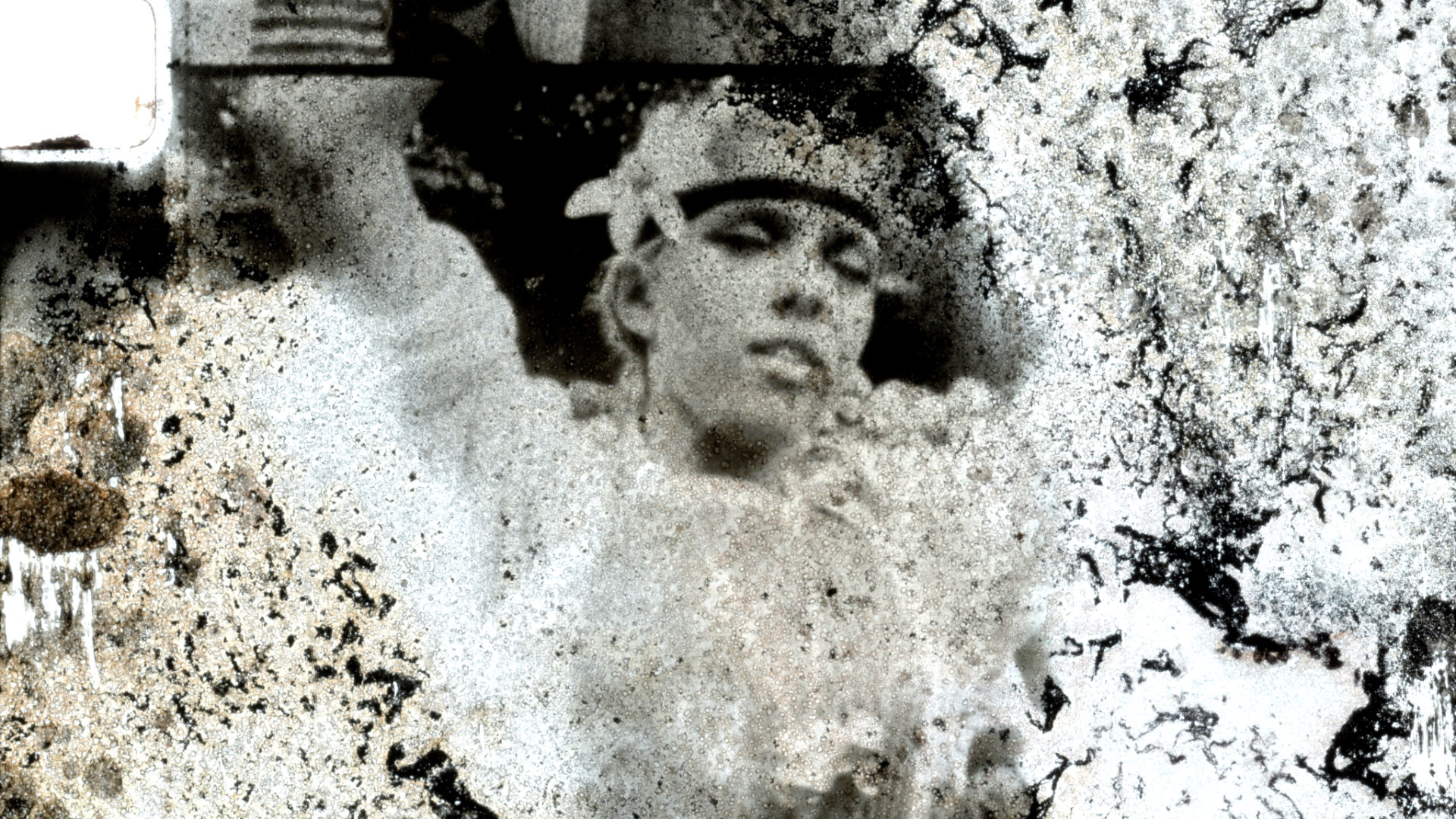
Panu Johansson’s Wherever Street Piece begins with anonymous 16mm footage he rescued from being thrown away in the early 2000s. Nobody appears to know exactly who filmed it. The material seems to have been recorded in several countries between roughly 1965 and 1975. Johansson transferred the footage onto high-contrast Kodak 3378 sound-recording film and then…
Read more

Computer Animation Before Personal Computers

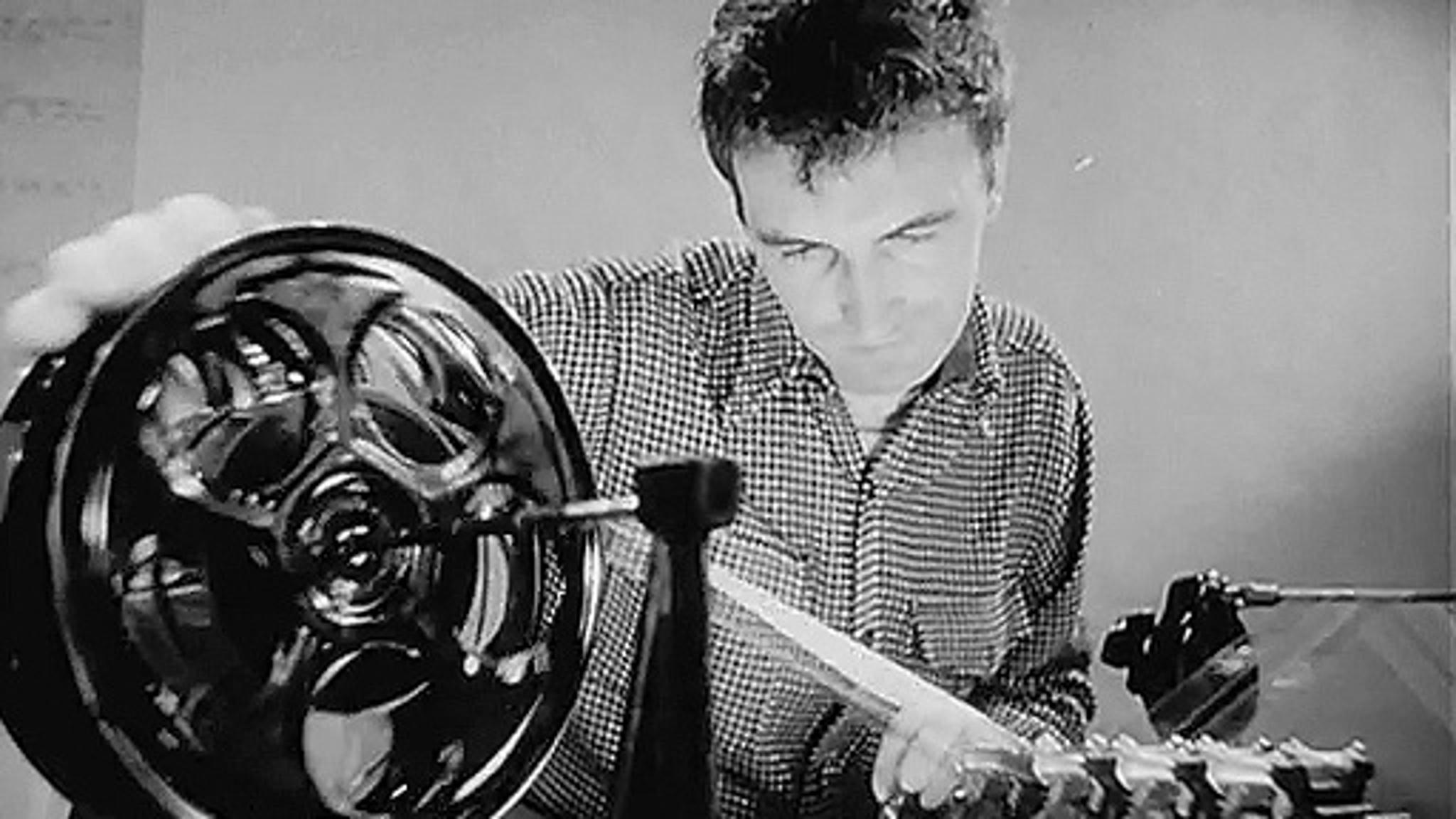
Lillian Schwartz began working at Bell Laboratories in 1969, decades before computer graphics became ordinary creative tools. Her 1970 film Pixillation combines computer-generated black-and-white imagery with microscopic structures, oil, water and optical printing. Colour filters add another layer, while Gershon Kingsley’s Moog-generated electronic soundtrack connects the film to the expanding world of electronic music. What…

Read more

Drawing the Soundtrack With a Pen

Norman McLaren discovered that sound on film did not necessarily have to be recorded with a microphone. Optical film sound converts visual information on the soundtrack area of a film strip into audio. McLaren realised that if the system was reading shapes, he could create those shapes himself. He drew and scratched patterns directly into…

Read more

Making a Film Without a Camera

Stan Brakhage’s Mothlight is one of those works that makes a basic technology suddenly seem optional. He created the 1963 film without photographing anything. Instead, moth wings, flower petals and pieces of grass were arranged directly onto transparent film material and passed through a projector. The objects become the images. There is no photographed representation…

Read more

Visual Music Before Computers

Mary Ellen Bute wanted abstract images to possess something painting could not give her: actual duration. She turned to film and, between the 1930s and 1950s, created abstract animations in which shapes, light and movement were organised in close relationship with music. Her work also included technological experiments involving oscilloscopes and electronic imagery. Several of…

Read more

Editing Became the Dance Partner

Maya Deren’s A Study in Choreography for Camera lasts only a few minutes, but it does something that remains surprisingly modern. Dancer Talley Beatty begins a movement in one location and completes it somewhere completely different. Through precisely matched editing, a gesture can carry him from a forest into a domestic interior or museum space…

Read more

When Film Invades the Room

Ho Tzu Nyen’s The Cloud of Unknowing begins as moving image but refuses to remain simply a film on a wall. Created for the Singapore Pavilion at the 2011 Venice Biennale, it was filmed inside a public housing block shortly before demolition. Eight characters encounter different manifestations of a mysterious cloud, with references ranging across…

Read more

Cinema Escaping the Rectangle

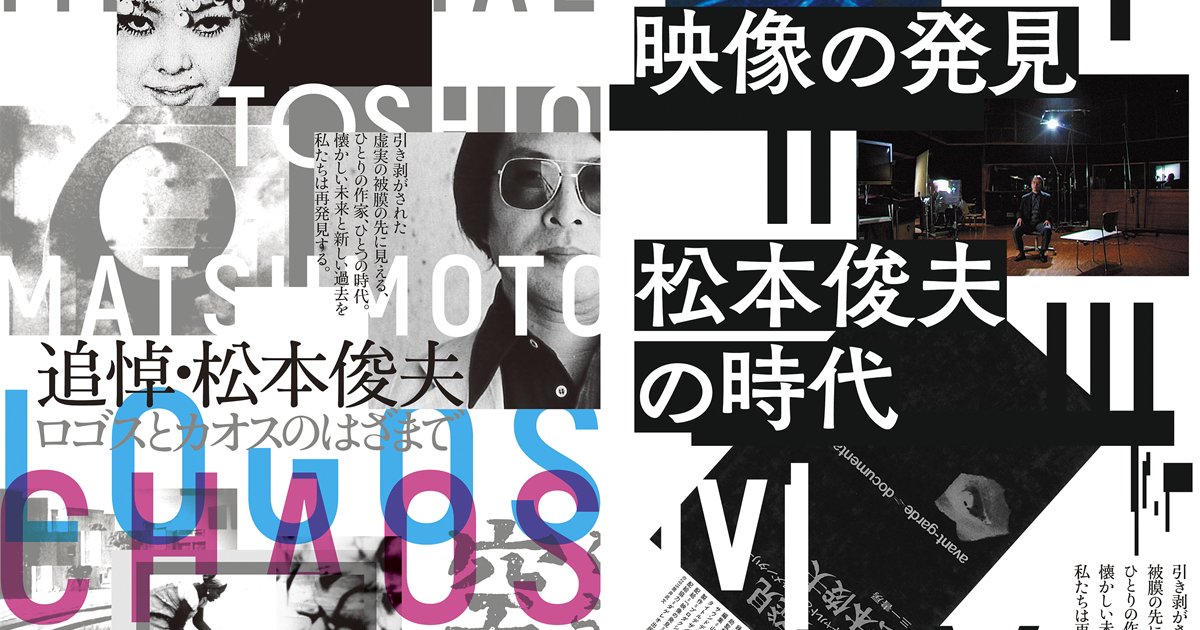
Toshio Matsumoto did not limit experimental film to unusual images inside a conventional cinema screen. During the late 1960s and early 1970s he worked with expanded cinema, questioning what his retrospective material describes as the standard “one projector, one screen” relationship between film and audience. For My Crushed Right Eye from 1968 could be presented…

Read more

When Image and Sound Share Structure

Ryoichi Kurokawa’s syn_ is an audiovisual performance built as a diptych with 2.1-channel sound. First created in 2011, it has been performed internationally in spaces ranging from Tokyo’s Studio Coast to festivals and arts centres in Europe and North America. Kurokawa describes his broader practice in terms of constructing audiovisual phenomena from field recordings and…

Read more

False Film

False Film is a generative p5.js study inspired by the physical behaviour of damaged film. Scratches, dust, frame shifts and light leaks appear and disappear over time, not as a fixed vintage filter but as part of a changing system. The work sits between digital animation and analogue film logic. It does not try to…