Skip to content

Audiovisual Art

Audiovisual art combines moving image and sound as interdependent elements of a single work. Synchronisation, contrast, spatialisation and live interaction can make what is heard and what is seen shape each other continuously.

The Album Belongs to a Video Artist Too

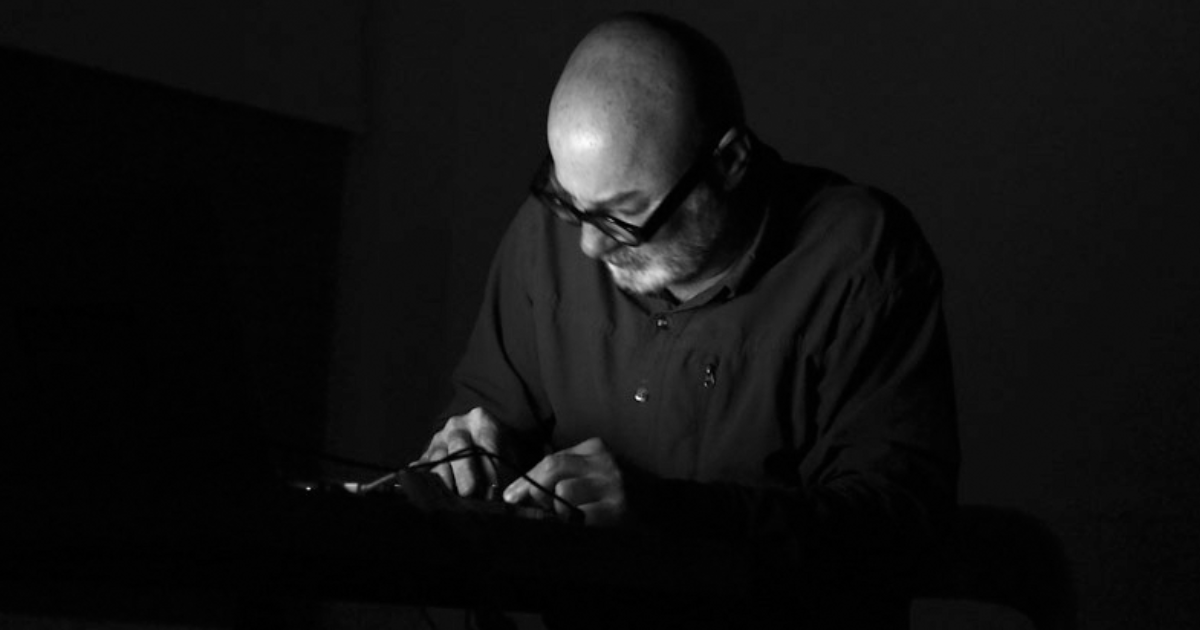
Solari, arriving on 25 September 2026, is the first release under the Courant Zéro name by Montréal sound and video artist Maxime Corbeil-Perron. His background in electroacoustic composition remains audible, but the album moves between ambient passages, rhythmic electronic music and dense digital structures rather than presenting itself as academic electroacoustics. It was recorded and…

Read more

Time Misalignment

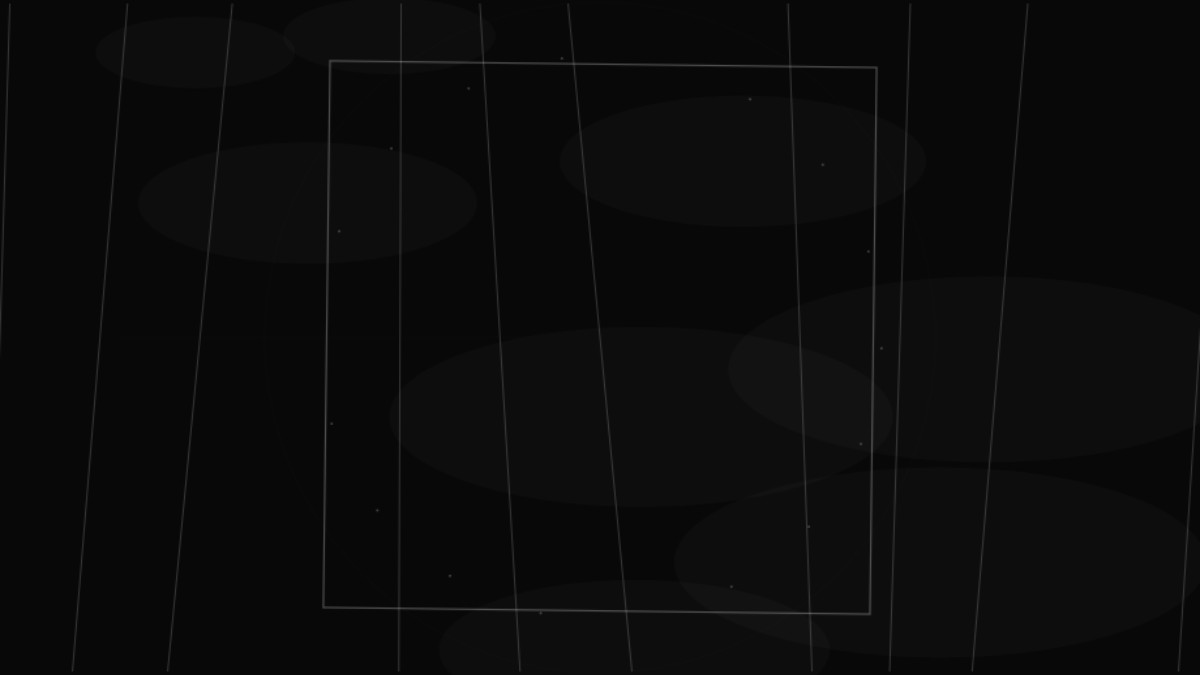
Time Misalignment is a generative p5.js study in which different areas of the same image exist at different temporal speeds. Some sections move slowly, others advance faster, while individual zones can briefly freeze or fall out of sync. The work treats time as something spatial rather than uniform. A single composition is divided into parallel…

Visuals From Particle Physics

Herman Kolgen’s ISOTOPP grew from a residency at GANIL, the French heavy-ion research facility. Rather than using particle physics simply as futuristic decoration, the Montréal multimedia artist developed an audiovisual work around molecular abstraction and energy transfer. The project eventually became a black-and-white audiovisual performance. That starting point interests me from a VJ perspective. Visual…

Read more

When Image and Sound Share Structure

Ryoichi Kurokawa’s syn_ is an audiovisual performance built as a diptych with 2.1-channel sound. First created in 2011, it has been performed internationally in spaces ranging from Tokyo’s Studio Coast to festivals and arts centres in Europe and North America. Kurokawa describes his broader practice in terms of constructing audiovisual phenomena from field recordings and…

Read more

Thirty-Five Speakers for One Album

Ryuichi Sakamoto and Shiro Takatani’s async–immersion transforms an album into something closer to an audiovisual environment. The installation was first shown in 2023 inside the basement of the former Kyoto Shimbun newspaper printing plant. Sound engineer ZAK remixed Sakamoto’s async for a 35-speaker system, while Takatani’s imagery occupied a 26.4-metre-wide LED screen. What interests me…

Read more

Sound Without Sound

Sound Without Sound is a generative p5.js study built around rhythm without audio. The visual composition uses internal pulses, repeating patterns, syncopation and silence to create the impression of music without listening to a microphone or playing a soundtrack. The work treats rhythm as a visual structure rather than a response to sound. Different layers…