| | |

After Impressionism: Inventing Modern Art

At The National gallery, Until 13 August 2023

Paul Cezanne, Mont Sainte-Victoire, 1902-6; Gift of Helen Tyson Madeira, 1977 © Philadelphia Museum of Art

The National Gallery is proud to present the exhibition “After Impressionism: Inventing Modern Art”, a stunning collection of works that explores the transition from Impressionism to Modernism. This exhibition features masterpieces from the late 19th and early 20th centuries, highlighting the key artistic movements that defined this period of artistic innovation.

Visitors to the exhibition will be treated to a diverse range of works, showcasing the evolution of modern art. From the vibrant colors and light of the Impressionist movement, to the bold experimentation of the Fauvists and the expressive abstraction of the Expressionists, this exhibition offers a comprehensive overview of the major movements that paved the way for modern art.

Some of the most renowned artists of the era are represented in this exhibition, including Pablo Picasso, Henri Matisse, and Wassily Kandinsky. Visitors will have the opportunity to view iconic works such as Matisse’s “The Dance” and Picasso’s “Les Demoiselles d’Avignon”, which are widely regarded as some of the most important works in the history of modern art.

The exhibition is divided into several thematic sections, allowing visitors to explore the different artistic movements and styles that emerged during this period. Visitors can immerse themselves in the luminous landscapes of the Impressionists, experience the vibrant colors and bold brushstrokes of the Fauvists, and marvel at the abstract and expressive works of the Expressionists.

This exhibition is a must-see for anyone interested in the history of modern art. It provides a unique opportunity to explore the key artistic movements that shaped the development of modern art, and to view some of the most important works of the era. Whether you are an art aficionado or a casual visitor, “After Impressionism: Inventing Modern Art” is sure to leave a lasting impression.

Georges Seurat, ‘The Channel of Gravelines, Grand Fort-Philippe’, 1890 © National Gallery, London

Website: The National Gallery

Vergelijkbare berichten

  • Sonia Delaunay

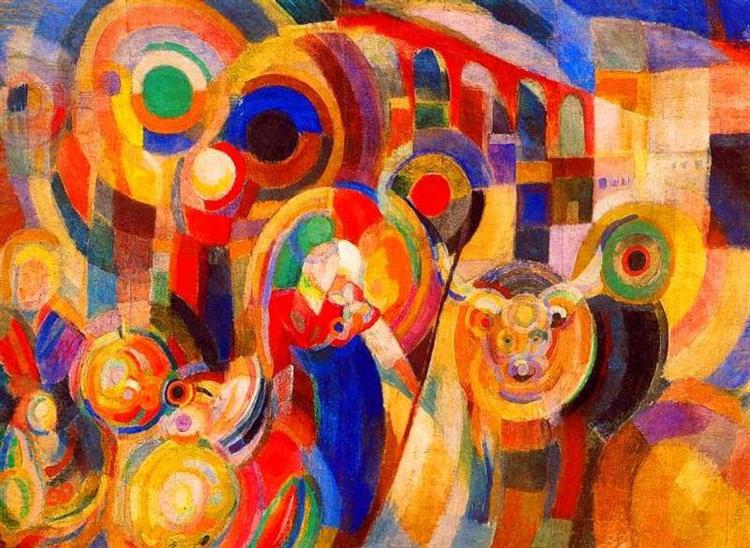
    Sonia Delaunay, born in 1885 in Ukraine, was a pioneering figure in 20th-century modernism known for her innovative contributions to various art forms, including painting, textiles, and fashion. Together with her husband Robert, she developed the theory of Simultanism, which emphasized color’s expressive potential. Delaunay’s multidisciplinary approach integrated art into everyday life, establishing her lasting legacy in breaking down the boundaries between fine and applied arts.

  • |

    Guy Mees

    The Gentle Revolutionary of Belgian Art Guy Mees was a pivotal figure in the post-war Belgian art scene, whose innovative practices marked a significant departure from traditional art forms, steering the evolution of conceptual and minimalist art in Belgium and beyond. Born in 1935 in Mechelen, Belgium, Mees’s artistic journey was characterized by an incessant…

  • Sergej Jensen

    Sergej Jensen’s artistic oeuvre stands as a testament to the innovative intersections between material culture and minimalist artistry. Born in Denmark in 1973 and currently operating out of Berlin, Germany, Jensen has crafted a unique niche within contemporary art through his nuanced engagement with textile materials. His practice is marked by a profound manipulation of…

  • Contemporary Painting

    Contemporary painting embodies a diverse and evolving artistic field, characterized by the fusion of traditional and modern techniques. Artists like Gerhard Richter and Julie Mehretu exemplify a range of styles that comment on identity, culture, and social issues. The integration of technology, such as digital and interactive art, further expands the medium’s possibilities. Contemporary themes often reflect societal challenges, including globalization, environmental concerns, and identity representation. This fluidity and responsiveness to the modern world distinguish contemporary painting as a significant artistic movement.

  • Andy Warhol

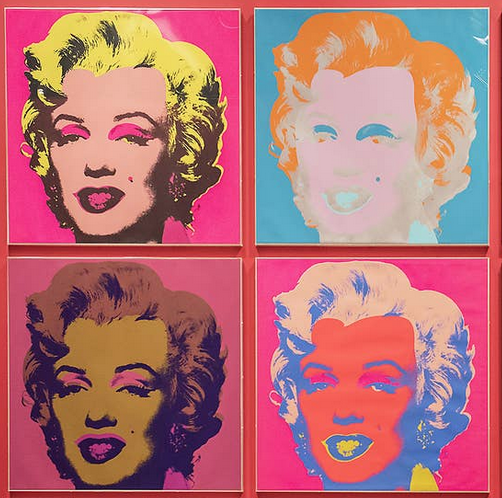
    The Prince of Pop Art Andrew Warhola, known to the world as Andy Warhol, was an American artist, filmmaker, and leading figure of the Pop Art movement that emerged in the 1950s and 1960s. Born in Pittsburgh, Pennsylvania in 1928, Warhol’s humble beginnings were a far cry from the glamour and fame he would later…

  • |

    Unveiling the Art Tapestry of 2024 – A Deep Dive into Tate’s Exemplary Exhibitions

    In the ever-evolving world of art and culture, one museum has announced an inspiring lineup of exhibitions that promise a multitude of immersive experiences. The revered Tate has woven a rich tapestry of cultural experiences set to enthrall visitors throughout 2024. From an expansive exploration of historic women artists at Tate Britain to the groundbreaking…

Geef een reactie

Je e-mailadres wordt niet gepubliceerd. Vereiste velden zijn gemarkeerd met *