Impressionism

  • Impressionism

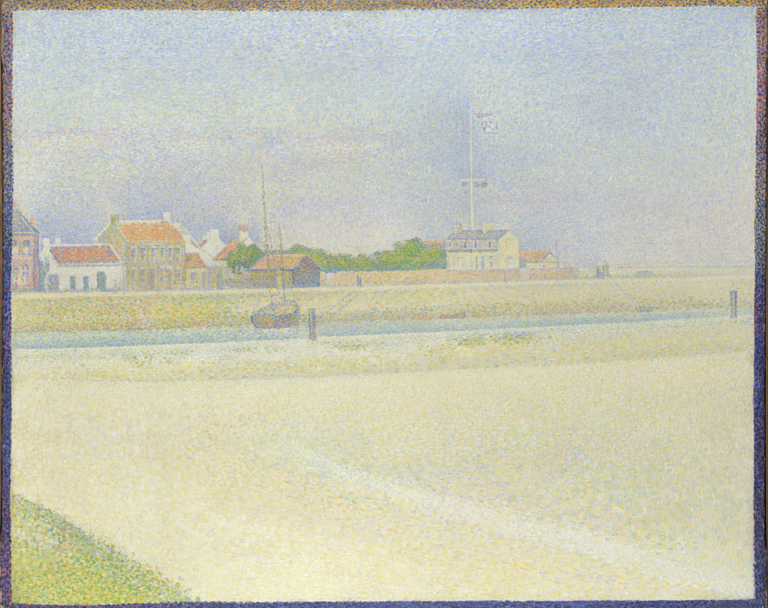
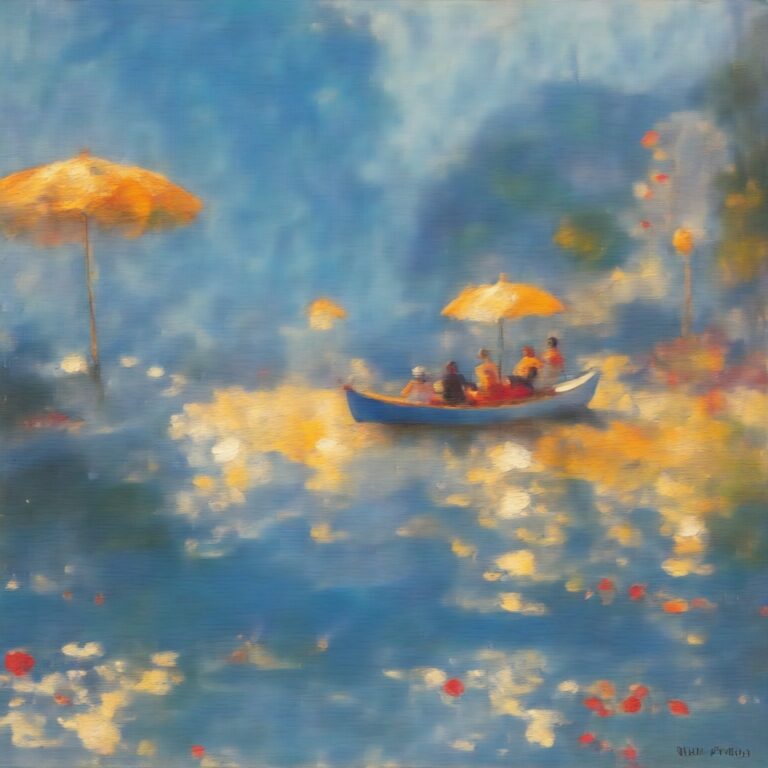
    Impressionism emerged in late 19th-century France as a radical departure from academic painting, prioritizing the capture of light and color over meticulous detail. Key figures like Claude Monet, Pierre-Auguste Renoir, and Edgar Degas pioneered techniques such as loose brushwork and plein air painting, focusing on everyday life and modern experiences. Initially criticized, Impressionism significantly influenced subsequent art movements and remains celebrated today, impacting not only the art world but also popular culture through its emphasis on natural beauty and spontaneity.


  • “Art Through the Ages: A Journey Through Time and Imagination”

    Introduction Chapter 1: The Dawn of Art Chapter 2: Classical Antiquity Chapter 3: Middle Ages to Renaissance Chapter 4: Baroque to Romanticism Chapter 5: Modern Art Chapter 6: Contemporary Art Chapter 7: The Impact of Art Conclusion § Introduction 1. Definition and Importance of Art Art is a diverse range of human activities that involve…

  • The Ever Evolving Tapestry of Art

    Art serves as a profound mirror of the human spirit, evolving from ancient expressions to modern innovations. It reflects societal transformations, embodies human emotions, and acts as a catalyst for social change. As technology reshapes artistic expression, art remains vital in connecting us across cultures and generations, enriching our collective experience.

  • | | |

    After Impressionism: Inventing Modern Art

    At The National gallery, Until 13 August 2023 The National Gallery is proud to present the exhibition “After Impressionism: Inventing Modern Art”, a stunning collection of works that explores the transition from Impressionism to Modernism. This exhibition features masterpieces from the late 19th and early 20th centuries, highlighting the key artistic movements that defined this…