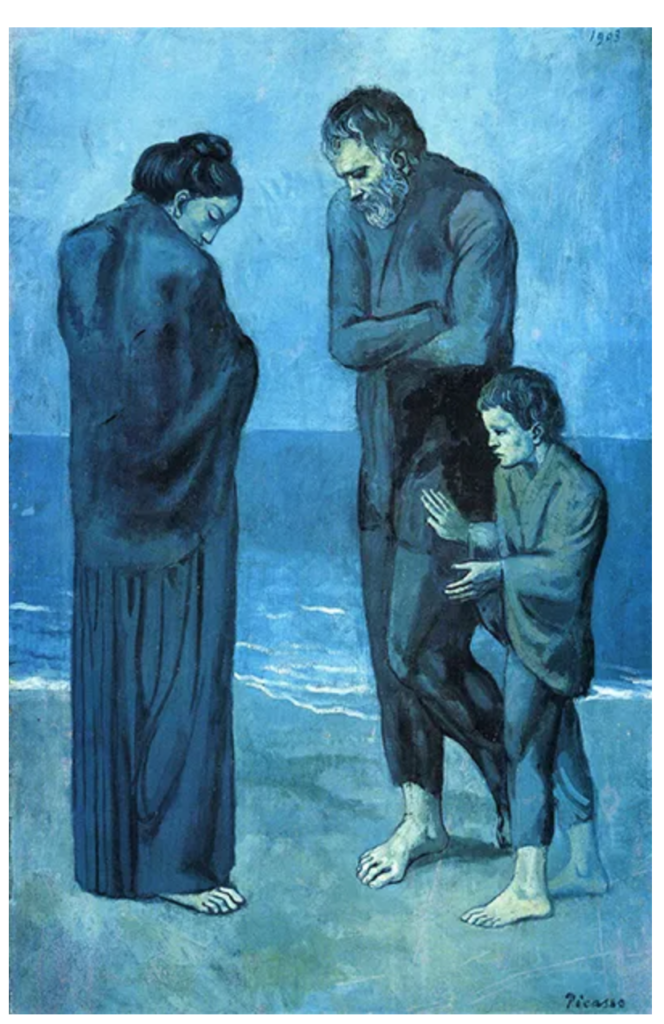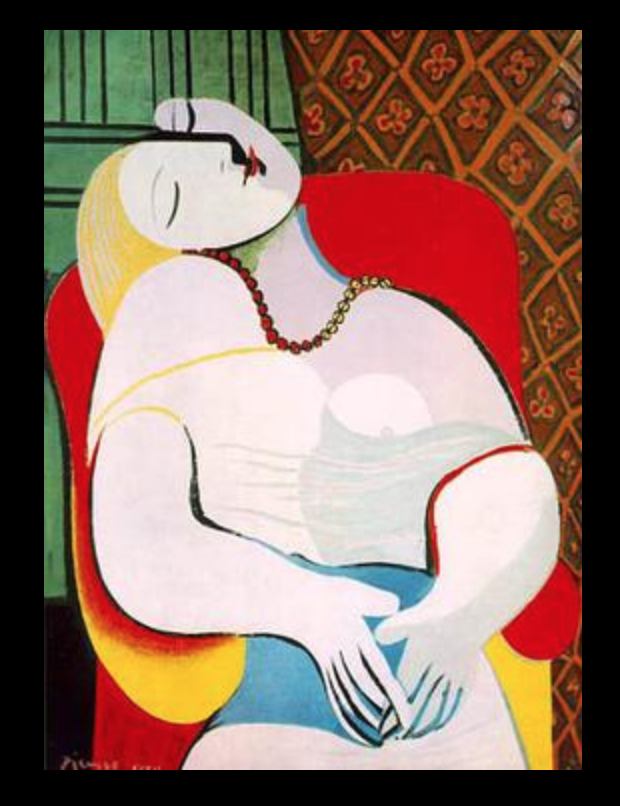
Pablo Picasso, born in 1881 in Málaga, Spain, was one of the most revolutionary and influential artists of the 20th century. His prodigious talents and relentless drive to innovate transformed the world of art and left a lasting impression on subsequent generations. This essay delves into the life and work of Picasso, exploring his artistic evolution, the development of his signature style, and the indelible impact he left on the art world.
Early Life and Training
Pablo Picasso, born Pablo Diego José Francisco de Paula Juan Nepomuceno María de los Remedios Cipriano de la Santísima Trinidad Martyr Patricio Clito Ruíz y Picasso, demonstrated an innate artistic talent from a young age. His father, José Ruiz Blasco, was an artist and art teacher who provided Picasso with his initial artistic training. By the age of 14, Picasso had already surpassed his father’s abilities and began formal art education at prestigious institutions such as the School of Fine Arts in Barcelona and the Royal Academy of San Fernando in Madrid.
The Blue and Rose Periods
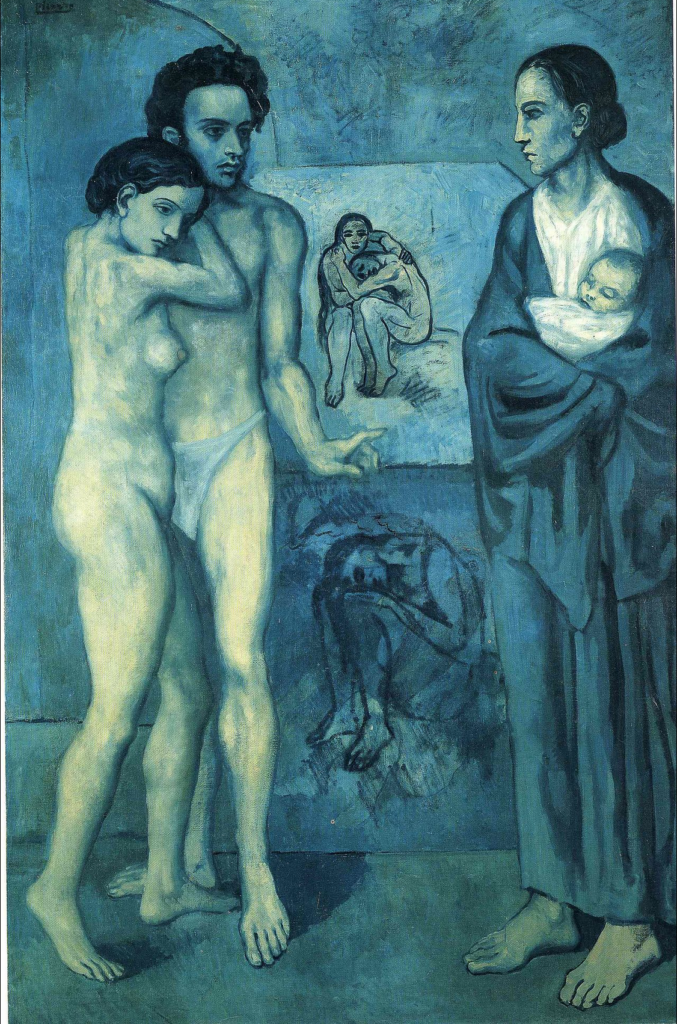
Between 1901 and 1904, Picasso’s work was marked by a strong use of monochromatic blue tones, reflecting his emotional state after the suicide of his close friend Carlos Casagemas. Known as the Blue Period, Picasso’s paintings from this time featured themes of poverty, despair, and isolation. In contrast, the Rose Period (1904-1906) saw a shift to warmer colors and subjects such as circus performers, reflecting the artist’s improved emotional state and his encounters with bohemian Parisian society.
The Birth of Cubism
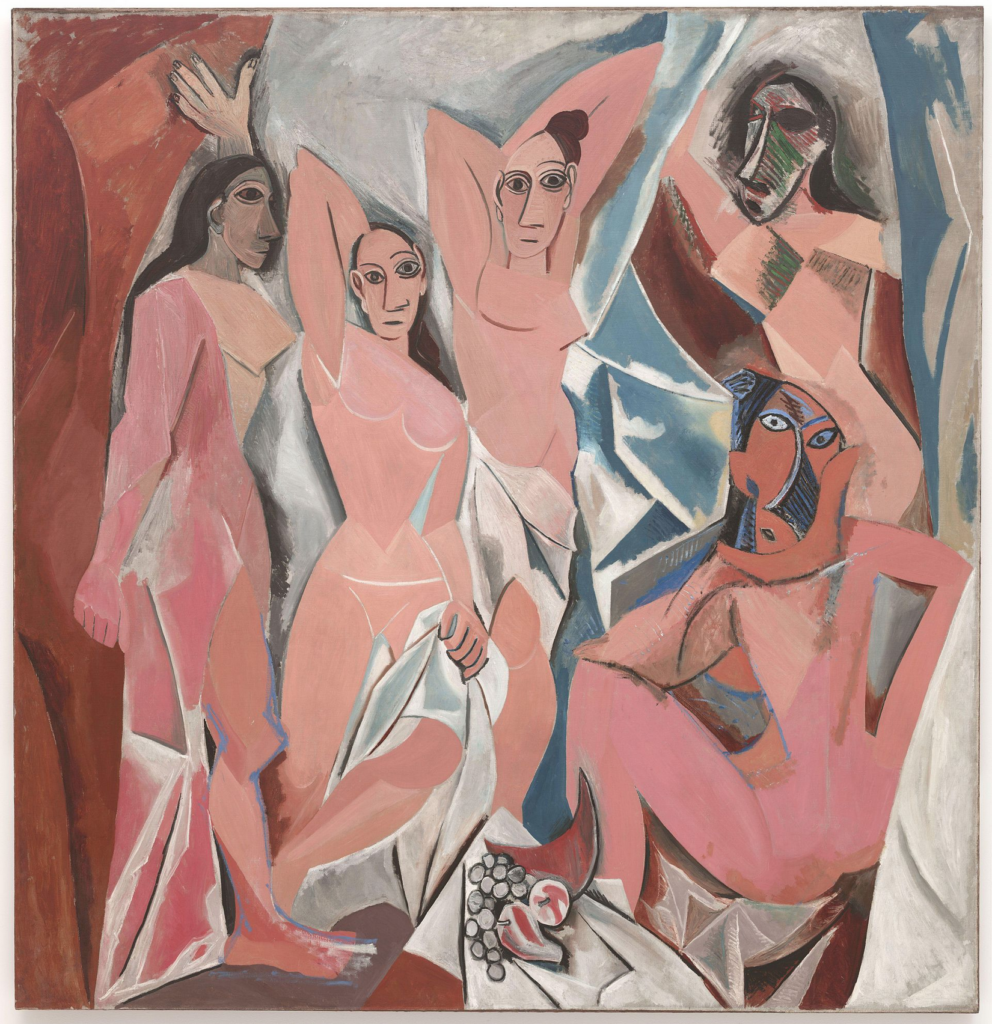
In 1907, Picasso unveiled his groundbreaking painting “Les Demoiselles d’Avignon,” which challenged traditional perspectives and paved the way for the development of Cubism. Alongside fellow artist Georges Braque, Picasso co-founded the Cubist movement, which was characterized by the fragmentation and reassembly of subjects into geometric shapes. This radical departure from conventional artistic practices revolutionized the world of art and laid the groundwork for future movements such as Futurism, Constructivism, and Surrealism.
Later Works and Styles
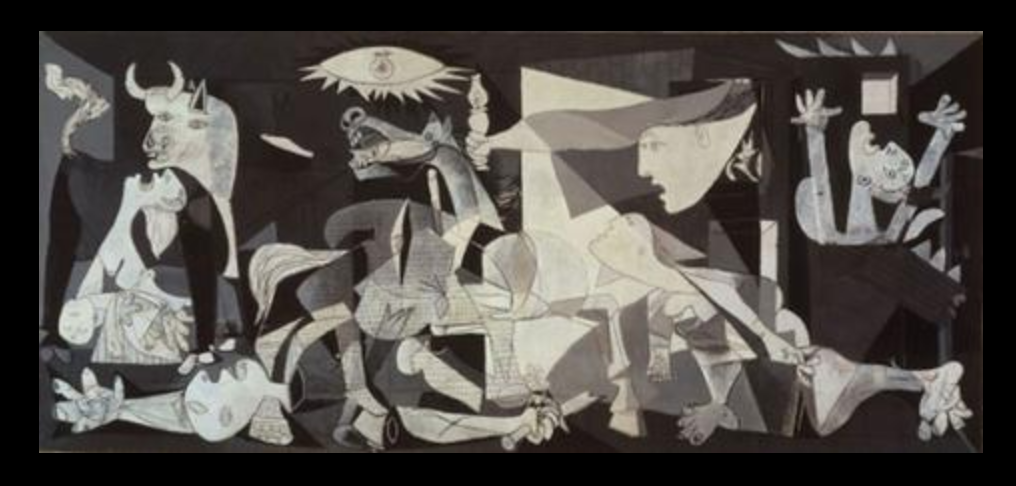
Picasso’s career spanned more than seven decades, and his artistic style underwent numerous transformations. He experimented with a wide range of media, including painting, sculpture, ceramics, printmaking, and stage design. Some of his notable works from later periods include the politically charged “Guernica” (1937), a powerful anti-war statement, and the “Vollard Suite” (1930-1937), a series of 100 etchings that displayed his mastery of printmaking techniques.
Legacy and Influence
Picasso’s prolific career and relentless pursuit of artistic innovation secured his position as one of the most important artists of the 20th century. His revolutionary ideas and techniques continue to inspire and challenge contemporary artists, and his work has left an indelible mark on art history. As a result, Picasso’s impact can still be felt in various artistic disciplines, from painting and sculpture to photography and digital art.
Pablo Picasso’s life and work serve as a testament to the power of artistic expression and the endless possibilities of human creativity. His ability to push boundaries and challenge conventions not only shaped the course of modern art but also demonstrated the transformative power of imagination. Picasso’s legacy will undoubtedly continue to inspire and captivate future generations of artists, scholars, and art enthusiasts, ensuring his place as a true titan of the art world.