|

You Come Across Rembrandt In The French Countryside.

Rembrandt
Eglise Saint-Vincent du Mas-d’Agenais
Le Christ en croix par Rembrandt.

Located in the charming French village of Mas-d’Agenais, the Eglise Saint-Vincent stands tall as a testament to the region’s rich cultural heritage. Built in the Romanesque style in the 12th century, this historic church is known for its stunning architecture and impressive artwork.

One of the most notable works of art on display at the Eglise Saint-Vincent is a depiction of the crucifixion by the legendary Dutch artist Rembrandt. The painting, which portrays Christ on the cross, is a true masterpiece of the Baroque period and is considered one of the artist’s most iconic works.

Interestingly, the story of how this masterpiece came to be housed in a small French village church is just as fascinating as the painting itself. It is said that during the French Revolution, the painting was seized from a wealthy aristocrat’s collection and subsequently sold at an auction. It eventually made its way to the Eglise Saint-Vincent where it has remained ever since.

Despite being tucked away in a quiet corner of rural France, the Eglise Saint-Vincent continues to attract visitors from all over the world. Its serene and peaceful atmosphere, coupled with its impressive artwork and rich history, make it a must-see destination for art lovers and history buffs alike.

As you step into the church, the sight of the majestic Christ on the cross by Rembrandt will take your breath away. The intricate details and delicate brushstrokes of the painting are a testament to the artist’s skill and creativity. It is truly a remarkable sight to behold, and one that is sure to leave a lasting impression on anyone who has the privilege of seeing it in person.

In addition to the Rembrandt painting, the Eglise Saint-Vincent also boasts a number of other impressive works of art, including beautiful stained glass windows and intricately carved sculptures. Each of these pieces tells a story and offers a glimpse into the rich cultural heritage of the region.

Whether you are an art aficionado, a history buff, or simply someone looking for a peaceful and serene place to reflect, the Eglise Saint-Vincent is well worth a visit. With its impressive artwork, rich history, and beautiful surroundings, it is a true gem of the French countryside.

????

  • Abstract Art

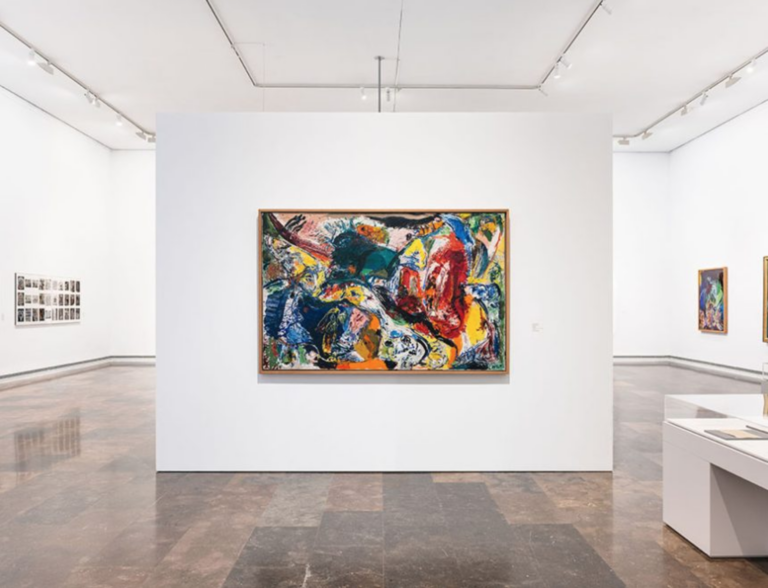
    Abstract art revolutionized painting in the early 20th century, prioritizing shapes, colors, and textures over realistic representation. Pioneered by artists like Malevich, Mondrian, and Pollock, it explores emotion and inner experience. Abstract art continues to influence contemporary movements while encouraging personal interpretation and emotional connection in viewers.

  • |

    J.M.W. Turner

    Joseph Mallord William Turner, born in London in 1775, exhibited remarkable talent in art from a young age and entered the Royal Academy at 14. His early works focused on architectural studies and landscapes, showcasing his mastery of light and detail. Over his career, Turner evolved his style, pioneering new techniques that emphasized atmosphere and emotion, significantly influencing Impressionism and modern art. His exceptional works, including “The Fighting Temeraire,” convey the beauty and power of nature. Turner’s legacy remains vital, inspiring generations of artists and shaping the art community.

  • |

    Arne Quinze

    Arne Quinze, a Belgian artist, is renowned for his vibrant large-scale installations that serve as catalysts for social interaction in urban spaces. His artistic journey emphasizes the transformative power of public art, encouraging communities to engage with their environments. Notable works such as “The Sequence,” “Uchronia,” and “Rock Strangers” exemplify his philosophy that art can bridge cultural gaps and stimulate dialogue. Through innovative materials and configurations, Quinze challenges traditional perceptions of art, advocating for its integral role in urban renewal and community discourse, thereby shaping contemporary public art’s future.

  • Surrealism

    Surrealism is an influential art movement from the early 20th century, aiming to explore the unconscious mind through dreamlike, illogical imagery. Heavily inspired by Freud, it emerged post-World War I and called for artistic freedom beyond rationality. Prominent artists like Salvador Dalí, René Magritte, and Max Ernst challenged reality’s perceptions using techniques such as juxtaposition and automatism, leaving a lasting impact on modern art, literature, and film.

  • Andy Warhol

    The Prince of Pop Art Andrew Warhola, known to the world as Andy Warhol, was an American artist, filmmaker, and leading figure of the Pop Art movement that emerged in the 1950s and 1960s. Born in Pittsburgh, Pennsylvania in 1928, Warhol’s humble beginnings were a far cry from the glamour and fame he would later…

????

???????????? ????? * ??