|

You Come Across Rembrandt In The French Countryside.

Rembrandt
Eglise Saint-Vincent du Mas-d’Agenais
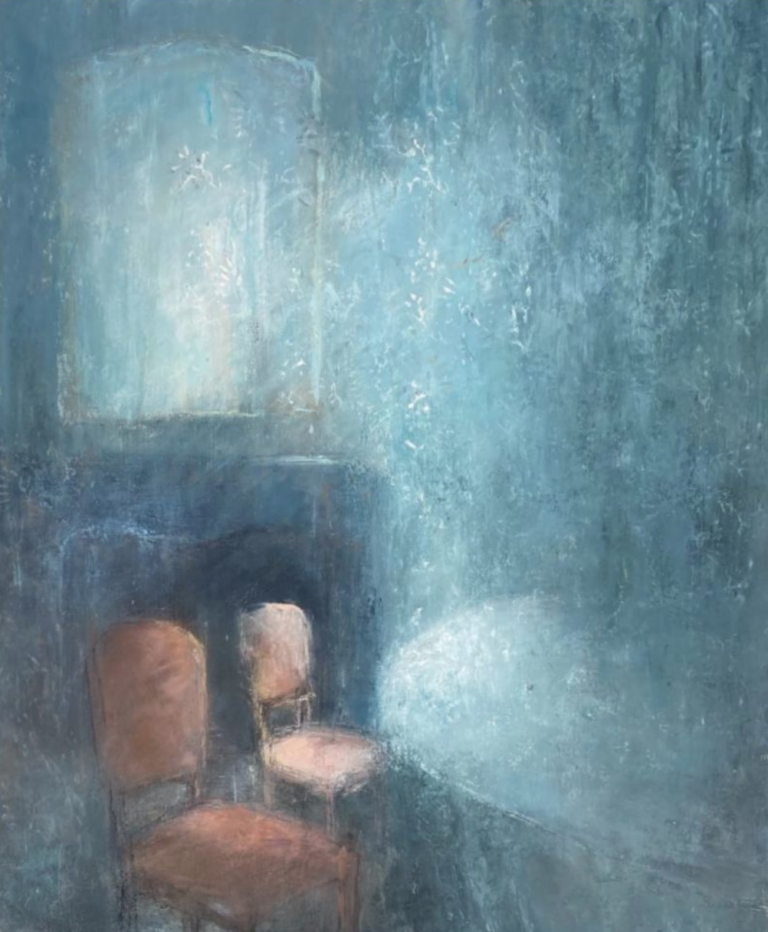
Le Christ en croix par Rembrandt.

Located in the charming French village of Mas-d’Agenais, the Eglise Saint-Vincent stands tall as a testament to the region’s rich cultural heritage. Built in the Romanesque style in the 12th century, this historic church is known for its stunning architecture and impressive artwork.

One of the most notable works of art on display at the Eglise Saint-Vincent is a depiction of the crucifixion by the legendary Dutch artist Rembrandt. The painting, which portrays Christ on the cross, is a true masterpiece of the Baroque period and is considered one of the artist’s most iconic works.

Interestingly, the story of how this masterpiece came to be housed in a small French village church is just as fascinating as the painting itself. It is said that during the French Revolution, the painting was seized from a wealthy aristocrat’s collection and subsequently sold at an auction. It eventually made its way to the Eglise Saint-Vincent where it has remained ever since.

Despite being tucked away in a quiet corner of rural France, the Eglise Saint-Vincent continues to attract visitors from all over the world. Its serene and peaceful atmosphere, coupled with its impressive artwork and rich history, make it a must-see destination for art lovers and history buffs alike.

As you step into the church, the sight of the majestic Christ on the cross by Rembrandt will take your breath away. The intricate details and delicate brushstrokes of the painting are a testament to the artist’s skill and creativity. It is truly a remarkable sight to behold, and one that is sure to leave a lasting impression on anyone who has the privilege of seeing it in person.

In addition to the Rembrandt painting, the Eglise Saint-Vincent also boasts a number of other impressive works of art, including beautiful stained glass windows and intricately carved sculptures. Each of these pieces tells a story and offers a glimpse into the rich cultural heritage of the region.

Whether you are an art aficionado, a history buff, or simply someone looking for a peaceful and serene place to reflect, the Eglise Saint-Vincent is well worth a visit. With its impressive artwork, rich history, and beautiful surroundings, it is a true gem of the French countryside.


Vergelijkbare berichten

  • | | |

    Rubens - De meester van de barok en de essentie van de Vlaamse kunst

    Peter Paul Rubens (1577-1640) was a pivotal Flemish painter who defined the Baroque era with his dynamic compositions and rich colors. His early life in a cultured family enriched his artistic and diplomatic pursuits. Training under esteemed masters like Otto van Veen shaped his style, while his Italian journey in 1600 integrated innovative techniques from the Renaissance. Rubens’ mature career featured significant commissions from royalty, reflected in masterpieces like The Raising of the Cross. His legacy endures, influencing generations of artists and art movements.

  • Sarah De Vos

    Sarah De Vos, a prominent figure in the contemporary art scene, embodies the rich artistic tradition of Belgium while pushing the boundaries of painting as a medium. Rooted in Belgium, De Vos has cultivated a unique artistic identity that reflects both her heritage and her forward-thinking approach to art. Her educational journey began at Sint-Lucas…

  • |

    J.M.W. Turner

    Joseph Mallord William Turner, born in London in 1775, exhibited remarkable talent in art from a young age and entered the Royal Academy at 14. His early works focused on architectural studies and landscapes, showcasing his mastery of light and detail. Over his career, Turner evolved his style, pioneering new techniques that emphasized atmosphere and emotion, significantly influencing Impressionism and modern art. His exceptional works, including “The Fighting Temeraire,” convey the beauty and power of nature. Turner’s legacy remains vital, inspiring generations of artists and shaping the art community.

  • Abstract Art

    Abstract art revolutionized painting in the early 20th century, prioritizing shapes, colors, and textures over realistic representation. Pioneered by artists like Malevich, Mondrian, and Pollock, it explores emotion and inner experience. Abstract art continues to influence contemporary movements while encouraging personal interpretation and emotional connection in viewers.

  • Art Deco – An Elegant Fusion of Style and Functionality

    Art Deco, a design movement from the 1920s and 1930s, is known for its bold geometric patterns, rich colors, and luxurious materials. Originating in Paris, it spread rapidly, influencing architecture, furniture, fashion, and graphic design. Key characteristics include geometric shapes and vibrant hues, drawing inspiration from ancient civilizations. Despite its decline during the Great Depression and WWII, Art Deco saw a resurgence, remaining a significant and iconic style in design history.

Geef een reactie

Je e-mailadres wordt niet gepubliceerd. Vereiste velden zijn gemarkeerd met *