Lazy Sunday: Embracing the Art of Doing Nothing

Sundays are meant for relaxation, rejuvenation, and recharging your batteries for the week ahead. While some people use this day to catch up on household chores, grocery shopping, or work, there’s something to be said for embracing the art of doing nothing.

A lazy Sunday doesn’t mean being unproductive or wasting time. It’s a deliberate choice to slow down and take a break from the hustle and bustle of everyday life. It’s a chance to indulge in self-care, spend time with loved ones, or simply enjoy the simple pleasures of life.

For some, a lazy Sunday might involve staying in bed all day, reading a book, watching movies, or binge-watching a favorite TV show. For others, it might mean going for a leisurely walk, having a picnic in the park, or taking a nap in the afternoon sun.

The key to a successful lazy Sunday is to give yourself permission to do nothing without feeling guilty. This means disconnecting from the digital world and not checking your email, social media, or work-related messages. It means letting go of the pressure to be productive and allowing yourself to relax and recharge.

Studies have shown that taking time to rest and recharge can actually boost productivity and creativity in the long run. So, if you’re feeling guilty about taking a lazy Sunday, remind yourself that it’s an investment in your overall well-being.

In conclusion, a lazy Sunday doesn’t have to be a waste of time. It’s a chance to slow down, recharge, and reconnect with yourself and those around you. Embrace the art of doing nothing and give yourself permission to take a break from the hustle and bustle of everyday life. Your mind, body, and soul will thank you for it.

????

  • Contemporary Painting

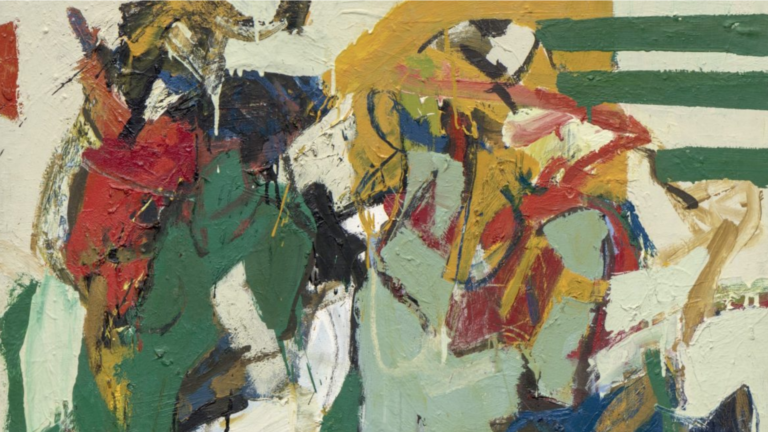
    Contemporary painting embodies a diverse and evolving artistic field, characterized by the fusion of traditional and modern techniques. Artists like Gerhard Richter and Julie Mehretu exemplify a range of styles that comment on identity, culture, and social issues. The integration of technology, such as digital and interactive art, further expands the medium’s possibilities. Contemporary themes often reflect societal challenges, including globalization, environmental concerns, and identity representation. This fluidity and responsiveness to the modern world distinguish contemporary painting as a significant artistic movement.

  • ||

    The Louvre

    The Louvre, nestled in the heart of Paris, stands as a beacon of culture, history, and art. It embodies a chronicle of human civilization and houses the world’s most revered artworks. From its origins as a royal fortress to a public institution, the Louvre’s architectural narrative chronicles the evolution of French art. Its vast collection, organized into eight departments, spans over 9,000 years of history. The Louvre’s global influence encompasses the Louvre Abu Dhabi, international exhibitions, and educational programs, exemplifying its commitment to cultural diplomacy and global outreach. Through digital initiatives, the museum promotes accessibility and inclusivity, making art and cultural heritage globally attainable.

  • |

    You Come Across Rembrandt In The French Countryside.

    The Eglise Saint-Vincent in Mas-d’Agenais, France, is a 12th-century Romanesque church renowned for its architecture and art, notably Rembrandt’s crucifixion painting. Acquired during the French Revolution, this masterpiece attracts global visitors, offering a serene atmosphere and rich cultural heritage, complemented by stained glass and sculptural works.

  • Impressionism

    Impressionism emerged in late 19th-century France as a radical departure from academic painting, prioritizing the capture of light and color over meticulous detail. Key figures like Claude Monet, Pierre-Auguste Renoir, and Edgar Degas pioneered techniques such as loose brushwork and plein air painting, focusing on everyday life and modern experiences. Initially criticized, Impressionism significantly influenced subsequent art movements and remains celebrated today, impacting not only the art world but also popular culture through its emphasis on natural beauty and spontaneity.

  • Hugo Van der Goes

    Between Pain and Bliss, Gemäldegalerie The Gemäldegalerie in Berlin is home to some of the most extraordinary works of art from different periods and styles. One of the masterpieces that attract visitors from all over the world is the famous painting by Hugo Van der Goes, a Flemish painter who lived in the fifteenth century….

????

???????????? ????? * ??