|  | 

THE MOROZOV COLLECTION. ICONS OF MODERN ART

From September 22, 2021 to April 3, 2022

Paris’ Fondation Louis Vuitton

The Morozov Exhibition: A Fantastic, Beautiful, and Stunning Display of Art

The recent Morozov exhibition was an absolutely breathtaking display of some of the most incredible art pieces I have ever seen. From the moment I entered the exhibition hall, I was completely captivated by the stunning beauty and creativity of the works on display.

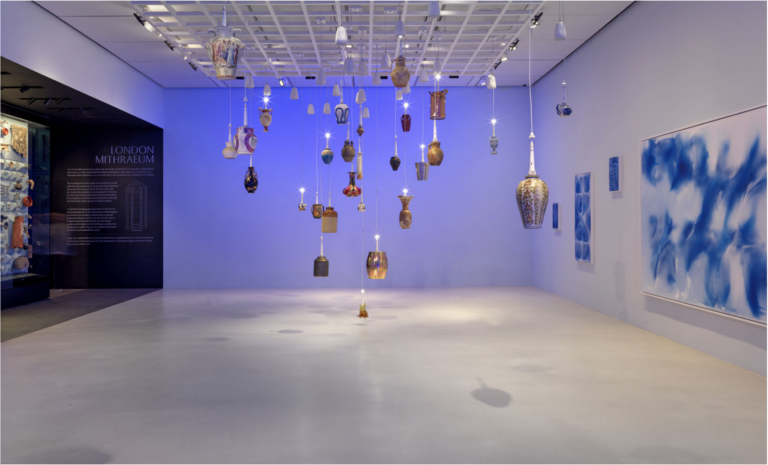
Vue d’installation de l’exposition La Collection Morozov. Icônes de l’art moderne, Fondation Louis Vuitton, Paris © Fondation Louis Vuitton / Marc Domage

The exhibition featured pieces from the private collection of the Morozov family, who were prominent art collectors in early 20th century Russia. Their collection included works by some of the most celebrated artists of the time, including Picasso, Matisse, and Van Gogh.

As I made my way through the exhibition, I was struck by the incredible range of styles and techniques on display. From the bold and vibrant colors of Matisse’s paintings, to the delicate and intricate details of Van Gogh’s drawings, each piece was a masterpiece in its own right.

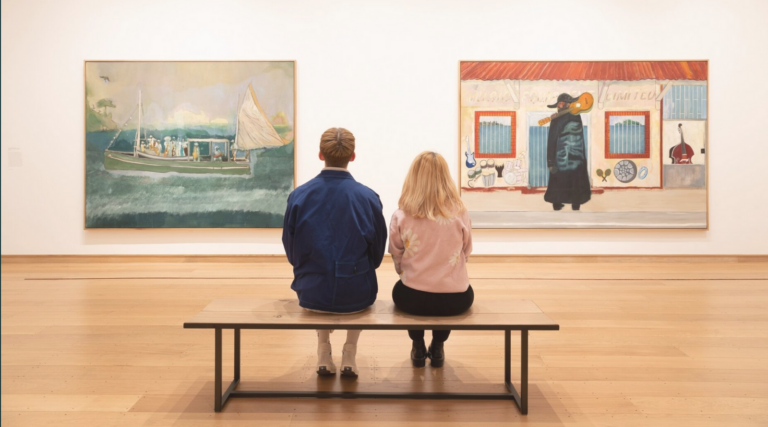
Vue d’installation de l’exposition La Collection Morozov. Icônes de l’art moderne, Fondation Louis Vuitton, Paris © Fondation Louis Vuitton / Marc Domage

One of the most impressive aspects of the exhibition was the way in which the works were curated and displayed. The pieces were arranged in such a way as to highlight their individual beauty and significance, while also creating a cohesive and harmonious overall experience.

The exhibition also featured an impressive array of interactive elements, including multimedia displays and interactive installations. These added a new dimension to the experience, allowing visitors to engage with the art in new and exciting ways.

Overall, the Morozov exhibition was a truly unforgettable experience. It was a fantastic, beautiful, and stunning display of some of the most incredible art in the world. I left feeling inspired and enriched, with a newfound appreciation for the power and beauty of art.

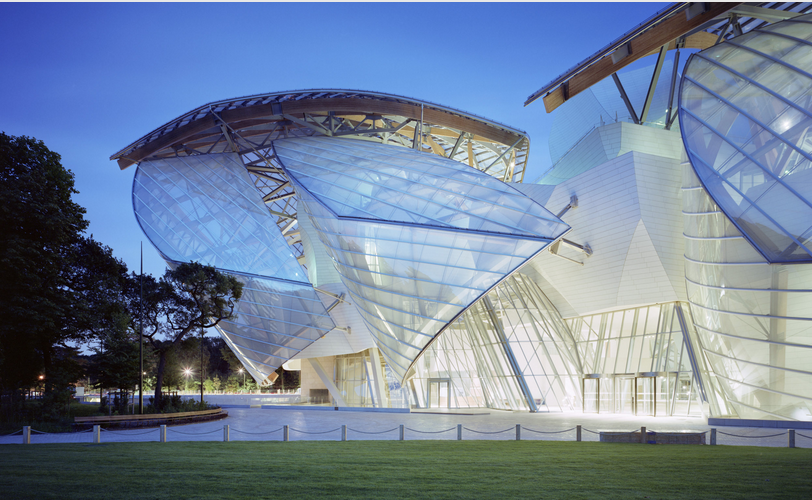
Vue d’installation de l’exposition La Collection Morozov. Icônes de l’art moderne, Fondation Louis Vuitton, Paris © Fondation Louis Vuitton / Marc Domage
Paul Gauguin, Eu haere ia oe (Où vas-tu ?), La Femme au fruit, Tahiti, 1893
Paul Gauguin, Les Parau Parau (Conversation ou les potins), Tahiti, 1891

Articoli simili

  • Sonia Delaunay

    Sonia Delaunay, born in 1885 in Ukraine, was a pioneering figure in 20th-century modernism known for her innovative contributions to various art forms, including painting, textiles, and fashion. Together with her husband Robert, she developed the theory of Simultanism, which emphasized color’s expressive potential. Delaunay’s multidisciplinary approach integrated art into everyday life, establishing her lasting legacy in breaking down the boundaries between fine and applied arts.

  •  |  |  |  | 

    White Cube Gallery

    Background White Cube is a renowned contemporary art gallery, established by Jay Jopling in 1993. It is recognized as one of the pivotal platforms that have significantly contributed to shaping the contemporary art scene globally. The name “White Cube” itself has become synonymous with a certain aesthetic and approach to displaying art, which has influenced…

  • René Magritte

    The Enigmatic World of Surrealism, Philosophy, and the Art of the Unexpected Introduction René Magritte, a leading figure of surrealism, remains one of the most enigmatic and intriguing artists of the 20th century. His works transcend conventional boundaries, blending the familiar with the uncanny to create surreal images that force viewers to confront paradoxes and…

  • Charlotte Posenenske

    Charlotte Posenenske (1930-1985) was a pivotal German artist whose innovative approach in the 1960s transformed minimalism and conceptual art through the use of industrial materials and participatory practices. Her key works, notably the “Series D” square tubes, emphasized accessibility and the collective experience of art, challenging traditional boundaries between artist and audience. In 1968, she ceased art production, disillusioned with the market, shifting focus to sociology. Posenenske’s legacy endures in contemporary discussions of art’s social role, urging a democratized and socially engaged artistic practice that resonates with current societal issues.

Lascia un commento

Il tuo indirizzo email non sarà pubblicato. I campi obbligatori sono contrassegnati *