A Return to the Roots
Philadelphia Museum of Art – Opening Spring 2023

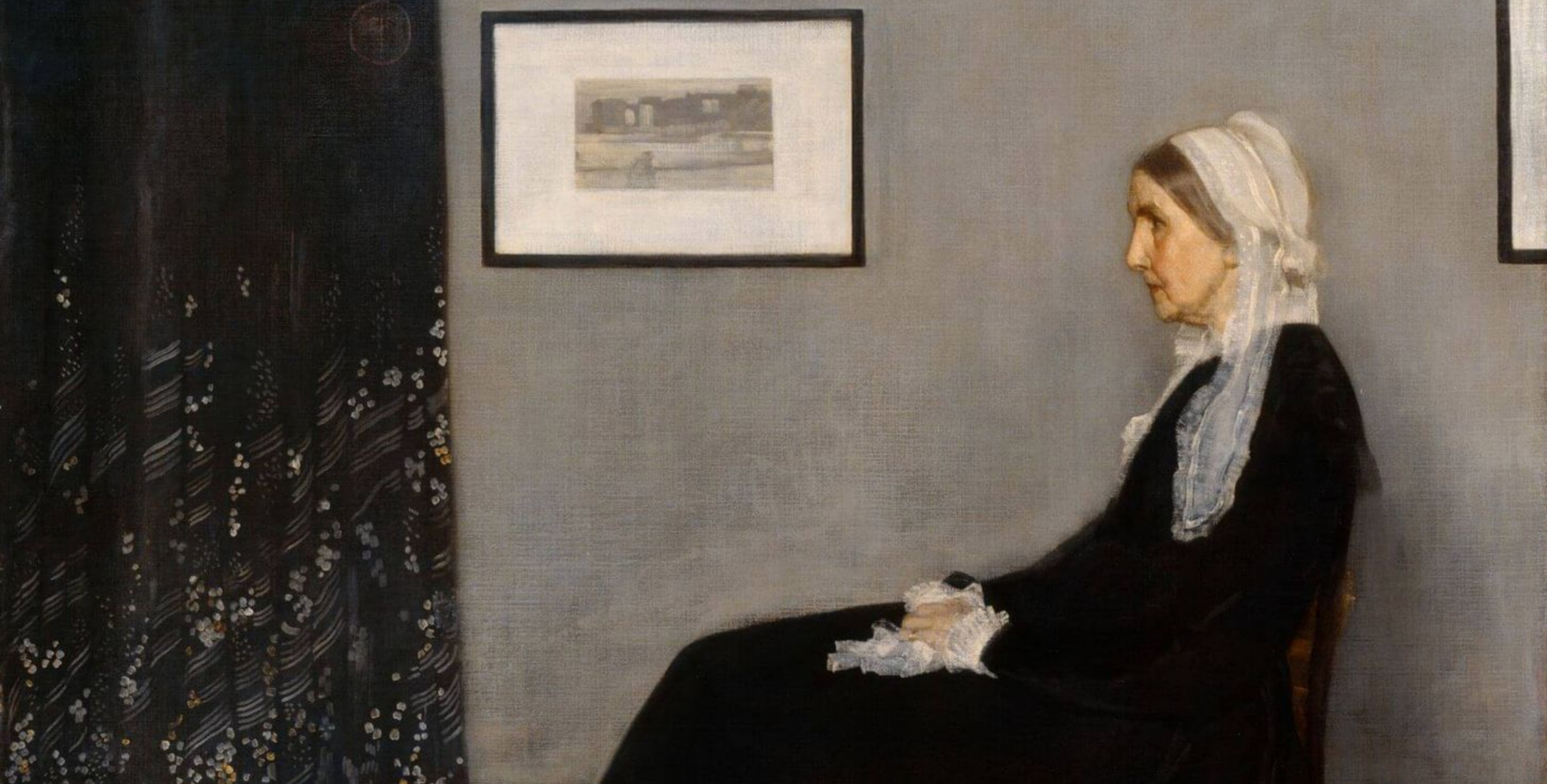
When James Abbott McNeill Whistler first showcased his evocative portrait of his mother, Anna Matilda McNeill Whistler, at the Pennsylvania Academy of the Fine Arts in 1881, little did the audience know that they were witnessing the birth of an American icon. Now, 142 years later, the masterpiece makes its highly anticipated return to Philadelphia in the spring of 2023. The exhibition, titled “The Artist’s Mother: Whistler & Philadelphia,” honors this exceptional loan to the museum by delving into the circumstances surrounding the portrait’s creation, as well as its enduring legacy in the City of Brotherly Love.
The inspiration behind Whistler’s Mother can be traced back to the works of Rembrandt, whose etchings of his own mother served as a creative catalyst for Whistler. In turn, the painting would go on to inspire generations of Philadelphia artists to create their own depictions of their mothers, either as direct responses to Whistler’s piece or as entirely unique interpretations. This exhibition not only showcases Whistler’s iconic work but also brings it into conversation with an array of paintings, drawings, and etchings by Philadelphia artists, such as Cecilia Beaux, Henry Ossawa Tanner, Dox Thrash, Alice Neel, and Sidney Goodman.
At the heart of this exhibition lies the exploration of the complex relationships between the artists and their mothers, as well as the individual women represented in the various artworks. By examining the personal connections between artist and sitter, child and parent, the exhibition invites visitors to consider the emotional nuances and universal themes that underpin these masterpieces.
Whistler’s Mother, officially titled “Arrangement in Grey and Black No. 1,” has long captivated audiences with its blend of realism and symbolism. This return to Philadelphia is a homecoming of sorts, with the exhibition presenting a unique opportunity for art enthusiasts and scholars alike to study the painting up close, alongside the works of local artists that it inspired. The exhibition promises to offer fresh insights into the artistic traditions and innovations that took root in Philadelphia and blossomed into some of the most recognizable American art.
In showcasing the works of artists like Cecilia Beaux, known for her remarkable portraits of high society, and Henry Ossawa Tanner, the first African American artist to gain international acclaim, the exhibition delves into the diverse range of styles and subject matter that emerged in response to Whistler’s Mother. The display of works by Dox Thrash, a trailblazing printmaker during the Harlem Renaissance, and Alice Neel, a painter renowned for her intimate portraits, further emphasizes the breadth and depth of artistic expression cultivated in Philadelphia.
By juxtaposing Whistler’s Mother with these other exceptional works, the exhibition tells a story of artistic evolution and influence. It explores how the iconic painting sparked a creative movement in Philadelphia, inspiring local artists to examine the mother-child bond in their own ways. Moreover, it highlights the immense talent and artistic innovation fostered in this city, affirming its status as a hub of American art.
As the world eagerly awaits the opening of “The Artist’s Mother: Whistler & Philadelphia” in the spring of 2023, anticipation continues to build. The exhibition promises to be a landmark event, shedding light on the rich history of art in Philadelphia and the captivating story behind one of America’s most treasured masterpieces. The return of Whistler’s Mother to the city where it first captured the hearts and minds of audiences is a testament to the painting’s enduring allure and the power of art to transcend time and space, connecting generations of artists and admirers alike.