| | |

After Impressionism: Inventing Modern Art

At The National gallery, Until 13 August 2023

Paul Cezanne, Mont Sainte-Victoire, 1902-6; Gift of Helen Tyson Madeira, 1977 © Philadelphia Museum of Art

The National Gallery is proud to present the exhibition “After Impressionism: Inventing Modern Art”, a stunning collection of works that explores the transition from Impressionism to Modernism. This exhibition features masterpieces from the late 19th and early 20th centuries, highlighting the key artistic movements that defined this period of artistic innovation.

Visitors to the exhibition will be treated to a diverse range of works, showcasing the evolution of modern art. From the vibrant colors and light of the Impressionist movement, to the bold experimentation of the Fauvists and the expressive abstraction of the Expressionists, this exhibition offers a comprehensive overview of the major movements that paved the way for modern art.

Some of the most renowned artists of the era are represented in this exhibition, including Pablo Picasso, Henri Matisse, and Wassily Kandinsky. Visitors will have the opportunity to view iconic works such as Matisse’s “The Dance” and Picasso’s “Les Demoiselles d’Avignon”, which are widely regarded as some of the most important works in the history of modern art.

The exhibition is divided into several thematic sections, allowing visitors to explore the different artistic movements and styles that emerged during this period. Visitors can immerse themselves in the luminous landscapes of the Impressionists, experience the vibrant colors and bold brushstrokes of the Fauvists, and marvel at the abstract and expressive works of the Expressionists.

This exhibition is a must-see for anyone interested in the history of modern art. It provides a unique opportunity to explore the key artistic movements that shaped the development of modern art, and to view some of the most important works of the era. Whether you are an art aficionado or a casual visitor, “After Impressionism: Inventing Modern Art” is sure to leave a lasting impression.

Georges Seurat, ‘The Channel of Gravelines, Grand Fort-Philippe’, 1890 © National Gallery, London

Website: The National Gallery

Ähnliche Beiträge

  • Contemporary Painting

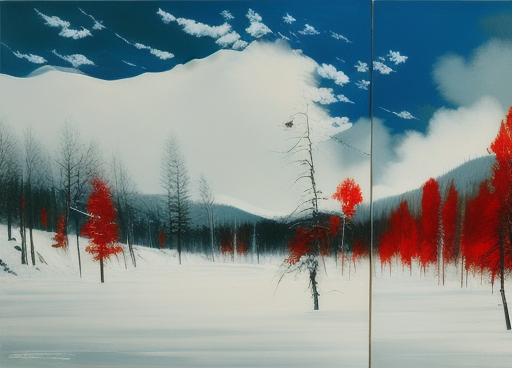
    Contemporary painting embodies a diverse and evolving artistic field, characterized by the fusion of traditional and modern techniques. Artists like Gerhard Richter and Julie Mehretu exemplify a range of styles that comment on identity, culture, and social issues. The integration of technology, such as digital and interactive art, further expands the medium’s possibilities. Contemporary themes often reflect societal challenges, including globalization, environmental concerns, and identity representation. This fluidity and responsiveness to the modern world distinguish contemporary painting as a significant artistic movement.

  • | |

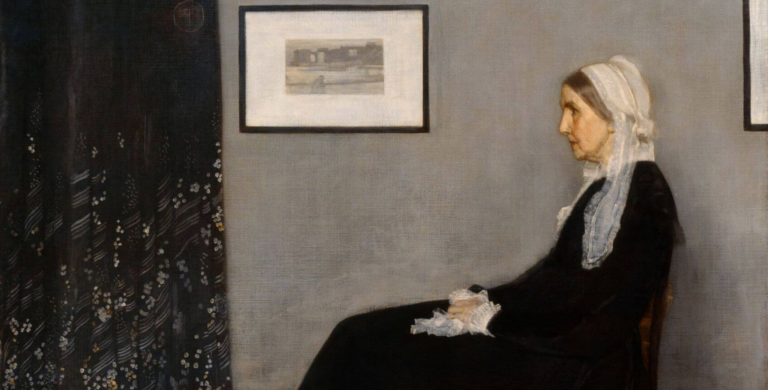
    The Artist’s Mother, Whistler & Philadelphia

    A Return to the Roots Philadelphia Museum of Art – Opening Spring 2023 When James Abbott McNeill Whistler first showcased his evocative portrait of his mother, Anna Matilda McNeill Whistler, at the Pennsylvania Academy of the Fine Arts in 1881, little did the audience know that they were witnessing the birth of an American icon….

  • | | |

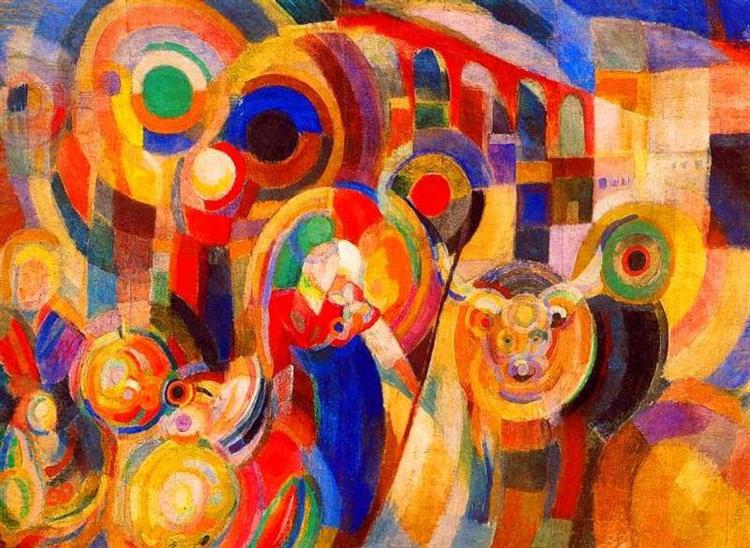
    Sounnay Trilogy – Soundscape

    Bild zwei bald! Sonia Delaunay Baum-Gemälde: Eine Klanglandschaft in drei Teilen Inspiriert von den Baum-Gemälden von Sonia Delaunay schuf ich eine Klanglandschaft, die die Essenz von drei ihrer ikonischsten Werke einfängt. Jedes Gemälde trägt seine eigene visuelle Sprache, und diese in Klang zu übersetzen bedeutete, die Bewegungen zu erforschen, die ihre Kunst prägten....

  • Abstract Art

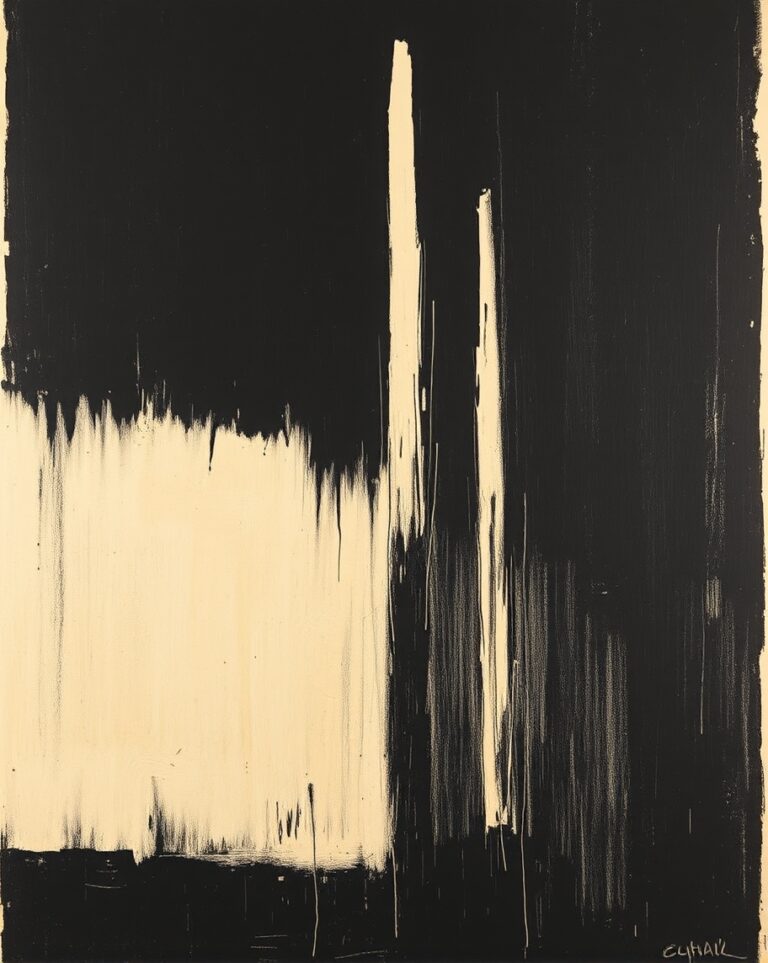
    Abstract art revolutionized painting in the early 20th century, prioritizing shapes, colors, and textures over realistic representation. Pioneered by artists like Malevich, Mondrian, and Pollock, it explores emotion and inner experience. Abstract art continues to influence contemporary movements while encouraging personal interpretation and emotional connection in viewers.

  • | |

    Jef Verheyen

    Jef Verheyen (1932-1984) emerged as a vital figure in post-war European abstract art, focusing on the interplay of light and space. His artistic philosophy emphasized light as a medium for transcending materiality, creating a dialogue with viewers. Influenced by the ZERO movement, his collaborations with artists like Lucio Fontana enriched his exploration of immateriality. Verheyen’s significant works, such as “Le Vide” and “La Durée Peinte,” showcased his unique technique and contributions to abstract art. His enduring legacy inspires contemporary artists to engage with light, color, and spatial dynamics.

  • |

    J.M.W. Turner

    Joseph Mallord William Turner, born in London in 1775, exhibited remarkable talent in art from a young age and entered the Royal Academy at 14. His early works focused on architectural studies and landscapes, showcasing his mastery of light and detail. Over his career, Turner evolved his style, pioneering new techniques that emphasized atmosphere and emotion, significantly influencing Impressionism and modern art. His exceptional works, including “The Fighting Temeraire,” convey the beauty and power of nature. Turner’s legacy remains vital, inspiring generations of artists and shaping the art community.

Schreibe einen Kommentar

Deine E-Mail-Adresse wird nicht veröffentlicht. Erforderliche Felder sind mit * markiert