
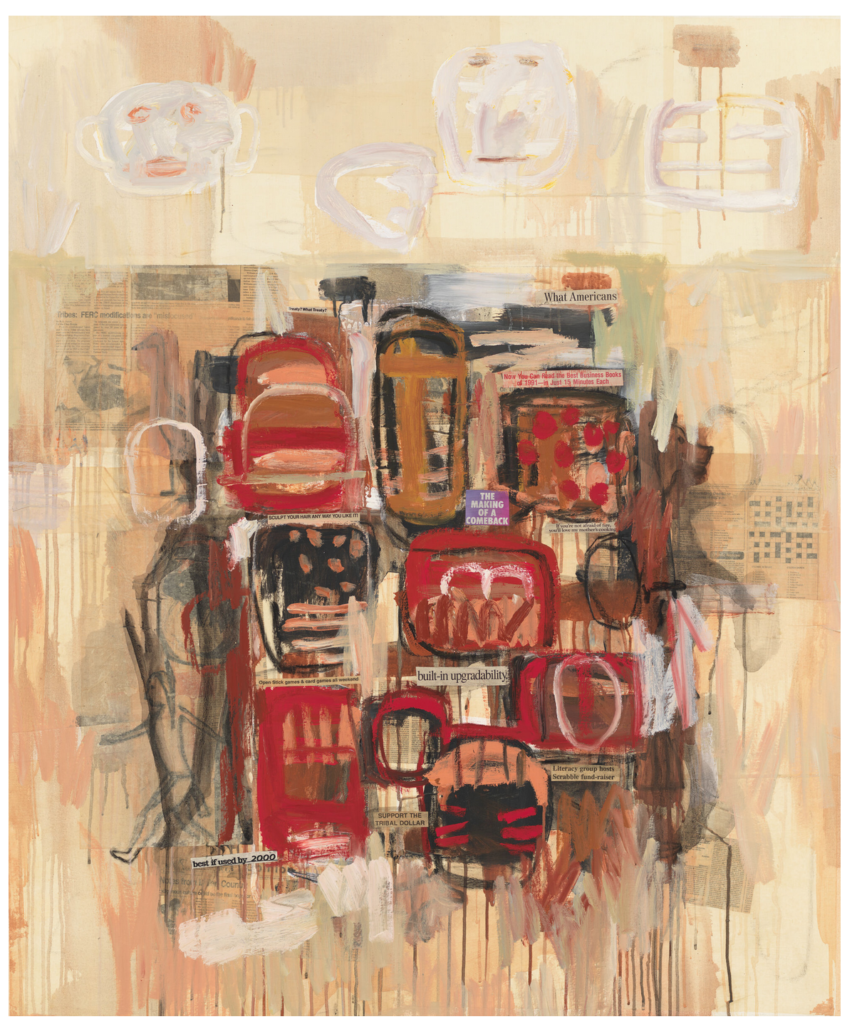
The Whitney Museum of American Art is proud to present Jaune Quick-to-See Smith: Memory Map, the first-ever New York retrospective of the acclaimed artist Jaune Quick-to-See Smith (b. 1940). A member of the Confederated Salish and Kootenai Nation, Smith has long been a trailblazer in the world of contemporary art, employing her unique artistic voice to challenge mainstream narratives and redefine the boundaries of Native American art. This comprehensive exhibition showcases Smith’s illustrious five-decade career, featuring an extensive collection of her drawings, prints, paintings, and sculptures.
An Indigenous Lens on Contemporary Art
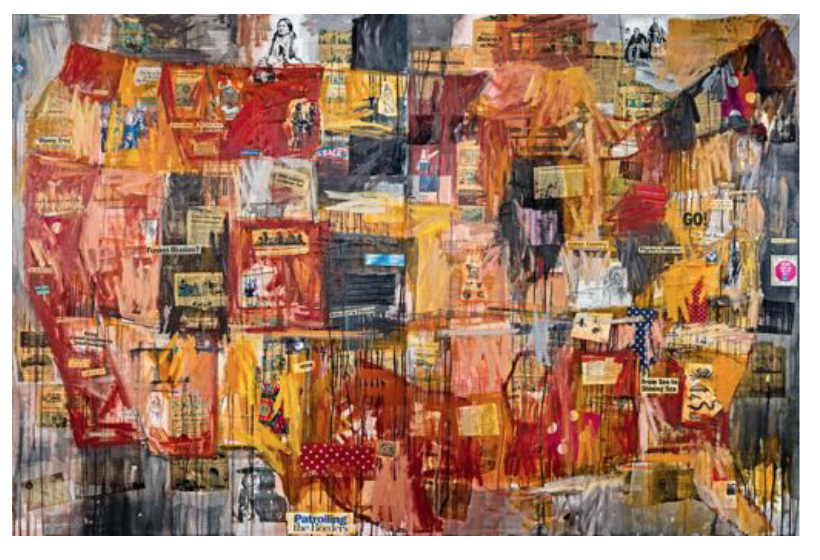
© Jaune Quick-to-See Smith. Photograph by David Bowers
Jaune Quick-to-See Smith’s Unique Perspective
Jaune Quick-to-See Smith’s diverse body of work demonstrates her unique ability to incorporate various artistic styles, such as abstraction, American Pop art, and neo-expressionism, while maintaining a strong connection to her Indigenous roots. By seamlessly fusing these styles with her own cultural practices, Smith adds depth and nuance to her art, transforming it into a powerful reflection of her life’s mission: examining contemporary life in America through a Native lens.
Abstraction
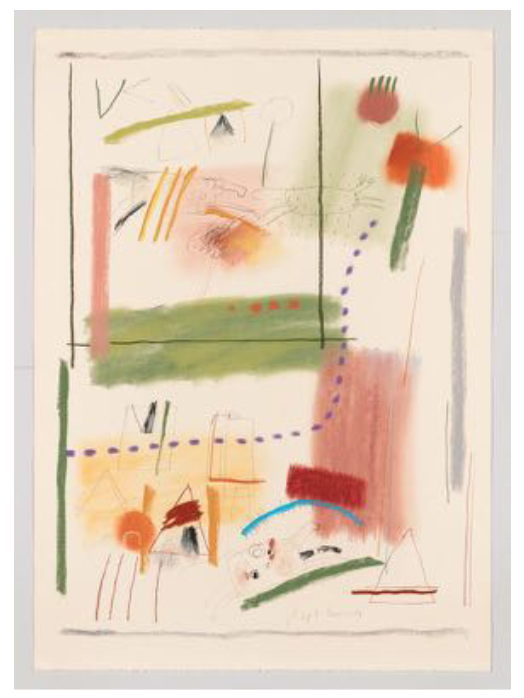
Smith’s use of abstraction allows her to explore complex themes and ideas that go beyond the literal, inviting viewers to delve deeper into the layers of meaning behind her work. Through abstraction, she challenges the traditional Western aesthetic and creates a visual language that resonates with Indigenous sensibilities, blending the boundaries between conventional artistic styles and her own cultural heritage.
American Pop Art
By engaging with American Pop art, Smith reinterprets and reclaims popular imagery from mainstream culture, using it as a means to critique and challenge the consumerism and superficiality prevalent in contemporary American society. By incorporating familiar symbols and imagery in her work, Smith highlights the ironies and contradictions inherent in the dominant culture, exposing the often hidden implications of these cultural artifacts.
Neo-Expressionism
Smith’s adoption of neo-expressionism allows her to bring emotional intensity and rawness to her art, often emphasizing the personal and subjective aspects of her work. This approach provides a powerful means for Smith to express her Indigenous identity and experiences, revealing the emotional weight of the stories she tells through her art.
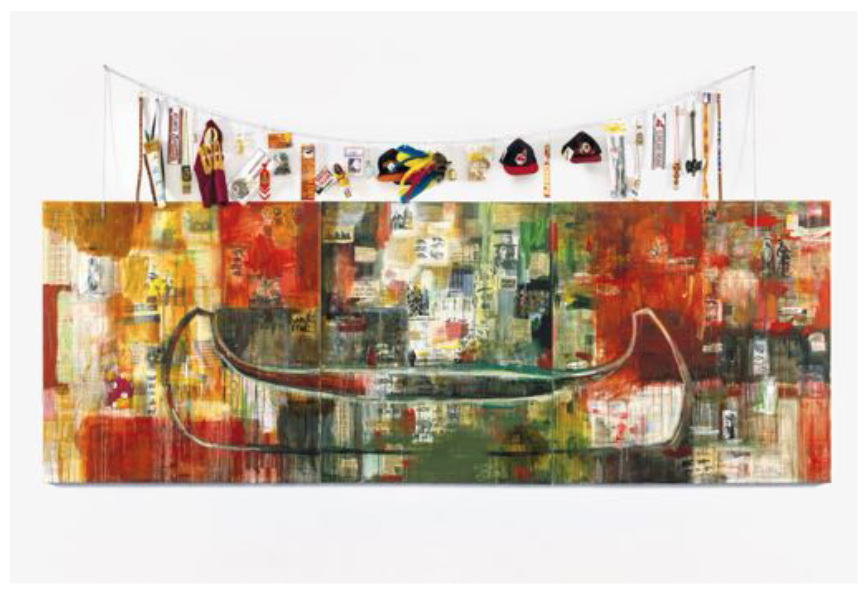
© Jaune Quick-to-See Smith
Wit, Satire, and Humor
One of the most distinctive aspects of Smith’s art is her use of wit, satire, and humor. Through this approach, she subverts conventional historical narratives and exposes the absurdities of dominant cultural formations. Her clever and often biting commentary invites viewers to question their assumptions and consider alternative perspectives on history, culture, and society.
Jaune Quick-to-See Smith’s unique blend of artistic styles, coupled with her deep connection to Indigenous culture, has resulted in a powerful and thought-provoking body of work. By infusing her art with wit, satire, and humor, Smith challenges conventional narratives and invites viewers to engage with contemporary life in America through a Native lens. Her singular approach to art has made her an influential figure in contemporary art and a powerful advocate for Indigenous perspectives.
Mapping Memory, History, and the Environment
Jaune Quick-to-See Smith’s Artistic Contributions
Jaune Quick-to-See Smith, a renowned Indigenous artist, has dedicated her career to exploring themes of mapping, history, and environmentalism. By integrating personal and collective memories into her artwork, Smith has consistently provided fresh perspectives on contemporary Native American art and contributed to vital conversations around land rights, racism, and cultural preservation.
Mapping
Smith’s art often incorporates maps, both literal and metaphorical, to convey the complexities of Indigenous identity and history. By appropriating and reimagining cartographic representations, she highlights the power dynamics that exist in traditional maps, which often prioritize colonial and dominant narratives. Smith’s use of mapping serves as a tool for reclaiming Indigenous stories and perspectives, challenging viewers to reconsider the boundaries and narratives they may take for granted.
History
Through her work, Smith encourages a reexamination of historical narratives, particularly those surrounding Indigenous peoples. By engaging with history from an Indigenous point of view, she exposes the inaccuracies and biases present in mainstream narratives. Smith’s art raises questions about who has the authority to shape history and how marginalized voices can reclaim their place within it. Her work urges viewers to rethink the past from diverse perspectives and promotes a more inclusive understanding of American history.
Environmentalism
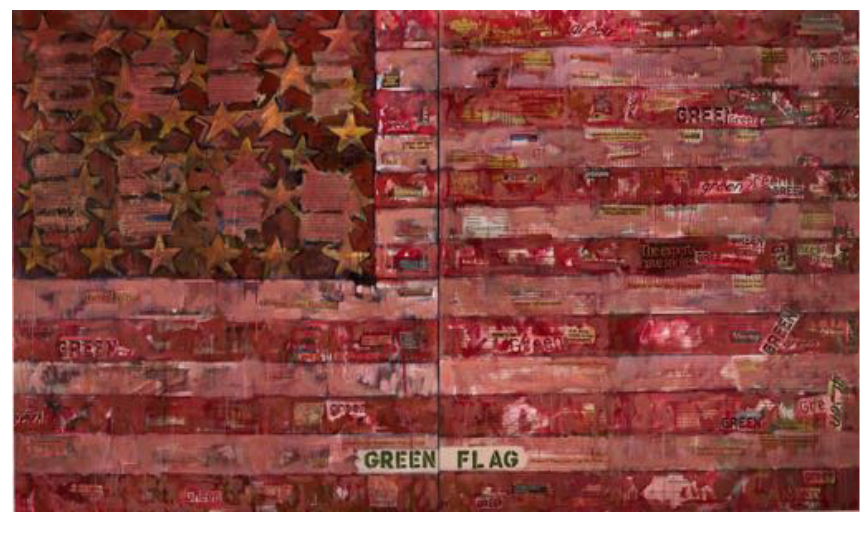
Smith’s commitment to environmentalism is evident in her artwork, which often addresses the interconnectedness between humans and the natural world. Her work emphasizes the importance of preserving and respecting the environment, underscoring the deep connection between Indigenous peoples and their ancestral lands. Smith’s art serves as a powerful reminder of the urgent need for environmental stewardship and the role of Indigenous knowledge in addressing contemporary ecological challenges.
Jaune Quick-to-See Smith’s engagement with themes of mapping, history, and environmentalism has placed her at the forefront of critical conversations surrounding contemporary Native American art. Through her work, Smith has made significant contributions to addressing pressing issues like land rights, racism, and cultural preservation. Her art invites viewers to reconsider dominant narratives and reflect on the importance of Indigenous perspectives in shaping a more inclusive, just, and environmentally responsible society.
A Collaborative Effort
Jaune Quick-to-See Smith: Memory Map is organized by Laura Phipps, Assistant Curator at the Whitney Museum of American Art, with the assistance of Caitlin Chaisson, Curatorial Project Assistant. The exhibition is made possible through the generous support of numerous individuals and organizations, including Judy Hart Angelo, the Carl & Marilynn Thoma Foundation, Lise and Michael Evans, the Henry Luce Foundation, the Horace W. Goldsmith Foundation, Kevin and Rosemary McNeely, Manitou Fund, the Terra Foundation for American Art, and the Whitney’s National Committee.
Additional supporters include Forge Project, Garth Greenan Gallery, Sueyun and Gene Locks, Susan and Larry Marx, Chrissy Taylor and Lee Broughton, Stephanie and Tim Ingrassia, Ashley Leeds and Christopher Harland, Susan Hayden, John and Susan Horseman Collection/Horseman Foundation, The Keith Haring Foundation Exhibition Fund, the National Endowment for the Arts, Brooke Garber Neidich and Daniel M. Neidich, Nancy and Fred Poses, Furthermore: a program of the J. M. Kaplan Fund, and Komal Shah and Gaurav Garg.
Jaune Quick-to-See Smith: Memory Map is a landmark retrospective that celebrates the extraordinary career of a pioneering Indigenous artist. The exhibition serves as a testament to Smith’s enduring influence and relevance in the contemporary art world, and her unwavering commitment to giving voice to Indigenous perspectives. Visitors to the exhibition will leave with a deeper understanding of the power of art to challenge dominant narratives, advocate for social and environmental justice, and provide fresh insights into the human experience.
Whitney Museum of American Art
Jaune Quick-to-See Smith- Memory Map
Apr 19–Aug 13, 2023
© Jaune Quick-to-See Smith


