
A Master of Minimalism

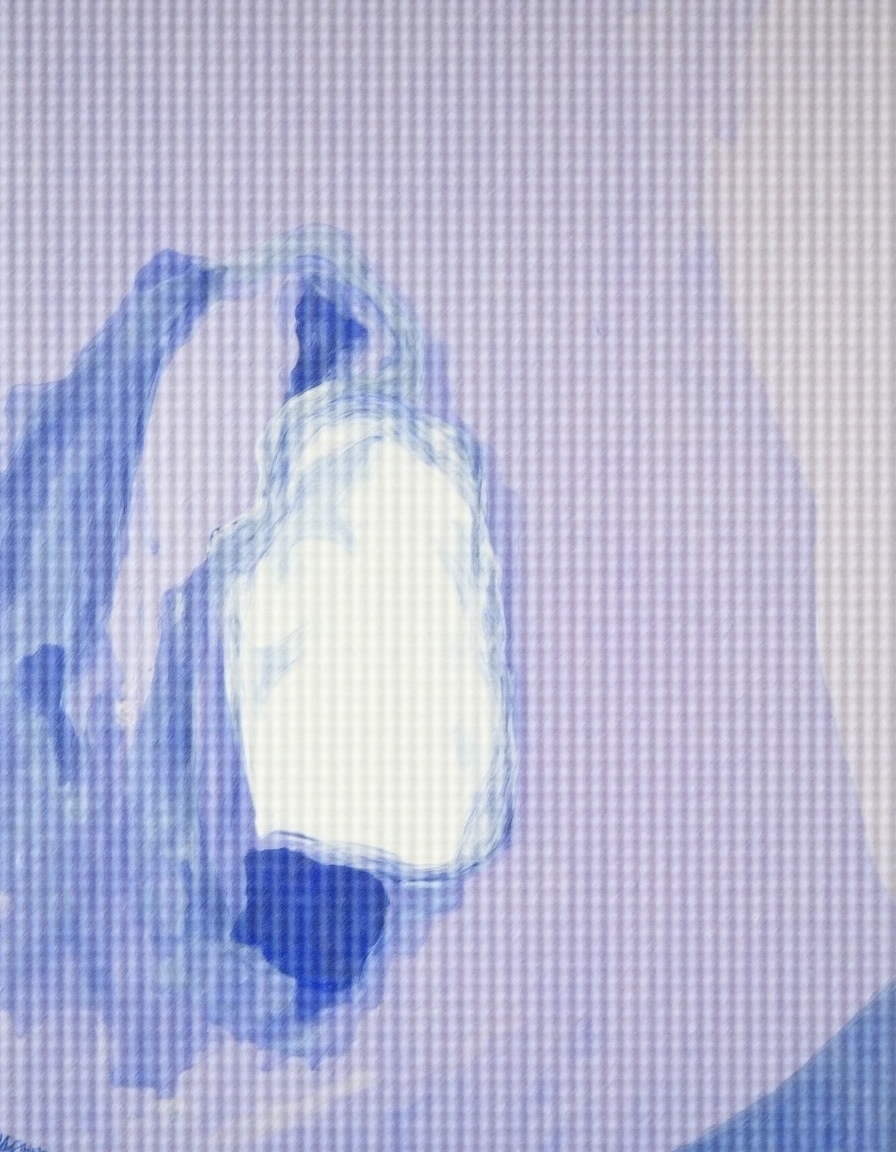
Untitled (diptych), 2015
Willy De Sauter, a prominent Belgian minimalist artist, has made significant contributions to contemporary art with his conceptual approach and exploration of materials and form. Born in 1938 in Brugge, Belgium, De Sauter has lived and worked in Tielt, BE, dedicating his life to pushing the boundaries of painting and art itself??. His work is deeply influenced by modern architecture and is characterized by a reductive approach, focusing on monochromatism and the exploration of materials across mediums such as sculpture, drawing, and painting?.
De Sauter’s artistic journey is marked by numerous solo and group exhibitions that showcase his evolution and the depth of his work. From his early exhibitions in the 1970s to his more recent showcases, De Sauter has displayed his works across Belgium and internationally, engaging with spaces and architecture in a way that transforms the viewing experience??. His exhibitions at prestigious venues like MuHKA in Antwerp and the Museum van Hedendaagse Kunst in Ghent highlight his standing in the art community?.
His artworks, often untitled, utilize materials such as pastel, chalk, pigment, and wood, creating pieces that are not only visually striking but also invite contemplation. The prices for his works vary, reflecting their uniqueness and the appreciation from collectors?.
De Sauter’s contributions extend beyond his individual exhibitions, participating in notable group shows that span the globe, from Art Rotterdam to Art Basel, demonstrating his influence and relevance in the contemporary art scene?.
Through his minimalist approach, Willy De Sauter challenges viewers to engage with the essence of art, stripping away the unnecessary to focus on form, texture, and the interplay of light and shadow. His work is a testament to the power of minimalism in art, inviting a meditative dialogue and a deeper understanding of the materials and forms he so carefully manipulates.
§
Early Life and Education
Willy De Sauter was born in 1938 in Brugge, Belgium, and he has established a significant presence in the realm of contemporary art through his minimalist and conceptual approach. His work is deeply rooted in a rich tradition of abstract representation, where art serves as a vehicle to convey the essence of reality. De Sauter’s artistic vocabulary is notably characterized by a thorough abstraction of forms and structures, drawing heavily from both natural and cultural elements, particularly architecture?.
His artistic journey reflects a meticulous process, where the observation of buildings, monuments, and even photographs often serve as the starting points for his abstract representations. Over the years, De Sauter’s work has evolved into a comprehensive discourse, engaging not only with objects traditionally considered as art but also directly interacting with architectural spaces themselves. This approach raises profound questions about the nature and beginnings of art, positioning De Sauter as a prominent esthetician deeply engaged in exploring the relationship between his works and the spaces they inhabit?.
Although specific details about his early education are not readily available, it is clear that De Sauter’s artistic development has been influenced by a keen observation of the world around him. From his early works, which featured consistent repetitions of line patterns, De Sauter has, since the 1990s, focused on creating monochrome chalk paintings and objects. Despite the minimalist appearance of his works, they are the result of a labor-intensive and meticulous production process?.
De Sauter’s artworks are included in the collections of several prestigious museums, including Museum Voorlinden, M HKA Antwerpen, Groeningemuseum Brugge, and Museum Dhondt-Dhaenens in Deurle, Belgium, attesting to his significant contribution to the field of minimalist and conceptual art?.
Throughout his career, De Sauter has exhibited widely, both in solo and group exhibitions, with notable shows across Belgium and internationally. His exhibitions not only showcase his evolution as an artist but also his capacity to create serene spaces that invite contemplation, functioning as havens within our hectic lives??.
§
Artistic Philosophy
Willy De Sauter’s artistic philosophy is deeply anchored in the principles of minimalism, emphasizing the reduction of form to its most essential elements. This philosophy manifests in a body of work that prioritizes simplicity, focusing intently on texture, color, and the interplay of light and shadow. His artworks, characterized by their monochrome surfaces and subtle textures, invite viewers to engage in a deeper contemplation of the materiality and spatial qualities of the art object.
De Sauter’s approach to art is not merely about aesthetic reduction; it is a profound exploration of the perceptual experiences of the viewer. By stripping away the unnecessary, his work opens up a space for a meditative engagement, encouraging the audience to consider the fundamental aspects of visual experience. This minimalistic approach serves as a vehicle for exploring broader questions about the nature of art, perception, and the essence of reality itself.
The artist’s commitment to minimalism goes beyond the surface level, involving a meticulous and labor-intensive process of creation. His choice of materials, such as chalk and pigment on wood or panel, and the methodical application of these materials, reflect a dedication to craftsmanship and detail. Each piece, while appearing simple at first glance, is the result of a complex process that adds depth and texture, creating a dynamic interplay of light and shadow?.
Moreover, De Sauter’s work is deeply influenced by his observations of architecture and the built environment. His abstract representations often begin as reflections on physical structures, monuments, or photographs, which he then distills into their most abstract forms. This process underscores his interest in the relationship between art and space, and how art can alter or define the perception of space. His installations and works engage directly with their surroundings, challenging viewers to reconsider the spaces they inhabit and the way art can transform those spaces?.
In summary, Willy De Sauter’s artistic philosophy encapsulates a profound inquiry into the essence of perception and the fundamental elements of art. Through his minimalist approach, he invites viewers into a contemplative space, where the focus on texture, color, and light serves as a means to explore deeper existential questions. His work, both in its creation and reception, embodies a meditation on the nature of visual experience, the essence of art, and the capacity of minimalism to evoke a profound emotional and intellectual response.
§
Signature Style and Techniques
Willy De Sauter’s work is a testament to the power of minimalism, where less is indeed more. His signature style and techniques are deeply rooted in the exploration of surface and space, using a restrained palette of materials to achieve profound effects. His work with chalk, plaster, and paint is particularly notable for its ability to evoke a vast range of textures and sensations from seemingly simple compositions.
Materials and Textures
De Sauter’s choice of materials is pivotal to his artistic process. Chalk and plaster, in particular, allow for a depth of texture that becomes the focal point of his work. The use of these materials is not arbitrary; instead, it reflects a deliberate choice to engage with the physicality of the art object. His panels and installations often feature a monochromatic scheme, which further emphasizes the importance of texture over color. This focus on the tactile qualities invites viewers to a closer inspection, encouraging a more intimate and contemplative engagement with the work.
Layering Techniques
One of the hallmark techniques of De Sauter is the application of multiple layers of gesso or chalk. This method is not merely about building up the surface for aesthetic effect; it is a meticulous process that adds complexity and richness to the work. By applying layer upon layer, De Sauter is able to create surfaces that possess an almost sculptural quality, with each layer contributing to the overall depth and luminosity of the piece. This technique requires patience and precision, as the buildup of materials must be carefully controlled to achieve the desired outcome.
Minimalist Canon Contribution
De Sauter’s techniques contribute significantly to the minimalist canon by demonstrating how minimalism can extend beyond the visual to engage the tactile and spatial senses. His work challenges the viewer to reconsider the role of surface and texture in art, suggesting that these elements can carry as much expressive weight as form or color. In the context of minimalism, De Sauter’s approach underscores the movement’s emphasis on the essential qualities of art, stripping away the superfluous to reveal the beauty and complexity of simplicity.
Willy De Sauter’s signature style and techniques are a celebration of minimalism’s potential to provoke deep emotional and intellectual responses through the most basic elements of art. His exploration of texture and space through the layering of materials such as chalk and plaster exemplifies a commitment to the principles of minimalism, where the reduction of form serves to amplify the sensory and conceptual impact of the work. Through his meticulous process and careful consideration of materials, De Sauter invites us into a meditative space, where the subtleties of surface and light reveal the profound possibilities of minimal artistic expression.
§
Major Works and Exhibitions
Willy De Sauter’s body of work encompasses a significant array of solo and group exhibitions that span several decades, showcasing his evolving minimalist approach and the broad international recognition he has garnered. Below is a highlighted overview of his notable exhibitions, which provides insight into the evolution of his work and its reception over time.
Solo Exhibitions
- 1975: Galerie Aksent, Waregem, BE – This early exhibition marks the beginning of De Sauter’s presence in the Belgian art scene, introducing his minimalist aesthetic to a wider audience?.
- 1985: Museum van Hedendaagse Kunst, Ghent, BE – A pivotal solo show at a major museum in Belgium, underscoring his growing influence in contemporary art??.
- 2001: MuHKA, Antwerp, BE – This significant exhibition at the Museum of Contemporary Art in Antwerp further cemented De Sauter’s status in the art world??
- 2020: “Meeting between color fields”, Galerie Mehdi Chouakri, Berlin, GE – Reflecting his international appeal, this show in Berlin showcased De Sauter’s continued exploration of minimalism?.
Group Exhibitions
- 2019: “The Bare Necessity”, Gallery Sofie Van de Velde, Antwerp, BE – De Sauter participated alongside other artists in exploring the essence of minimalism and abstraction?.
- 2020: “Implicit Movement”, Gallery Sofie Van de Velde, Nieuw Zuid, Antwerp, BE and Konrad Fischer Galerie, Düsseldorf, DE – These exhibitions highlighted the dynamism in minimalist art, with De Sauter’s works contributing to the thematic exploration??.
- 2021: “De Perfecte Afstand”, Antwerp, Belgium – Focused on the notion of ideal spatial arrangements, this show further emphasized De Sauter’s engagement with space and architectural elements?.
Retrospectives and Major Exhibitions
While specific retrospectives at the National Museum of Modern Art were not listed, De Sauter’s consistent presence in significant museums and galleries underscores his important contributions to contemporary and minimalist art. His participation in group shows, such as those at BRAFA Art Fair and Art Rotterdam, also highlights the art community’s recognition of his work?.
These exhibitions not only chart the trajectory of De Sauter’s career but also reflect the evolving nature of minimalist art. Through his participation in both national and international shows, De Sauter has maintained a dialogue with the broader movements in contemporary art, influencing and being influenced by the currents of his time.
For more detailed insights into specific exhibitions and works by Willy De Sauter, visiting the official websites of galleries such as Gallery Sofie Van de Velde or institutions like MuHKA can provide comprehensive information and visual documentation of his contributions to the art world.
§
Influence and Legacy
Willy De Sauter’s contribution to the minimalist and conceptual art movements has been profound and far-reaching. His unique approach to minimalism, focusing on the essential elements of form, texture, and light, has set a benchmark for simplicity and depth in contemporary art. His influence extends beyond the visual impact of his work, affecting the way artists, critics, and the public understand and engage with minimalist concepts.
Impact on Artists
De Sauter’s meticulous attention to detail, combined with his philosophical exploration of space and perception, has inspired a generation of artists to explore the boundaries of minimalism. His technique of layering materials such as chalk and gesso to create complex textures has been particularly influential, offering a new vocabulary for artists seeking to express the intangible aspects of space and light. This approach has encouraged artists to consider the materiality of their work, leading to a deeper engagement with the physical and conceptual aspects of art-making.
Influence on Minimalist Expression
De Sauter’s work is a testament to the power of restraint in art. By demonstrating how minimal elements can convey profound meanings, he has expanded the scope of minimalist expression. His emphasis on the sensory experience of art, beyond the visual to include the tactile and spatial, has enriched the minimalist dialogue, bridging the gap between abstraction and the viewer’s experience. This sensory expansion of minimalism has paved the way for new forms of engagement, where the viewer is invited to participate in a more immersive, contemplative experience.
Legacy in Contemporary Art
De Sauter’s legacy in contemporary art is marked by his commitment to exploring the essence of art through minimal means. His influence is evident in the continued interest in minimalist and conceptual art, where the focus on the fundamental elements of art remains a central concern. His work has also contributed to a broader understanding of how art interacts with and transforms space, an aspect that has become increasingly important in contemporary installations and architectural interventions.
Contributions to Art Movements
Within the broader context of minimalist and conceptual art movements, De Sauter’s contributions underscore the versatility and depth of minimalism. His work challenges the perception that minimalism is merely an aesthetic choice, highlighting its potential for philosophical inquiry and emotional resonance. By focusing on the process of creation and the interaction between art and space, De Sauter has enriched the conceptual foundations of minimalism, contributing to its evolution as a dynamic and multifaceted movement.
In conclusion, Willy De Sauter’s influence and legacy in minimalist art extend beyond his individual creations, impacting the development of contemporary art as a whole. His work encourages a deeper appreciation for the nuances of minimalist expression, offering new ways of understanding and experiencing the fundamental elements of art. Through his exploration of texture, space, and light, De Sauter has left an indelible mark on the art world, inspiring future generations to continue the exploration of minimalism’s vast potential.
§
Critical Reception and Analysis
Willy De Sauter’s artistic oeuvre has received considerable acclaim from critics and art historians, who have often focused on his ability to elevate the minimalist ethos to a profound exploration of form, texture, and space. His work, characterized by its seemingly simple materials and compositions, has been widely recognized for its depth and complexity, inviting viewers into a meditative engagement with the essence of perception and the materiality of art.
Emphasis on Materiality and Detail
Critics have frequently noted De Sauter’s meticulous attention to detail, praising his ability to manipulate basic materials such as chalk, gesso, and pigment to create works that resonate with a quiet intensity. The layering technique, a hallmark of his practice, is often highlighted as a method that, while minimalist in appearance, requires a profound engagement with the physical process of art-making. This process underscores the significance of each decision made in the creation of his works, from the choice of materials to the application of each layer, imbuing his pieces with a sense of intentionality and precision.
Understanding of Spatial Dynamics
Another aspect of De Sauter’s work that has garnered critical acclaim is his understanding of spatial dynamics. Art historians and critics alike have commended his ability to engage with and transform space through his minimalist interventions. His installations and panel works are noted for their capacity to alter the viewer’s perception of the surrounding environment, creating a dialogue between the artwork and its architectural context. This interplay between art and space is seen as a critical contribution to the minimalist movement, expanding its boundaries beyond the visual to encompass the experiential and spatial.
Transcendence of Minimalism
The critical reception of De Sauter’s work often centers on his ability to transcend the apparent simplicity of minimalism. By focusing on the sensory experience of his art, De Sauter challenges traditional notions of minimalism as merely an aesthetic or formalist endeavor. Critics have pointed out that his work invites a deeper contemplation, not just of the art object itself, but of the act of perception and the ways in which we engage with art on a sensory level. This philosophical depth, combined with a rigorous exploration of form and material, positions De Sauter as a pivotal figure in the evolution of minimalist art.
In summary, Willy De Sauter’s critical reception underscores his significant impact on contemporary art, particularly within the realms of minimalism and conceptualism. His dedication to exploring the fundamental aspects of art—through a focus on materiality, spatial dynamics, and the sensory experience of the viewer—has not only enriched the minimalist movement but also challenged and expanded its definitions. As such, De Sauter’s work continues to inspire both critical and scholarly discourse, contributing to ongoing discussions about the nature and possibilities of minimalist expression.
§

Untitled, 1983
Historical Exhibitions and Reference List
Key Solo Exhibitions
- 1975: Galerie Aksent, Waregem, BE
- 1985: Museum van Hedendaagse Kunst, Ghent, BE
- 2001: MuHKA, Antwerp, BE
- 2020: “Meeting between color fields”, Galerie Mehdi Chouakri, Berlin, GE?.
Notable Group Exhibitions
- 2019: “The Bare Necessity”, Gallery Sofie Van de Velde, Antwerp, BE
- 2020: “Implicit Movement”, Gallery Sofie Van de Velde, Nieuw Zuid, Antwerp, BE; Konrad Fischer Galerie, Düsseldorf, DE
- 2021: “De Perfecte Afstand”, Antwerp, Belgium?.
References and Further Reading
- Gallery Sofie Van de Velde: Provides information on De Sauter’s exhibitions and works available through the gallery.
- M HKA: The Museum of Contemporary Art Antwerp’s website may offer insights into De Sauter’s contributions to their collections or exhibitions.
- Artsy: A platform that often lists artworks for sale but also provides historical exhibition data and artist biographies.
- Art Databases and Museum Archives: Websites like Artfacts or the Smithsonian’s Archives of American Art can be invaluable for tracing the exhibition history and collecting critical essays on artists.
Willy De Sauter’s contributions to minimalist and conceptual art are well-documented through his extensive exhibition history, both in solo and group shows. Each exhibition serves as a chapter in understanding his artistic evolution and the critical reception of his work. For those interested in a more comprehensive exploration of De Sauter’s career, visiting the suggested galleries, museums, and databases will provide a wealth of information, enriching the appreciation of his impact on contemporary art.
–




Leave a Reply