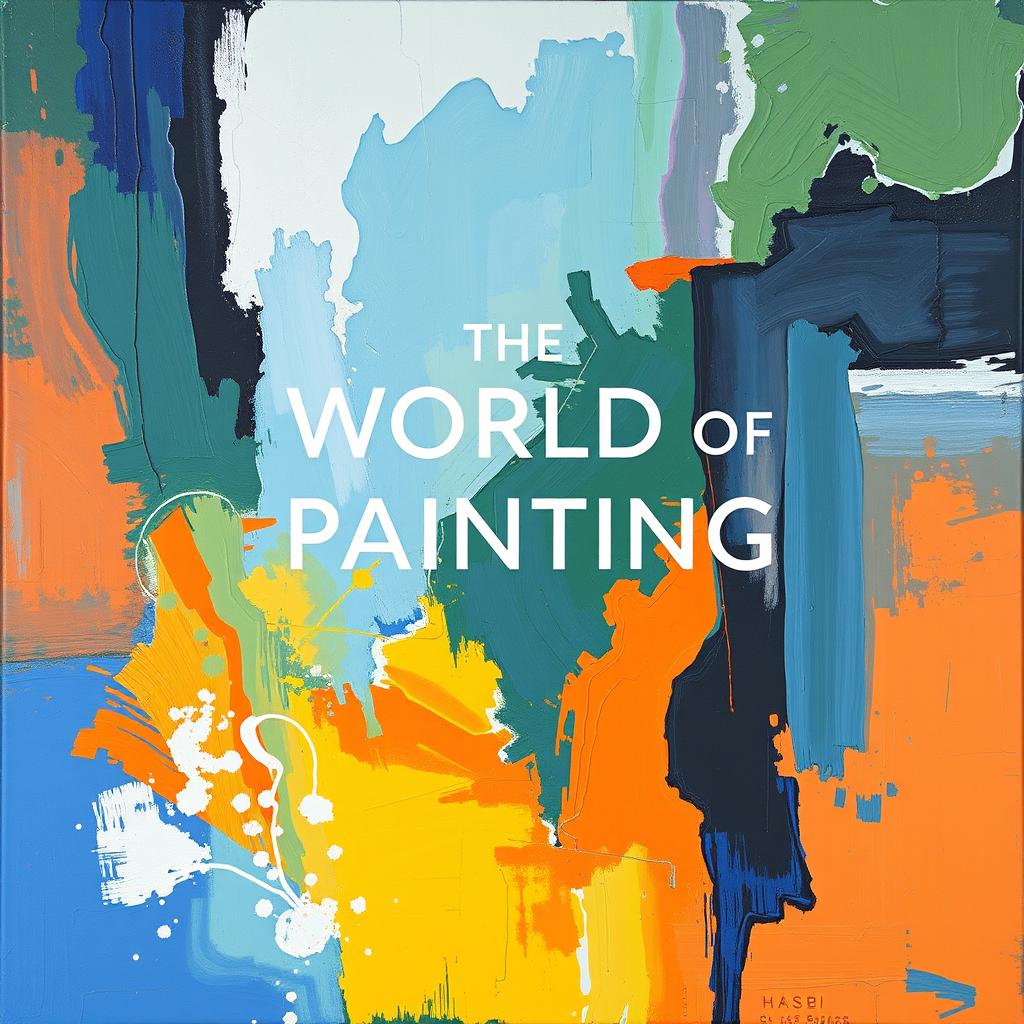
A Journey Through Brush Strokes, Color Palettes, and Creative Connections
Introduction
Painting is more than just an art form; it is a window into the soul, a powerful medium through which emotions, ideas, and visions are brought to life. The world of painting is as diverse as it is deep, encompassing various styles, techniques, and mediums. Whether you’re a seasoned painter or just starting, connecting with fellow painters and enthusiasts can be an enriching experience that deepens your appreciation for the beauty of brush strokes and color palettes. This article will explore the multifaceted world of painting, offering insights into different styles, techniques, and how to connect with others who share your passion.

The Evolution of Painting: From Cave Walls to Canvas
The history of painting is as old as human civilization itself. Early humans used natural pigments to create images on cave walls, depicting scenes from their daily lives. These ancient paintings, such as those found in the Lascaux Caves in France, are a testament to humanity’s innate desire to express and communicate through visual means.
As civilizations advanced, so did the techniques and materials used in painting. The ancient Egyptians painted intricate scenes on the walls of tombs, while the Greeks and Romans developed more sophisticated methods of fresco painting. The Middle Ages saw the rise of religious iconography, with artists creating elaborate works on wood panels and manuscripts.
The Renaissance marked a turning point in the history of painting, with artists like Leonardo da Vinci, Michelangelo, and Raphael pushing the boundaries of realism and perspective. The use of oil paints became more widespread, allowing for greater detail and depth in paintings.
In the centuries that followed, painting continued to evolve, with movements such as Baroque, Romanticism, Impressionism, and Modernism each bringing new techniques and ideas to the forefront. Today, painting is a diverse and dynamic field, encompassing a wide range of styles, mediums, and approaches.
The Language of Painting: Understanding Styles and Techniques
Painting is a language all its own, with each style and technique offering a unique way to convey meaning and emotion. Understanding these different styles and techniques can deepen your appreciation for the art and help you find your own voice as a painter.
Realism
Realism is a style of painting that aims to depict subjects as they appear in real life, with a focus on accuracy and detail. This style was popularized in the 19th century by artists like Gustave Courbet and Jean-François Millet, who sought to portray the everyday lives of ordinary people.
Impressionism
Impressionism emerged in the late 19th century as a response to the rigid academic standards of the time. Artists like Claude Monet, Pierre-Auguste Renoir, and Edgar Degas sought to capture the fleeting effects of light and color in their work. Rather than focusing on precise detail, Impressionist painters used loose brushstrokes and vibrant colors to convey the impression of a scene.
Expressionism
Expressionism is a style of painting that emphasizes the emotional and psychological aspects of a subject. Artists like Edvard Munch and Wassily Kandinsky used bold colors and distorted forms to convey intense feelings and moods. Expressionism is less concerned with realism and more focused on the artist’s inner experience.
Abstract Art
Abstract art is a broad term that encompasses a wide range of styles and approaches. Rather than depicting recognizable subjects, abstract painters use shapes, colors, and textures to create compositions that evoke feelings and ideas. Pioneers of abstract art include artists like Kazimir Malevich, Piet Mondrian, and Jackson Pollock.
Surrealism
Surrealism is a style of painting that seeks to explore the unconscious mind by creating dreamlike, fantastical scenes. Artists like Salvador Dalí and René Magritte used bizarre and often contradictory imagery to challenge perceptions of reality and provoke thought.
Contemporary Painting
Contemporary painting encompasses a wide range of styles and approaches, reflecting the diversity and complexity of the modern world. Many contemporary painters blend traditional techniques with new media and technologies, creating innovative works that push the boundaries of what painting can be.
The Importance of Color: Exploring the Painter’s Palette
Color is one of the most powerful tools in a painter’s arsenal. It can convey mood, create depth, and guide the viewer’s eye through a composition. Understanding how to use color effectively is essential for any painter, whether you’re working in oils, acrylics, watercolors, or any other medium.
The Color Wheel
The color wheel is a fundamental tool for understanding color relationships. It consists of primary colors (red, blue, and yellow), secondary colors (green, orange, and purple), and tertiary colors (combinations of primary and secondary colors). By understanding the relationships between these colors, painters can create harmonious and dynamic compositions.
Color Harmony
Color harmony refers to the pleasing arrangement of colors in a composition. There are several ways to achieve color harmony, including:
- Complementary Colors: Colors that are opposite each other on the color wheel, such as red and green or blue and orange. When used together, complementary colors create a striking contrast.
- Analogous Colors: Colors that are next to each other on the color wheel, such as blue, green, and yellow. Analogous color schemes are often more harmonious and less contrasting.
- Triadic Colors: A color scheme that uses three colors evenly spaced around the color wheel, such as red, blue, and yellow. Triadic color schemes are balanced and vibrant.
Color Temperature
Colors can be classified as warm or cool, depending on their position on the color wheel. Warm colors, such as red, orange, and yellow, tend to evoke feelings of warmth and energy, while cool colors, such as blue, green, and purple, create a sense of calm and serenity. Understanding color temperature can help painters create depth and mood in their work.
Psychology of Color
Color has a profound impact on our emotions and perceptions. Different colors can evoke different feelings and associations. For example, red is often associated with passion and intensity, while blue is associated with calmness and tranquility. By understanding the psychology of color, painters can use it to enhance the emotional impact of their work.
The Techniques of Painting: Mastering the Art of Brush Strokes
The way a painter applies paint to a surface can have a significant impact on the final result. Brush strokes, texture, and layering all play a crucial role in the creation of a painting. Here are some common painting techniques that every painter should know:
Impasto
Impasto is a technique in which thick layers of paint are applied to the canvas, creating a textured surface. This technique was popularized by artists like Vincent van Gogh, who used it to create dynamic, expressive works. Impasto can add depth and dimension to a painting, making the brushstrokes themselves a central element of the composition.
Glazing
Glazing involves applying thin, transparent layers of paint over a dry layer. This technique allows painters to build up color gradually, creating rich, luminous effects. Glazing is often used in oil painting, where it can add depth and complexity to the colors.
Scumbling
Scumbling is a technique in which a thin layer of opaque or semi-opaque paint is applied over a dry layer, allowing some of the underlying color to show through. This creates a soft, diffused effect, often used to depict light and atmosphere.
Dry Brush
The dry brush technique involves using a brush with very little paint to create a rough, textured surface. This technique is often used in oil and acrylic painting to create fine details or to suggest texture in a landscape or portrait.
Sgraffito
Sgraffito is a technique in which the painter scratches through a layer of wet paint to reveal the layer beneath. This technique can be used to create intricate patterns and textures, adding a unique element to the painting.
Wet-on-Wet
Wet-on-wet is a technique in which wet paint is applied onto a wet surface, allowing the colors to blend and mix directly on the canvas. This technique is often used in watercolor painting, where it can create soft, flowing effects.
The Process of Painting: From Concept to Completion
The process of creating a painting involves several stages, from the initial concept to the final brushstroke. While every painter’s process is unique, there are some common steps that can help guide your work.
1. Inspiration and Concept
Every painting begins with an idea or inspiration. This could be anything from a scene in nature, a photograph, a memory, or an abstract concept. Before you start painting, take some time to develop your idea and think about what you want to convey in your work.
2. Sketching and Planning
Once you have a concept in mind, it’s helpful to create a preliminary sketch or study. This allows you to work out the composition, proportions, and overall design of the painting before committing to the final piece. Some painters also create color studies or small practice paintings to test out their ideas.
3. Preparing the Surface
Before you start painting, you’ll need to prepare your canvas or other surface. This might involve priming the surface with gesso, stretching the canvas, or applying an underpainting. Preparing the surface properly is essential for achieving the best results in your final painting.
4. Blocking in Colors
Once your surface is ready, you can begin blocking in the main colors and shapes of the painting. This stage involves applying broad areas of color to establish the overall composition and color scheme. At this point, focus on the general shapes and values rather than fine details.
5. Developing the Painting
After blocking in the colors, you can start developing the painting by adding more detail, refining the shapes, and building up the layers of paint. This stage involves working on different areas of the painting, adjusting colors, and refining the brushwork.
6. Finishing Touches
The final stage of the painting process involves adding the finishing touches that bring the piece together. This might include adding highlights, refining details, and making any final adjustments to the composition or colors. It’s also a good time to step back and assess the painting as a whole, making sure it communicates your intended message.
7. Varnishing and Framing
Once your painting is complete and fully dry, you may choose to varnish it to protect the surface and enhance the colors. Varnishing also gives the painting a finished, professional appearance. Finally, consider framing your painting to showcase it in the best possible light.

Connecting with Fellow Painters and Art Enthusiasts
One of the most rewarding aspects of being a painter is the opportunity to connect with others who share your passion for art. Whether you’re looking for feedback, inspiration, or simply a sense of community, there are many ways to connect with fellow painters and art enthusiasts.
Art Schools and Workshops
Art schools and workshops are excellent places to meet other painters and learn from experienced instructors. Many art schools offer classes in various painting techniques, styles, and mediums, providing a structured environment for learning and growth. Workshops, on the other hand, are often shorter, more focused sessions that allow you to dive deep into a specific topic or technique.
Art Societies and Clubs
Joining an art society or club can provide you with a sense of belonging and a network of fellow artists. Many art societies hold regular meetings, exhibitions, and events where members can share their work, exchange ideas, and learn from one another. Whether you’re interested in traditional painting, abstract art, or any other style, there’s likely a group out there that shares your interests.
Online Art Communities
The internet has made it easier than ever to connect with other painters and art enthusiasts from around the world. Online art communities, such as forums, social media groups, and dedicated art platforms, offer a space to share your work, receive feedback, and connect with like-minded individuals. Websites like DeviantArt, ArtStation, and Instagram are popular platforms for artists to showcase their work and engage with others.
Art Exhibitions and Galleries
Attending art exhibitions and visiting galleries can be a great way to connect with other artists and art lovers. These events provide an opportunity to see a wide range of work, meet other painters, and gain inspiration from the creativity on display. Many galleries also host artist talks, workshops, and networking events that can help you build connections in the art world.
Collaborative Projects
Collaborating with other artists on a project can be a deeply rewarding experience that pushes you to grow and explore new ideas. Whether it’s a group exhibition, a mural, or a collaborative painting, working with others can lead to exciting creative synergies and lasting friendships.
Art Residencies and Retreats
Art residencies and retreats offer painters the opportunity to immerse themselves in their work while connecting with other artists. These programs often provide a space to focus on your art, free from the distractions of daily life, and offer the chance to engage with other artists in a supportive, collaborative environment.
The Power of Feedback and Critique
Receiving feedback and critique is an essential part of the artistic process. Constructive criticism can help you see your work from a new perspective, identify areas for improvement, and grow as an artist. However, it’s important to approach feedback with an open mind and a willingness to learn.
When seeking feedback, consider sharing your work with other painters, art teachers, or online art communities. Be specific about the kind of feedback you’re looking for, whether it’s about composition, color, technique, or the overall impact of the piece.
At the same time, remember that art is subjective, and not all feedback will resonate with you. It’s important to stay true to your vision while being open to new ideas and suggestions.
The Role of Inspiration in Painting
Inspiration is the driving force behind every painting. It can come from many sources, including nature, music, literature, personal experiences, and the work of other artists. Finding and nurturing inspiration is key to maintaining your creative energy and producing meaningful work.
Nature and the Environment
Many painters find inspiration in the natural world, from the changing colors of the seasons to the play of light on water. Spending time outdoors, whether hiking in the mountains or simply walking through a park, can provide a wealth of visual stimuli to fuel your creativity.
Art and Literature
The work of other artists, whether painters, writers, or musicians, can be a powerful source of inspiration. Visiting museums, reading art books, or listening to music can spark new ideas and open your mind to different ways of seeing the world.
Personal Experiences
Personal experiences, memories, and emotions often provide the deepest and most authentic inspiration for a painter. Reflecting on your own life and the people and places that have shaped you can lead to powerful, evocative work that resonates with others.
Travel and New Experiences
Traveling to new places and experiencing different cultures can be a rich source of inspiration for painters. Whether it’s the architecture of a foreign city, the colors of a local market, or the landscapes of a distant land, travel can open your eyes to new possibilities and refresh your creative spirit.
Overcoming Creative Blocks: Strategies for Painters
Every artist faces creative blocks from time to time. Whether it’s a lack of inspiration, self-doubt, or frustration with your work, these blocks can be challenging to overcome. However, there are several strategies that can help you break through and get back to painting.
1. Take a Break
Sometimes, the best way to overcome a creative block is to step away from your work for a while. Taking a break allows you to clear your mind, recharge your energy, and return to your painting with fresh eyes. Engage in other activities you enjoy, such as reading, exercising, or spending time with friends, to help reset your creativity.
2. Experiment with New Techniques
Trying out new techniques or mediums can help reignite your creativity and push you out of your comfort zone. Experiment with different brushes, color palettes, or styles to see where it leads. The process of exploration can open up new possibilities and lead to unexpected breakthroughs.
3. Set Small Goals
If you’re feeling overwhelmed by a large project or struggling to start a new painting, try setting small, manageable goals. Break down the process into smaller steps, such as sketching, blocking in colors, or focusing on a specific area of the painting. Achieving these smaller goals can build momentum and help you overcome the block.
4. Seek Inspiration
When you’re feeling stuck, revisit the sources of inspiration that have fueled your work in the past. Whether it’s a favorite artist, a particular place, or a personal memory, reconnecting with your sources of inspiration can help you find your creative spark.
5. Engage with Other Artists
Talking to other artists and sharing your struggles can be incredibly helpful when dealing with a creative block. They may offer advice, share their own experiences, or simply provide a supportive ear. Sometimes, just knowing that others have faced similar challenges can help you move forward.
6. Embrace Imperfection
Perfectionism can be a major obstacle to creativity. If you’re constantly striving for perfection, you may find it difficult to start or complete a painting. Instead, embrace imperfection as part of the creative process. Allow yourself to make mistakes, experiment, and learn from the experience.
The Business of Painting: Turning Passion into Profession
For many painters, the dream is to turn their passion into a profession. Whether you’re interested in selling your work, teaching, or working as a professional artist, there are several paths you can take to build a successful career in painting.
Selling Your Work
Selling your paintings is one of the most direct ways to make a living as an artist. There are many avenues for selling your work, including galleries, online platforms, art fairs, and commissions.
- Galleries: Working with galleries can provide exposure and credibility for your work. Many galleries represent artists and help them sell their work to collectors. However, getting into a gallery can be competitive, and galleries typically take a commission on sales.
- Online Platforms: The internet has opened up new opportunities for artists to sell their work directly to buyers. Websites like Etsy, Saatchi Art, and Redbubble allow you to showcase your paintings and reach a global audience.
- Art Fairs: Participating in art fairs and markets can be a great way to connect with potential buyers and showcase your work in person. These events often attract art collectors, interior designers, and other art enthusiasts.
- Commissions: Many artists take on commissioned work, creating custom paintings for clients. Commissions can be a steady source of income and provide an opportunity to work on unique projects.
Teaching and Workshops
Teaching art can be a rewarding way to share your skills and knowledge with others while earning an income. Many artists teach classes or workshops at art schools, community centers, or online. Teaching allows you to connect with students, share your passion for painting, and inspire others to develop their creative abilities.
Working as a Professional Artist
Some painters work as professional artists, creating commissioned work for clients, collaborating on public art projects, or working with interior designers and architects. This career path often involves a mix of creative work and business skills, including marketing, client relations, and project management.
Building Your Brand
As an artist, building your personal brand is essential for establishing a successful career. Your brand is how you present yourself and your work to the world, and it encompasses everything from your portfolio and website to your social media presence and artist statement.
- Portfolio: Your portfolio is a curated selection of your best work, showcasing your skills, style, and range as an artist. It’s important to keep your portfolio updated and tailored to the audience you’re trying to reach, whether it’s galleries, collectors, or potential clients.
- Website: A professional website is an essential tool for promoting your work and connecting with potential buyers or clients. Your website should include your portfolio, artist statement, biography, and contact information, as well as any upcoming exhibitions or events.
- Social Media: Social media platforms like Instagram, Facebook, and Twitter offer powerful tools for promoting your work and building an online following. Regularly sharing your paintings, process, and inspiration can help you connect with a wider audience and attract potential buyers or collaborators.
- Artist Statement: Your artist statement is a brief description of your work, including your inspiration, themes, and techniques. A well-crafted artist statement can help viewers understand and connect with your paintings on a deeper level.
The Joy of Painting: Embracing the Creative Journey
At its core, painting is about joy—the joy of creation, expression, and connection. Whether you’re a professional artist or someone who paints for pleasure, the act of painting offers a unique opportunity to explore your inner world, engage with your surroundings, and communicate your vision to others.
The journey of a painter is one of continuous learning, growth, and discovery. It’s about experimenting with new techniques, exploring different styles, and finding your own voice as an artist. It’s also about connecting with others who share your passion, whether through collaborations, exhibitions, or simply a shared appreciation for the beauty of art.
In the end, painting is a deeply personal and fulfilling endeavor. It’s a way to express who you are, what you feel, and how you see the world. It’s a journey that offers endless possibilities, and one that invites you to keep exploring, creating, and connecting with others who appreciate the beauty of brush strokes and color palettes.
§
Painting is more than just an art form; it’s a way of life. Whether you’re creating a masterpiece or simply experimenting with colors, the act of painting allows you to tap into your creativity and express yourself in ways that words cannot. By connecting with fellow painters and art enthusiasts, you can share your journey, gain inspiration, and continue to grow as an artist.
As you explore the world of painting, remember that every brushstroke, every color choice, and every creative decision is a step on your artistic journey. Embrace the process, celebrate your progress, and enjoy the connections you make along the way. The world of painting is vast and full of possibilities—dive in and discover the beauty that lies within your own creativity.

§




Leave a Reply