Exploring Visual and Performing Arts in Depth
Introduction
Art has been an integral part of human existence for thousands of years. From the earliest cave paintings to modern digital creations, art serves as a universal language that transcends cultures, time periods, and geographic boundaries. But what exactly is art, and why is it so essential to human culture?
The Definition and Importance of Art
Art can be broadly defined as any form of human expression that conveys emotions, ideas, or narratives through visual, auditory, or performance-based mediums. It encompasses everything from traditional painting and sculpture to music, dance, and film. While definitions of art may vary, one thing remains constant: its ability to evoke emotions, inspire change, and shape societies.
At its core, art reflects human experiences. It captures the beauty, struggles, and complexities of life, serving as a mirror to society and an archive of history. Whether in the form of a Renaissance masterpiece, an abstract painting, a thought-provoking film, or a powerful symphony, art has the power to move and transform individuals.
The Role of Creativity in Society and Personal Expression
Creativity is the driving force behind all artistic endeavors. It allows individuals to explore their imagination, push boundaries, and communicate beyond words. Art provides a platform for self-expression, helping people share their innermost thoughts and emotions with the world.
Beyond personal expression, creativity plays a crucial role in society. It fosters innovation, challenges norms, and influences cultural and political landscapes. Throughout history, art has been used to advocate for social justice, challenge authority, and inspire revolutions. From Picasso’s Guernica, which condemned the horrors of war, to protest songs that have fueled civil rights movements, art has always been a powerful tool for change.
A Journey Through the Forms of Art
Art is a vast and diverse field that can be categorized into two major domains: visual arts and performing arts.
- Visual Arts: This includes painting, photography, sculpture, and video art—forms that rely on visual elements to communicate meaning.
- Performing Arts: Encompassing music, theater, dance, and film, performing arts bring stories and emotions to life through movement, sound, and performance.
- The Intersection of Art and Technology: With the rise of digital media, AI-generated art, and virtual reality, art is continuously evolving, blending traditional techniques with modern innovations.
In this article, we will explore these different forms of art, their historical significance, and their impact on society today. From the timeless beauty of a painted canvas to the immersive experience of a cinematic masterpiece, art is an ever-evolving force that shapes how we see and interact with the world.
By the end of this journey, you will have a deeper appreciation for the essence of art and its undeniable influence on human culture.
I. The World of Visual Arts
1. Painting
Painting is one of the oldest and most revered forms of artistic expression. It has evolved over millennia, reflecting cultural shifts, technological advancements, and individual creativity. Whether through traditional oil on canvas or cutting-edge digital mediums, painting continues to captivate audiences and inspire artists worldwide.
A Brief History of Painting
Painting dates back to prehistoric times, when early humans used natural pigments to depict hunting scenes on cave walls. These rudimentary images, such as those found in Lascaux, France, were humanity’s first attempt at storytelling through visual art.
As civilizations developed, so did painting techniques and styles:
- Ancient Egypt and Greece: Egyptian tomb paintings were highly symbolic, while Greek painters developed perspective and realism, setting the foundation for classical art.
- The Renaissance (14th–17th Century): This period marked a golden age of painting, with masters like Leonardo da Vinci, Michelangelo, and Raphael pioneering techniques such as chiaroscuro (light and shadow) and linear perspective.
- Impressionism (19th Century): Artists like Claude Monet and Pierre-Auguste Renoir broke from rigid academic traditions, using quick, visible brushstrokes to capture fleeting moments of light and movement.
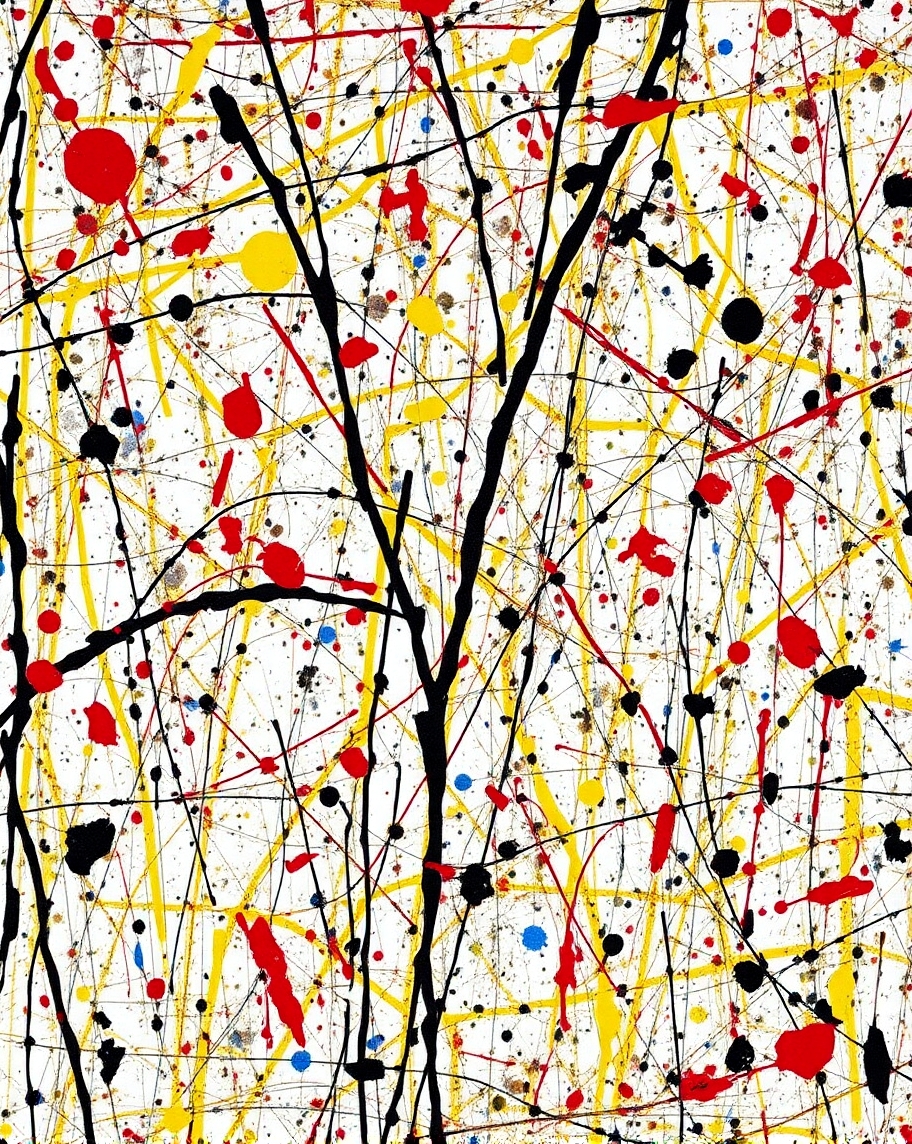
- Modern and Abstract Art (20th Century): The rise of abstract expressionism, cubism, and surrealism challenged traditional notions of representation. Figures like Pablo Picasso, Jackson Pollock, and Salvador Dalí introduced bold new approaches to composition and meaning.
Today, painting continues to evolve, incorporating digital tools and AI-driven techniques while maintaining its deep historical roots.
Techniques and Styles
Painting techniques vary widely, depending on materials, application methods, and artistic intent. Some of the most significant painting styles include:
- Oil Painting: Known for its rich texture and deep colors, oil painting has been a favored medium since the Renaissance. Artists like Rembrandt and Van Gogh mastered its use to create depth and realism.
- Watercolor: Light and fluid, watercolors are often used for landscapes and delicate compositions. Artists like J.M.W. Turner demonstrated its potential for atmospheric effects.
- Acrylic Painting: A more modern alternative to oil, acrylics dry quickly and allow for versatility in texture and layering.
- Fresco: A technique where pigment is applied to wet plaster, used famously by Michelangelo in the Sistine Chapel.
- Digital Painting: With the rise of technology, software like Photoshop and Procreate has enabled artists to create stunning digital works, blending traditional techniques with new possibilities.
Each style has its own expressive potential, influencing how artists communicate their vision.
Painting in the Digital Age
The 21st century has seen a massive shift in how paintings are created and consumed. Digital painting and AI-generated art have expanded the definition of what painting can be.
- AI and Machine Learning in Art: Programs like DeepDream and DALL·E generate unique artworks, challenging ideas of authorship and creativity.
- Tablet and Stylus Art: Digital tools have democratized painting, allowing artists to create complex works with precision and flexibility.
- NFTs and Blockchain Art: Digital artists can now sell their works as NFTs (non-fungible tokens), transforming how art is valued and collected.
While some argue that digital art lacks the authenticity of traditional methods, others see it as a natural evolution of the medium. Whether through a paintbrush or a stylus, the act of painting remains a powerful means of expression.
2. Photography
Photography is a unique art form that captures moments in time, preserving them for generations. Unlike painting or sculpture, photography relies on the lens of a camera to document reality, yet it remains deeply intertwined with artistic expression. Whether used for artistic purposes, journalism, or personal storytelling, photography has revolutionized the way we see and interpret the world.
Evolution of Photography
The history of photography dates back to the early 19th century when inventors sought ways to capture images permanently.
- Daguerreotypes (1830s-1850s): The earliest photographic process, invented by Louis Daguerre, used a silver-plated copper sheet to create highly detailed images. However, it required long exposure times and was expensive.
- Glass Plate and Film Photography (1850s-1900s): Advances like the wet plate collodion process made photography more accessible. By the late 19th century, George Eastman introduced flexible film, leading to the rise of consumer cameras like the Kodak Brownie.
- Color Photography (1900s-1950s): Although experiments in color photography began in the 19th century, the Kodachrome film (1935) made color images widely available.
- Instant Photography (1948-Present): Polaroid cameras introduced instant development, making photography more spontaneous and user-friendly.
- Digital Photography (1990s-Present): The shift from film to digital technology transformed photography, allowing for instant review and editing. Today, smartphones, DSLRs, and mirrorless cameras capture images in ultra-high resolution.
Beyond technical advancements, photography has played a pivotal role in journalism, shaping public opinion and documenting historical events. Iconic images, such as those from World War II, the Civil Rights Movement, and modern conflicts, highlight the medium’s power to evoke emotions and inspire change.
Artistic vs. Documentary Photography
Photography blurs the line between objective reality and artistic interpretation. While some photographers aim to capture the world as it is, others manipulate images to create surreal or stylized works.
- Documentary Photography: This genre seeks to tell real stories without alteration. Figures like Dorothea Lange (Migrant Mother, 1936) and Steve McCurry (Afghan Girl, 1984) captured raw human experiences that resonated worldwide.
- Art Photography: Unlike documentary work, art photography often prioritizes composition, lighting, and mood over realism. Cindy Sherman, Annie Leibovitz, and Man Ray are among the photographers who turned the medium into fine art.
- Street Photography: Artists like Henri Cartier-Bresson mastered the ability to capture everyday moments with artistic spontaneity, emphasizing composition and storytelling.
Both styles contribute to photography’s broader purpose—capturing and interpreting the world in different ways.
The Power of Visual Storytelling
Photography is more than just an image; it is a powerful storytelling tool that conveys emotions, perspectives, and untold stories.
- Capturing Emotion: A single photograph can express joy, grief, nostalgia, or defiance, evoking deep emotions in the viewer.
- Framing a Narrative: The angle, lighting, and subject placement can transform an ordinary scene into a compelling story.
- Preserving History: Iconic photographs serve as cultural milestones, from the moon landing to protests and revolutions.
With the rise of social media and digital platforms, photography’s role in storytelling has expanded. Whether through professional photojournalism or personal Instagram posts, the ability to tell stories through images is more accessible than ever.
Sculpture
Is one of the oldest and most enduring forms of artistic expression, transforming raw materials into three-dimensional masterpieces that capture the human experience. From towering ancient statues to intricate modern installations, sculpture has played a crucial role in shaping cultural and artistic identities throughout history.
Historical Significance
The history of sculpture spans thousands of years, evolving alongside civilizations and artistic movements.
- Ancient Civilizations (Prehistory – 5th Century BCE): Early sculptures were often religious or symbolic, such as the small Venus figurines representing fertility or the colossal Egyptian statues honoring pharaohs.
- Classical Greek and Roman Sculpture (5th Century BCE – 5th Century CE): Greek artists, including Phidias and Praxiteles, mastered realism, emphasizing anatomical accuracy and idealized human forms (e.g., the Venus de Milo). The Romans later adopted and refined these styles, creating lifelike busts and grand statues.
- Medieval and Renaissance Sculpture (5th – 17th Century): During the Middle Ages, religious sculptures adorned cathedrals, while the Renaissance revived classical ideals, leading to the works of Michelangelo (David, Pietà).
- Modern and Contemporary Sculpture (18th Century – Present): The Industrial Revolution introduced new materials and techniques. Abstract and conceptual art flourished in the 20th century with Henry Moore, Auguste Rodin, and later, installation artists like Anish Kapoor and Jeff Koons pushing the boundaries of traditional sculpture.
From monumental religious statues to avant-garde public art, sculpture has continuously adapted to reflect societal changes and artistic innovation.
Materials and Techniques
Sculpture is defined by its materials and the methods used to shape them. Traditional and modern techniques allow artists to bring their visions to life.
- Marble: This classic medium, used extensively by Greek and Renaissance artists, allows for intricate details and a smooth finish (e.g., Michelangelo’s David).
- Bronze: A durable material, often used for casting, bronze sculptures like Rodin’s The Thinker showcase fine details and permanence.
- Wood: Woodcarving is one of the oldest sculptural techniques, used in tribal art, religious statues, and contemporary works.
- Clay: Clay sculptures, including terracotta warriors of China, are malleable and allow artists to experiment before casting in metal or stone.
- 3D Printing and Digital Sculpting: Modern technology has revolutionized sculpture, enabling intricate and experimental forms that were previously impossible. Artists now use digital modeling software and 3D printing to create futuristic designs.
Each material and technique contributes to the sculptor’s ability to convey texture, movement, and emotion, making sculpture one of the most tactile and engaging art forms.
The Role of Public Sculptures
Sculpture extends beyond galleries and museums, shaping urban environments and public spaces.
- Defining Cityscapes: Iconic sculptures like the Statue of Liberty (New York), Christ the Redeemer (Brazil), and The Little Mermaid (Copenhagen) have become synonymous with their locations.
- Commemorating History: War memorials, statues of historical figures, and cultural monuments serve as reminders of collective memory and heritage (e.g., the Lincoln Memorial).
- Interactive and Conceptual Art: Modern public sculptures encourage interaction, such as Cloud Gate (“The Bean”) in Chicago, inviting visitors to engage with art beyond passive viewing.
- Environmental and Land Art: Some artists use natural elements to integrate sculpture into landscapes, creating works that change with time (e.g., Andy Goldsworthy’s nature-based installations).
Public sculptures are more than artistic statements; they shape how people experience and navigate urban and natural spaces, blending history, culture, and creativity.
Video Art
Video art is a powerful and evolving medium that challenges traditional artistic boundaries, blending elements of film, performance, and digital technology. Unlike mainstream cinema, which is often narrative-driven, video art focuses on experimental, conceptual, and immersive experiences. It has become a vital form of contemporary expression, redefining how audiences interact with visual storytelling.
The Birth of Video as an Art Form
Video art emerged in the 1960s and 1970s as artists began experimenting with new technologies, challenging conventional artistic practices. Unlike traditional filmmaking, which focused on storytelling and entertainment, video art emphasized abstraction, time-based expression, and audience engagement.
- Early Experimental Films (1920s-1950s): Before video art became a distinct genre, filmmakers like Man Ray, Maya Deren, and Stan Brakhage experimented with non-narrative and avant-garde techniques.
- The Arrival of Video Technology (1960s): The invention of portable video recording devices, such as the Sony Portapak, allowed artists to work outside the constraints of Hollywood-style production. Artists like Nam June Paik, often called the “father of video art,” used video manipulation, distortion, and television broadcasts to create dynamic visual works.
- Video Installations and Performance Art (1970s-1980s): Artists such as Bill Viola and Bruce Nauman integrated video into installations, creating immersive experiences that blurred the line between art and audience participation.
Video art challenged the traditional art world by incorporating technology, breaking the limitations of static visual forms, and offering artists new ways to engage with contemporary culture.
Contemporary Video Artists
Today, video art continues to push boundaries, incorporating cutting-edge technology, virtual reality, and AI-generated visuals. Several artists have played a key role in shaping the evolution of video as an art form:
- Bill Viola: Known for his poetic and spiritual video installations, Viola’s works explore human consciousness, memory, and transformation.
- Pipilotti Rist: A pioneer in using color, music, and dreamlike imagery, Rist’s video installations create immersive experiences that challenge perceptions of space and reality.
- Hito Steyerl: Focuses on digital culture, surveillance, and media manipulation, questioning how video and technology shape contemporary society.
- Christian Marclay: His famous work The Clock (2010) is a 24-hour video montage of movie scenes featuring clocks, exploring time and cinematic history.
These artists, among others, use video as a medium to explore human experience, identity, and the impact of digital culture.
The Intersection of Video and Digital Media
The rise of digital technology has expanded the possibilities of video art, merging it with interactive media, animation, and artificial intelligence.
- Blending Video with Animation: Artists incorporate CGI, motion graphics, and hand-drawn animation into video projects, creating visually stunning hybrid forms.
- Interactive and VR Art: Virtual reality (VR) and augmented reality (AR) have given rise to immersive video experiences where viewers can step inside an artwork (e.g., Laurie Anderson’s VR projects).
- AI and Algorithmic Art: Machine learning is being used to generate video art, raising questions about authorship and creativity (e.g., AI-generated deepfake art).
- Social Media and Video Art: Platforms like YouTube, Instagram, and TikTok have democratized video art, allowing experimental artists to reach global audiences instantly.
With technological advancements, video art continues to redefine artistic expression, making it one of the most dynamic and influential art forms of the digital age.
II. The Power of Performing Arts
Performing arts engage audiences through dynamic and immersive experiences, bringing stories, emotions, and ideas to life. Among the most influential performing arts, music and film have shaped cultures, influenced societies, and evolved alongside technological advancements.
Music
Music is a universal language that transcends time and geography, capable of evoking powerful emotions, connecting people, and shaping cultural identities. It exists in every society, from ancient tribal rhythms to contemporary AI-generated compositions.
Music as an Emotional Experience
Music has a profound ability to stir emotions, trigger memories, and even alter moods. This emotional connection arises from several factors:
- Melody and Harmony: Soft, slow melodies often evoke sadness or nostalgia, while upbeat, rhythmic compositions create excitement and energy.
- Lyrics and Meaning: Songs with meaningful lyrics can resonate deeply, inspiring social movements or providing comfort in times of sorrow.
- Cultural and Personal Associations: A song can remind someone of a past event, a loved one, or a specific period in life.
- Scientific Perspective: Neuroscience shows that music stimulates the dopamine system, triggering pleasure and emotional responses similar to those caused by food, love, or art.
Whether it’s a classical symphony, a rock ballad, or a film score, music taps into the human experience in ways that words alone cannot.
Evolution of Music Genres
Music has continually evolved, adapting to social changes, technological advancements, and artistic experimentation. Some of the most influential genres include:
- Classical Music (Baroque, Romantic, Modern): From Bach and Beethoven to contemporary composers like Philip Glass, classical music remains foundational.
- Jazz (Early 20th Century): Originating in African American communities, jazz introduced improvisation and swing, with legends like Louis Armstrong and Miles Davis shaping the genre.
- Rock (1950s-Present): From the rebellious energy of Elvis Presley to the progressive experiments of Pink Floyd, rock has remained a dominant force in music.
- Hip-Hop (1970s-Present): Emerging from the Bronx, hip-hop revolutionized music with its rhythmic beats, spoken word, and cultural commentary, pioneered by artists like Tupac, The Notorious B.I.G., and Jay-Z.
- Electronic Music (1980s-Present): Synthesizers, drum machines, and digital production gave rise to techno, house, and EDM, making electronic music one of the most dominant contemporary genres.
- Experimental and Fusion: Many modern artists blend genres, incorporating elements of classical, jazz, rock, and electronic music to create new sonic landscapes.
Music in the Digital Era
The digital revolution has transformed the way music is created, distributed, and consumed.
- Streaming Platforms: Spotify, Apple Music, and YouTube have made music more accessible, changing how artists reach audiences.
- AI-Generated Music: AI programs can now compose and produce music, raising debates about creativity and the role of human musicians.
- Social Media & Viral Trends: TikTok and Instagram have reshaped the music industry, allowing independent artists to gain fame without traditional record labels.
Despite these technological changes, music remains deeply personal and culturally significant, continuing to evolve as an art form that speaks to the human soul.
Film
Film is one of the most influential art forms of the modern era, combining storytelling, visual aesthetics, and technological innovation to create immersive experiences. From classic silent films to modern virtual reality movies, cinema has continually redefined entertainment and artistic expression.
The Art of Filmmaking
Filmmaking is a multidisciplinary craft that involves various artistic and technical elements:
- Writing: A strong screenplay serves as the backbone of any great film, setting the tone, character development, and story structure.
- Directing: Directors shape the film’s vision, working with actors, cinematographers, and editors to bring a script to life.
- Cinematography: The use of lighting, camera angles, and movement creates mood and visual impact (e.g., Roger Deakins’ masterful cinematography in 1917).
- Editing: Editing controls the film’s pace, continuity, and emotional depth, as seen in the rapid cuts of action films or the slow, deliberate pacing of arthouse cinema.
Great filmmaking is a fusion of storytelling and technical expertise, where every element contributes to the overall artistic experience.
The Evolution of Cinema
From its origins in the late 19th century to modern Hollywood blockbusters, film has undergone tremendous transformation:
- Silent Films (1890s-1920s): Early filmmakers like Charlie Chaplin and Buster Keaton relied on visual storytelling before synchronized sound was introduced.
- Golden Age of Hollywood (1930s-1950s): With the rise of major studios (Warner Bros., MGM, Paramount), films became polished and star-driven.
- New Wave Cinema (1950s-1970s): Movements like the French New Wave (Godard, Truffaut) and Italian Neorealism (Fellini, De Sica) introduced experimental storytelling and naturalistic filmmaking.
- Blockbuster Era (1970s-Present): Directors like Steven Spielberg (Jaws, E.T.) and George Lucas (Star Wars) pioneered the blockbuster formula, leading to billion-dollar franchises like the MCU and DC Universe.
- Independent and Digital Cinema (1990s-Present): Indie filmmakers like Quentin Tarantino and Christopher Nolan challenged traditional Hollywood structures, while digital technology allowed for high-quality, low-budget filmmaking.
The evolution of cinema has been shaped by artistic innovation, audience demand, and technological advancements.
The Future of Film
The film industry continues to push creative and technological boundaries:
- AI in Filmmaking: AI-driven scripts, deepfake actors, and automated editing tools are transforming production workflows.
- Virtual Reality & Interactive Films: VR films like Carne y Arena (Alejandro G. Iñárritu) immerse viewers in cinematic experiences, while Netflix’s Black Mirror: Bandersnatch introduced interactive storytelling.
- Streaming vs. Theatrical Releases: Platforms like Netflix and Disney+ have changed how films are distributed, raising debates over the future of traditional movie theaters.
While the medium of film will continue to evolve, its essence as an art form—combining storytelling, performance, and visual aesthetics—remains unchanged.
III. The Intersection of Art and Society
Art has always been more than just an aesthetic pursuit—it reflects, challenges, and influences the society in which it exists. Whether through political expression, technological advancements, or cultural shifts, art continues to shape and be shaped by the world around it.
Art as a Reflection of Society
Art serves as a mirror to history, capturing the emotions, struggles, and triumphs of human civilization. Throughout time, artists have used their work to document, protest, and celebrate societal change.
How Historical Events Influence Artistic Expression
Major historical events have consistently left their mark on artistic movements:
- War and Conflict: Pablo Picasso’s Guernica (1937) was a response to the bombing of the Spanish town of Guernica, highlighting the horrors of war.
- Revolutions and Social Change: The Mexican Muralist movement (Diego Rivera, José Clemente Orozco) depicted workers’ struggles and the impact of political revolutions.
- The Renaissance (14th-17th Century): Marked by a rebirth of classical ideals, Renaissance art flourished alongside scientific discoveries and intellectual growth.
- The Digital Age (21st Century): Contemporary artists engage with themes of surveillance, globalization, and technological dependency, reflecting modern anxieties and aspirations.
Art does not exist in isolation; it is deeply influenced by the events, cultures, and ideologies of its time.
Political and Social Movements in Art
Artists have long used their craft as a tool for activism and social commentary:
- Dada and Anti-War Art (1910s-1920s): In response to World War I, the Dada movement rejected logic and embraced absurdity as a critique of war and nationalism.
- Feminist Art (1960s-Present): Artists like Judy Chicago (The Dinner Party) and the Guerrilla Girls challenge gender inequality and representation in the art world.
- Black Art and Civil Rights: From Jacob Lawrence’s Migration Series to contemporary works by Kara Walker, art has been central to Black cultural expression and resistance.
- Street Art and Protest Art: Banksy’s politically charged murals and Shepard Fairey’s Hope poster (Obama’s campaign) show how public art can influence political discourse.
Art is not just a reflection of society; it actively shapes movements, challenges oppression, and fosters dialogue.
Art and Technology
As technology evolves, so too does the way we create, experience, and distribute art. The intersection of AI, virtual reality, NFTs, and digital platforms is redefining artistic possibilities.
The Impact of AI, VR, and NFTs on Art
- AI-Generated Art: Artificial intelligence, such as DALL·E and DeepDream, can now generate stunning artworks, raising questions about creativity and authorship.
- Virtual Reality (VR) and Augmented Reality (AR): VR installations allow viewers to step inside an artwork, such as Laurie Anderson’s To the Moon. AR apps, like Google’s Art & Culture, bring famous paintings into everyday spaces.
- NFTs and Blockchain Art: Non-fungible tokens (NFTs) allow digital artists to sell unique works on blockchain platforms, revolutionizing the way art is owned and traded. Artists like Beeple, who sold an NFT for $69 million, have changed the art market landscape.
While some critics argue that digital art lacks the depth of traditional mediums, others see it as a new frontier of creativity.
The Role of Digital Platforms in Democratizing Art
The internet has made art more accessible than ever before:
- Social Media Exposure: Platforms like Instagram, TikTok, and DeviantArt allow artists to reach global audiences instantly.
- Online Museums & Virtual Exhibitions: The Louvre, MoMA, and other major institutions offer virtual tours, making world-class art accessible to all.
- Crowdsourced and Interactive Art: Artists collaborate with audiences in real-time, creating works that reflect collective creativity (e.g., Reddit’s r/place project).
Technology has expanded the reach of art, breaking down traditional barriers and enabling new forms of expression.
The Future of Art
Art is constantly evolving, shaped by emerging trends, global culture, and technological innovations.
Emerging Trends and the Fusion of Different Art Forms
- Multimedia and Hybrid Art: Artists increasingly blend painting, video, music, and performance into a single piece, as seen in immersive experiences like Meow Wolf or TeamLab’s digital exhibitions.
- AI as a Creative Partner: Rather than replacing artists, AI is becoming a tool for co-creation, with artists guiding algorithms to generate unique works.
- Bio-Art and Sustainability: Some contemporary artists experiment with organic materials, bioluminescence, and environmental themes to address climate change and sustainability.
How Technology and Global Culture Shape the Future of Creativity
- Global Artistic Collaboration: Digital platforms allow artists from different cultures to collaborate without geographic limitations.
- Interactive and Participatory Art: Future art may be more audience-driven, with interactive elements that allow viewers to shape the final outcome.
- The Metaverse and Art: Virtual worlds will likely host digital galleries, allowing users to explore art in an entirely new way.
Art will continue to evolve, but one thing remains constant: its ability to inspire, challenge, and connect people across generations.
IV. The Future of Art: Trends Across Different Art Forms
As technology, society, and artistic expression continue to evolve, the future of art promises exciting transformations. Across all disciplines—visual arts, performing arts, digital media, and more—emerging trends are reshaping how artists create, audiences engage, and creativity is defined.
The Rise of AI and Machine-Generated Art
Artificial intelligence is no longer just a tool for automation; it is becoming a creative partner.
- AI-Generated Visual Art: Programs like DALL·E and MidJourney can generate complex paintings and designs, challenging ideas of authorship.
- AI in Music and Composition: AI tools like AIVA and Google’s Magenta project compose original pieces, collaborating with musicians.
- Automated Filmmaking: AI-assisted video editing and deepfake technology enable new forms of storytelling and hyper-realistic animations.
As AI continues to evolve, debates about the role of human creativity versus machine intelligence will shape the future of art.
Immersive and Interactive Art Experiences
Audiences are no longer just observers; they are becoming participants in artistic experiences.
- Virtual Reality (VR) & Augmented Reality (AR): VR museums, 360-degree storytelling, and AR-enhanced paintings (such as digital layers over traditional artworks) are making art more immersive.
- Interactive Installations: Exhibitions like TeamLab Borderless allow visitors to physically interact with the artwork, blurring the line between observer and creator.
- Gamification of Art: Video games are increasingly recognized as an art form, with indie developers creating experiences that are more narrative-driven and visually stunning (e.g., Journey, Gris).
These advancements create more personalized, immersive, and engaging artistic encounters.
The Evolution of Digital and NFT Art
The rise of blockchain technology and NFTs has changed the way art is bought, sold, and owned.
- Decentralized Art Markets: Artists can sell their work directly to collectors without traditional galleries, democratizing access to the art world.
- Programmable and Dynamic NFTs: Some digital artworks evolve over time or react to external data, making them interactive and unique.
- Metaverse Art Galleries: Virtual spaces allow artists to showcase and sell work in digital environments, expanding opportunities beyond physical limitations.
Despite skepticism, digital and blockchain art have introduced new economic and creative models for artists.
The Blurring of Boundaries Between Art Forms
Traditional distinctions between different art forms are becoming increasingly fluid.
- Painting Meets AI and Motion Graphics: Static paintings can now transform into animated pieces or evolve based on viewer interactions.
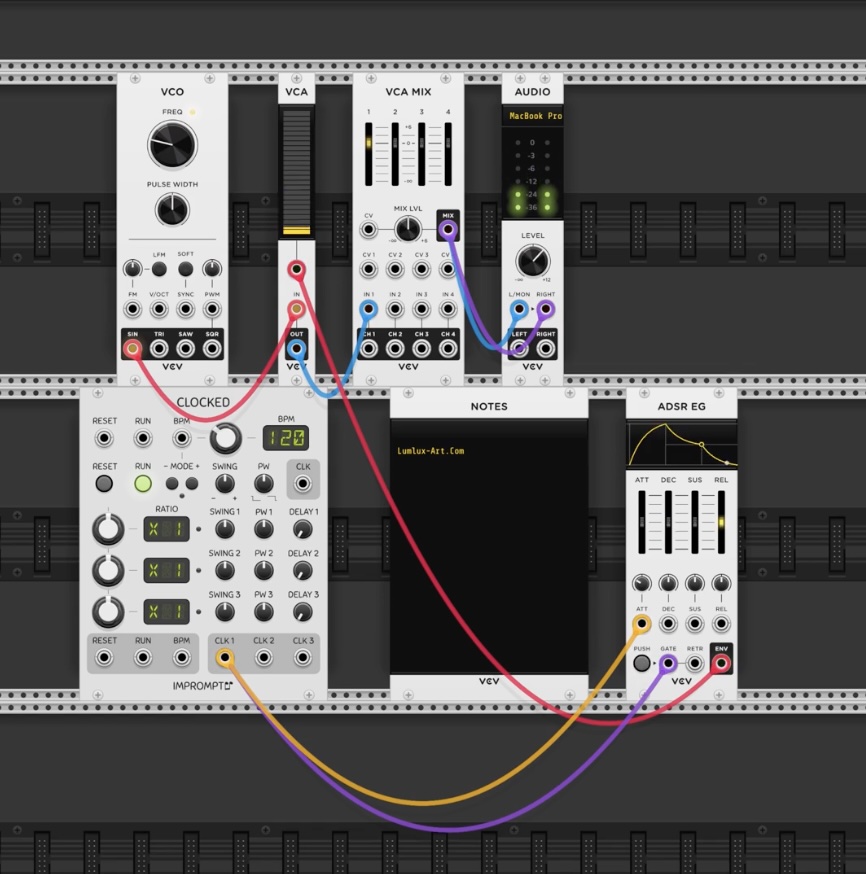
- Music and Visual Arts Merge: Sound-reactive installations and digital compositions use algorithms to generate visuals and sound simultaneously.
- Theater and Film Convergence: Interactive films, like Bandersnatch, blur the line between cinema and gaming, while digital projection mapping transforms live theater.
The future of art lies in hybridization—mixing disciplines to create multisensory, interdisciplinary experiences.
Sustainability and Eco-Conscious Art
Artists are increasingly addressing environmental concerns and incorporating sustainability into their work.
- Eco-Art Installations: Artists use natural and recycled materials to create temporary, biodegradable works.
- Sustainable Digital Art Practices: With criticism over the environmental impact of NFTs, some platforms are moving towards eco-friendly blockchain solutions.
- Urban Art and Green Spaces: Public sculptures and murals now integrate greenery, emphasizing environmental awareness and community engagement.
Art is becoming a tool for activism, encouraging discussions about climate change and sustainability.
Social Media and the Democratization of Art
The internet continues to redefine how art is created, shared, and consumed.
- TikTok and Instagram Art Movements: Short-form videos showcase art in new ways, from time-lapse paintings to AI-powered filters.
- Crowdsourced and Collaborative Art: Online communities, like Reddit’s r/place, enable large-scale participatory creations.
- Open-Source Creativity: Platforms like GitHub and Creative Commons allow artists to share, remix, and co-create works with global collaborators.
Social media ensures that art is more accessible, collaborative, and viral than ever before.
Conclusion: The Future of Art is Limitless
Art is constantly reinventing itself, adapting to new technologies, societal shifts, and creative experimentation. As we move forward, interactivity, sustainability, AI integration, and cross-disciplinary fusion will define the next generation of artistic expression.
While technology continues to shape the tools and platforms used to create art, the core of artistic expression—human creativity, emotion, and storytelling—will always remain at the heart of innovation.
The future of art is not just about new technologies but about new ways of seeing, experiencing, and connecting with the world around us.




Leave a Reply