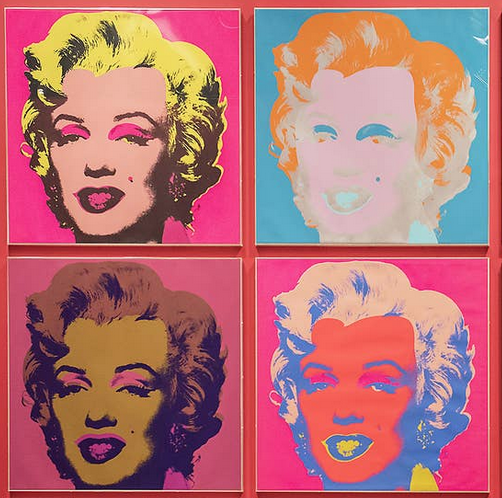
The Prince of Pop Art

Andrew Warhola, known to the world as Andy Warhol, was an American artist, filmmaker, and leading figure of the Pop Art movement that emerged in the 1950s and 1960s. Born in Pittsburgh, Pennsylvania in 1928, Warhol’s humble beginnings were a far cry from the glamour and fame he would later achieve. His talent for blending commercial and fine art, combined with his enigmatic persona, transformed him into a cultural icon. This essay will delve into Warhol’s life, his groundbreaking work, and his enduring impact on the art world.
Andy Warhol’s path to art began with a childhood illness that left him bedridden, during which he developed a passion for drawing and collecting images of celebrities. He went on to study pictorial design at the Carnegie Institute of Technology (now Carnegie Mellon University), before moving to New York City to pursue a career as a commercial illustrator.
Warhol’s early work in advertising and magazine illustration showcased his knack for popular culture and consumer products. However, it was his bold move into the realm of fine art that would establish him as a key figure in the Pop Art movement. Combining elements of commercial art with traditional painting techniques, Warhol’s work blurred the lines between high and low culture.
The Factory and the Pop Art Movement
In the early 1960s, Warhol opened his famous studio, known as “The Factory,” which became a hub for artists, musicians, and cultural influencers. The Factory was not just a workspace; it was a symbol of Warhol’s artistic philosophy and the birthplace of many of his most famous works. The use of silkscreen printing and assembly line production methods epitomized his belief that art should be accessible and mass-produced, reflecting the consumer culture that defined postwar America.
Andy Warhol’s most iconic works include his Campbell’s Soup Cans, Marilyn Diptych, and Coca-Cola paintings. These pieces demonstrated his signature technique of appropriating familiar, everyday objects and images, and recontextualizing them as art. This approach challenged the traditional notions of art’s exclusivity and elevated the mundane to the status of high art.
Warhol’s Influence on Film and Music
Andy Warhol was not limited to visual art. He explored the boundaries of artistic expression through experimental filmmaking and his involvement in the music scene. His avant-garde films, such as Sleep, Empire, and Chelsea Girls, were characterized by their minimalistic approach and unconventional structure.
Warhol’s association with the band The Velvet Underground, for which he served as manager and producer, further illustrated his interest in pushing the limits of artistic collaboration. The iconic banana cover art he designed for their debut album, The Velvet Underground & Nico, remains an enduring symbol of the band’s legacy.
Legacy
Andy Warhol’s sudden death in 1987 left an indelible mark on the art world. His innovative techniques, fascination with celebrity culture, and ability to merge commercialism with fine art have continued to influence generations of artists. Warhol’s impact can be seen in the work of contemporary artists such as Damien Hirst, Jeff Koons, and Banksy, who each carry on his legacy in their unique ways.
Andy Warhol’s journey from a sickly child in Pittsburgh to the Prince of Pop Art serves as an inspiration for aspiring artists everywhere. His willingness to challenge traditional art norms and embrace the commercial aspects of popular culture helped redefine the art world and its relationship with society. Today, Warhol’s iconic works and avant-garde spirit continue to captivate audiences, ensuring that his influence will persist for generations to come.
Website: https://www.warhol.org/