| |

Matisse. Cahiers d’art, le tournant des années 30

Musée de l’Orangerie, Parijs – 1 march – 29 may, 2023

Henri Matisse was one of the most important and influential artists of the 20th century, and his work continues to inspire and captivate viewers today. From March 1st to May 29th, 2023, the Musée de l’Orangerie in Paris is hosting an exhibition titled “Matisse. Cahiers d’art, le tournant des années 30” which explores Matisse’s pivotal role in the art world during the 1930s.

The exhibition focuses on Matisse’s relationship with the influential art journal Cahiers d’art, which was founded in 1926 by Christian Zervos. Matisse contributed to the journal throughout its early years, and his work was featured in many of its issues. During the 1930s, Matisse’s work underwent a significant transformation, and he began to experiment with new styles and techniques. The exhibition explores this period of Matisse’s career, highlighting the ways in which his work evolved during this time.

Visitors to the exhibition will have the opportunity to see a wide variety of works by Matisse, including paintings, drawings, and sculptures. Some of the most important pieces in the exhibition include Matisse’s famous paper cutouts, which he began creating in the late 1930s. These cutouts were a departure from Matisse’s earlier work, and they represented a significant shift in his artistic style.

The exhibition also features works by other artists who were featured in Cahiers d’art during the 1930s, including Pablo Picasso, Georges Braque, and Joan Miró. These works provide a broader context for Matisse’s work during this period and highlight the ways in which he was influenced by his contemporaries.

Overall, “Matisse. Cahiers d’art, le tournant des années 30” is an excellent opportunity for art lovers to explore one of the most important periods in Matisse’s career. The exhibition provides a fascinating glimpse into the ways in which Matisse’s work evolved during the 1930s, and it offers a unique perspective on his relationship with Cahiers d’art. Whether you’re a die-hard Matisse fan or simply curious about modern art, this exhibition is definitely worth a visit.

Vergelijkbare berichten

  • |

    Exploring Artists and Their Journey with Digital Mediums

    Digital art has emerged as one of the most dynamic and innovative forms of artistic expression in the 21st century. From the creation of intricate digital paintings to the fluidity of animations and the precision of graphic design, digital mediums have transformed the way artists create and present their work. This article delves deep into…

  • Realism

    Realism, a mid-19th century painting movement, emerged as a significant shift from idealized art, focusing on daily life and the experiences of ordinary people. Influenced by social upheavals and thinkers like Marx and Darwin, key artists such as Gustave Courbet, Jean-François Millet, and Honoré Daumier portrayed the stark realities of the working class and rural life. Realism’s principles, including accurate representation and social commentary, set the groundwork for later movements like Impressionism and Social Realism, influencing contemporary art today.

  • |

    The Art of Sharing

    How to Showcase Your Completed Pieces and Works in Progress, and Discover Other Artists’ Creations Introduction In the dynamic and ever-evolving world of art, sharing your work—whether it’s a polished masterpiece or a work in progress—has become an essential part of the creative process. Gone are the days when artists toiled in solitude, revealing their…

  • | |

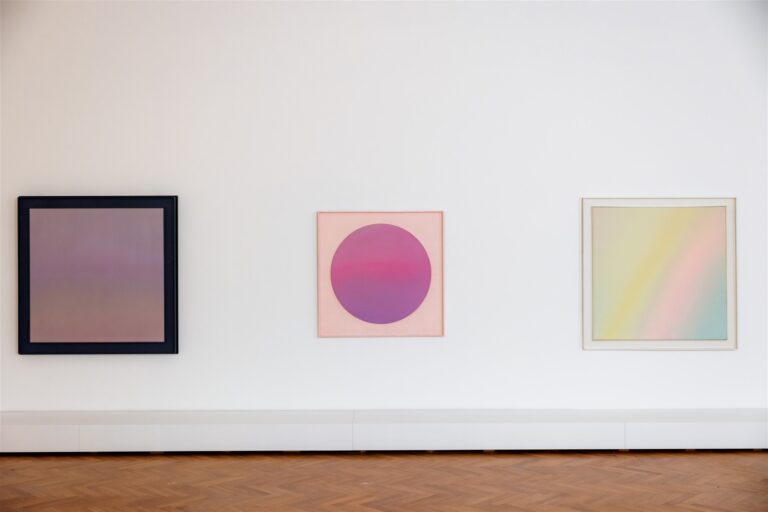
    Jef Verheyen

    Jef Verheyen (1932-1984) emerged as a vital figure in post-war European abstract art, focusing on the interplay of light and space. His artistic philosophy emphasized light as a medium for transcending materiality, creating a dialogue with viewers. Influenced by the ZERO movement, his collaborations with artists like Lucio Fontana enriched his exploration of immateriality. Verheyen’s significant works, such as “Le Vide” and “La Durée Peinte,” showcased his unique technique and contributions to abstract art. His enduring legacy inspires contemporary artists to engage with light, color, and spatial dynamics.

  • | |

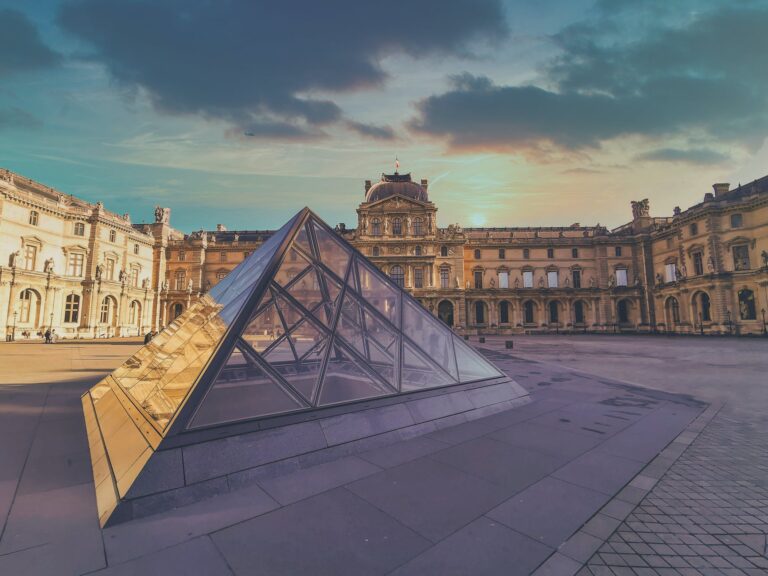
    The Louvre

    The Louvre, nestled in the heart of Paris, stands as a beacon of culture, history, and art. It embodies a chronicle of human civilization and houses the world’s most revered artworks. From its origins as a royal fortress to a public institution, the Louvre’s architectural narrative chronicles the evolution of French art. Its vast collection, organized into eight departments, spans over 9,000 years of history. The Louvre’s global influence encompasses the Louvre Abu Dhabi, international exhibitions, and educational programs, exemplifying its commitment to cultural diplomacy and global outreach. Through digital initiatives, the museum promotes accessibility and inclusivity, making art and cultural heritage globally attainable.

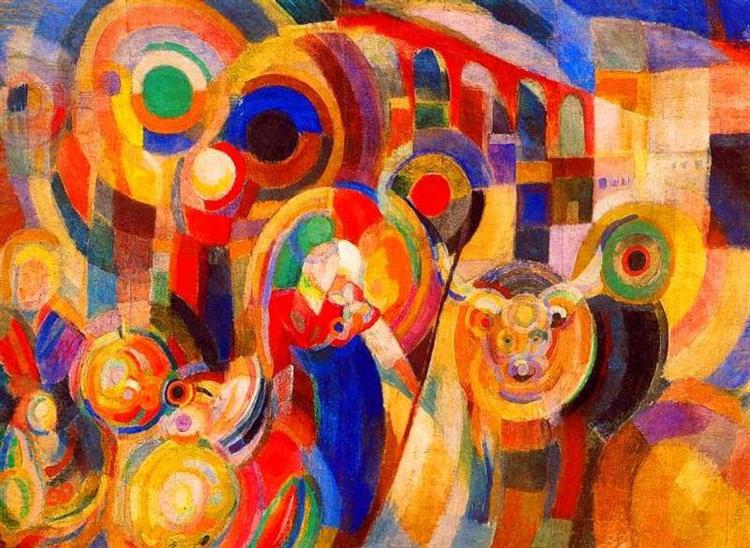
  • Sonia Delaunay

    Sonia Delaunay, born in 1885 in Ukraine, was a pioneering figure in 20th-century modernism known for her innovative contributions to various art forms, including painting, textiles, and fashion. Together with her husband Robert, she developed the theory of Simultanism, which emphasized color’s expressive potential. Delaunay’s multidisciplinary approach integrated art into everyday life, establishing her lasting legacy in breaking down the boundaries between fine and applied arts.

Geef een reactie

Je e-mailadres wordt niet gepubliceerd. Vereiste velden zijn gemarkeerd met *