| |

Matisse. Cahiers d’art, le tournant des années 30

Musée de l’Orangerie, Parijs – 1 march – 29 may, 2023

Henri Matisse was one of the most important and influential artists of the 20th century, and his work continues to inspire and captivate viewers today. From March 1st to May 29th, 2023, the Musée de l’Orangerie in Paris is hosting an exhibition titled “Matisse. Cahiers d’art, le tournant des années 30” which explores Matisse’s pivotal role in the art world during the 1930s.

The exhibition focuses on Matisse’s relationship with the influential art journal Cahiers d’art, which was founded in 1926 by Christian Zervos. Matisse contributed to the journal throughout its early years, and his work was featured in many of its issues. During the 1930s, Matisse’s work underwent a significant transformation, and he began to experiment with new styles and techniques. The exhibition explores this period of Matisse’s career, highlighting the ways in which his work evolved during this time.

Visitors to the exhibition will have the opportunity to see a wide variety of works by Matisse, including paintings, drawings, and sculptures. Some of the most important pieces in the exhibition include Matisse’s famous paper cutouts, which he began creating in the late 1930s. These cutouts were a departure from Matisse’s earlier work, and they represented a significant shift in his artistic style.

The exhibition also features works by other artists who were featured in Cahiers d’art during the 1930s, including Pablo Picasso, Georges Braque, and Joan Miró. These works provide a broader context for Matisse’s work during this period and highlight the ways in which he was influenced by his contemporaries.

Overall, “Matisse. Cahiers d’art, le tournant des années 30” is an excellent opportunity for art lovers to explore one of the most important periods in Matisse’s career. The exhibition provides a fascinating glimpse into the ways in which Matisse’s work evolved during the 1930s, and it offers a unique perspective on his relationship with Cahiers d’art. Whether you’re a die-hard Matisse fan or simply curious about modern art, this exhibition is definitely worth a visit.
Vergelijkbare berichten

  • | | |

    Paris

    Paris is divided into 20 unique arrondissements, each with its own history and character, reflecting the city’s evolution from a small settlement to a cultural hub. Each district, from the iconic Louvre in the 1st to the vibrant street art in the 20th, contributes to the city’s rich tapestry. The 5th arrondissement, known as the Latin Quarter, hosts historical sites like the Sorbonne and Panthéon, while the 7th showcases landmarks like the Eiffel Tower. Exploring these diverse neighborhoods reveals a captivating journey through art, history, and local life, making Paris endlessly fascinating.

  • Salvador Dalí – A Surreal Life Painted in Exquisite Detail

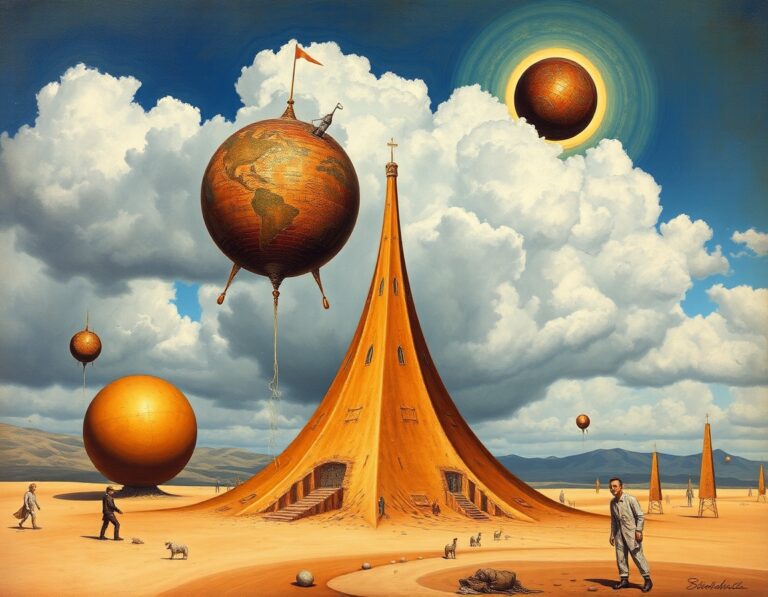
    Salvador Dalí (1904-1989) was a key figure in the Surrealist movement, known for his imaginative and often controversial art that blends reality with fantasy. His life was marked by contradictions, and themes of duality influenced his works. Dalí’s technique, the “Paranoiac-Critical method,” allowed him to access his subconscious creatively. Despite leaving the Surrealist group due to controversy, he merged science with art in his later works. Dalí’s legacy as a transformative modern artist continues to inspire and intrigue audiences today.

  • | | |

    Tim Van Laere Gallery

    The Tim Van Laere Gallery, located in the heart of Antwerp, Belgium, has been a pivotal institution in the contemporary art scene since its establishment in 1997 by Tim Van Laere. Its mission is to showcase a mix of emerging talent and established artists from around the globe, spanning various mediums such as painting, sculpture,…

  • Surrealism

    Surrealism is an influential art movement from the early 20th century, aiming to explore the unconscious mind through dreamlike, illogical imagery. Heavily inspired by Freud, it emerged post-World War I and called for artistic freedom beyond rationality. Prominent artists like Salvador Dalí, René Magritte, and Max Ernst challenged reality’s perceptions using techniques such as juxtaposition and automatism, leaving a lasting impact on modern art, literature, and film.

  • Impressionism

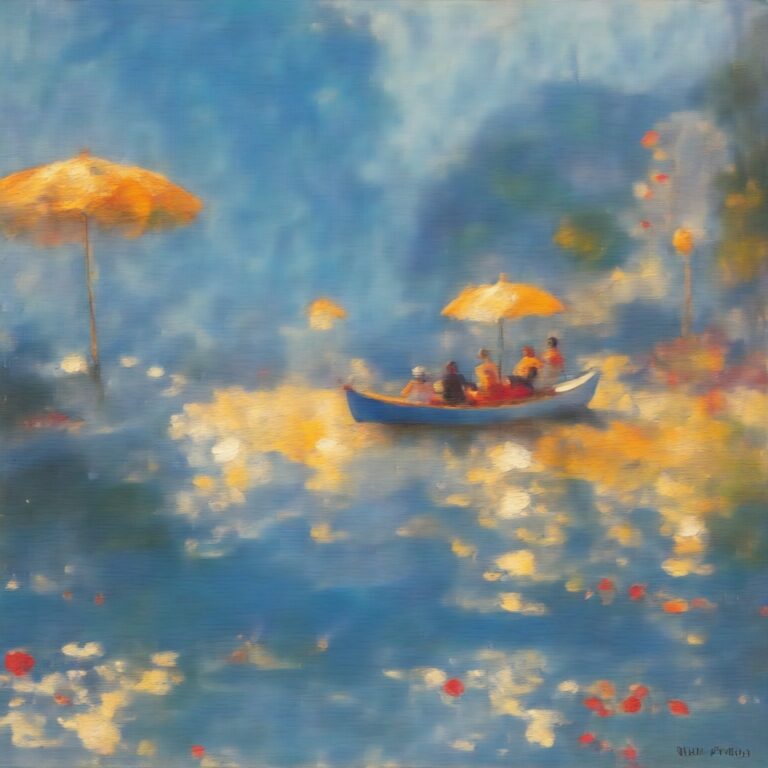
    Impressionism emerged in late 19th-century France as a radical departure from academic painting, prioritizing the capture of light and color over meticulous detail. Key figures like Claude Monet, Pierre-Auguste Renoir, and Edgar Degas pioneered techniques such as loose brushwork and plein air painting, focusing on everyday life and modern experiences. Initially criticized, Impressionism significantly influenced subsequent art movements and remains celebrated today, impacting not only the art world but also popular culture through its emphasis on natural beauty and spontaneity.

  • | |

    The Louvre

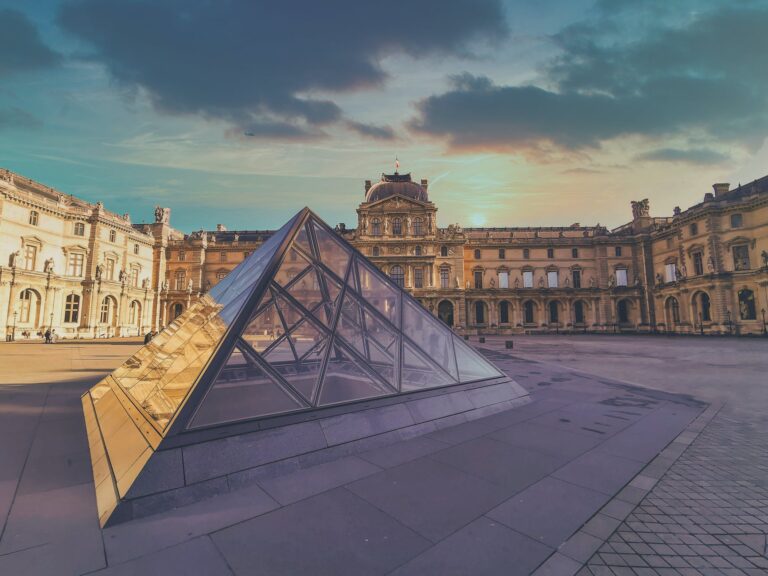
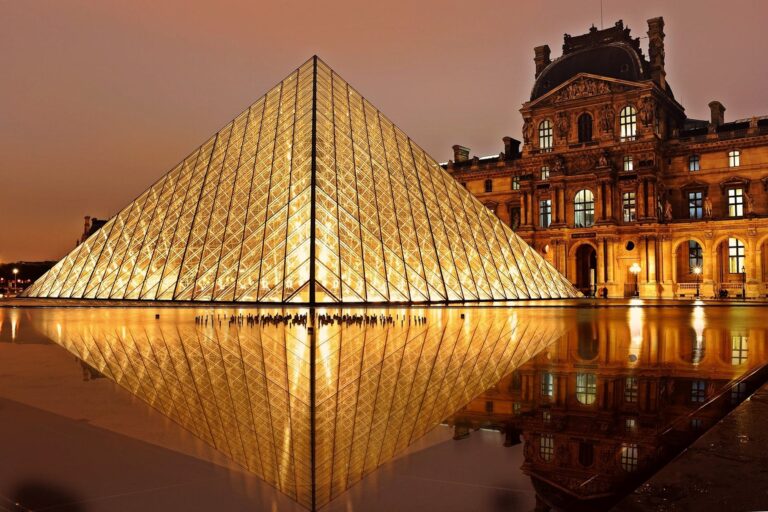
    The Louvre, nestled in the heart of Paris, stands as a beacon of culture, history, and art. It embodies a chronicle of human civilization and houses the world’s most revered artworks. From its origins as a royal fortress to a public institution, the Louvre’s architectural narrative chronicles the evolution of French art. Its vast collection, organized into eight departments, spans over 9,000 years of history. The Louvre’s global influence encompasses the Louvre Abu Dhabi, international exhibitions, and educational programs, exemplifying its commitment to cultural diplomacy and global outreach. Through digital initiatives, the museum promotes accessibility and inclusivity, making art and cultural heritage globally attainable.

Geef een reactie

Je e-mailadres wordt niet gepubliceerd. Vereiste velden zijn gemarkeerd met *