

Jan Fabre is a towering figure in the world of contemporary art and theater, renowned for his boundless creativity and ability to blur the lines between various artistic disciplines. Born in 1958 in Antwerp, Belgium, Fabre has established himself as a multidisciplinary artist, playwright, stage director, and designer whose work consistently challenges and innovates the norms of traditional art and performance.
Fabre’s artistic vocabulary is diverse and symbolically rich, employing materials ranging from blood and bones to blue ballpoint ink and live animals. His approach often involves extensive research into mythology, science, and philosophy, which he integrates into his artistic concepts to explore themes of beauty, ugliness, and the transformational capabilities of art. Fabre’s work, whether on canvas or on stage, is provocative and deeply introspective, inviting audiences to rethink their perceptions of art and its role in society.
Multidisciplinary Approach
From the beginning of his career in the late 1970s, Jan Fabre has distinguished himself with an innovative approach that combines visual art, theater, performance, and writing. Unlike artists who specialize in one medium, Fabre’s work spans a range of formats. His art installations, drawings, sculptures, and staged performances are all part of a continuum, each influencing and enriching the others. This synthesis of different artistic expressions allows Fabre to create multi-layered works that are visually stunning and intellectually challenging.
For example, his use of live animals in performances and installations not only questions ethical norms but also deeply engages with themes of life, death, and rebirth. Similarly, his signature use of blue ballpoint pen in drawings and installations is not just a stylistic choice but a part of his exploration of time and endurance, themes that are central to his philosophy of art.
Impact on Art and Theatre
In Belgium, Jan Fabre is celebrated not only for his artistic innovations but also for his contribution to the cultural landscape. His works have been influential in defining the Belgian avant-garde scene, pushing the boundaries of both visual art and theater. Fabre’s impact, however, extends far beyond his home country. Internationally, he is regarded as a pioneering figure whose works are featured in major galleries, museums, and theaters around the world.
His theatrical productions, characterized by their duration, complexity, and physical intensity, have redefined the possibilities of stage performance. Plays like “The Power of Theatrical Madness” (1984) and “Mount Olympus: To glorify the cult of tragedy” (2015), which was a 24-hour performance, challenge both performers and audiences with their endurance and depth of expression.
In the visual arts, his installations and sculptures often become the centerpieces of international exhibitions, drawing attention for their intricate detail and often controversial use of materials. His installation “Heaven of Delight” (2002), for instance, in the Royal Palace in Brussels, which features the ceiling adorned with the iridescent wing cases of beetles, is a stunning example of how his artistic vision transforms traditional spaces into extraordinary experiences.
Jan Fabre’s contributions to the arts are marked by a fearless exploration of the limits of human experience and artistic expression. His works, whether in a gallery or on stage, are immersive experiences that provoke reflection, discussion, and even controversy. In Belgium and internationally, Fabre has significantly influenced both contemporary art and theater, bringing to them a unique blend of performance, installation, and narrative art. His continued relevance and dynamism in the arts scene underscore his status as a crucial figure in contemporary culture, constantly challenging, questioning, and expanding the boundaries of what art can be.
§
Early Life and Education
Born in 1958 in the historic city of Antwerp, Belgium, Jan Fabre was immersed in an environment steeped in art and the natural sciences from a very young age. His upbringing in a family that dealt with artists and was involved in the trading of insects and birds profoundly shaped his artistic sensibilities and thematic preoccupations. This unique family background not only provided Fabre with a deep appreciation for nature and biology but also exposed him to the aesthetics and intricacies of art, blending the scientific with the artistic, a theme that would heavily influence his later works.
Growing Up in Antwerp
Antwerp, known for its rich history of art and commerce, provided the perfect backdrop for Fabre’s creative development. The city, with its baroque legacy marked by figures like Peter Paul Rubens, has a long tradition of artistic innovation and cultural wealth. Fabre grew up surrounded by this vibrant cultural tapestry, attending local schools where his burgeoning interests in the natural world and in artistic expression were nurtured. The influence of his hometown is evident throughout his career, not only in the thematic choices of his works but also in his commitment to situating his practice within the broader history of Flemish art.
Artistic and Scientific Fusion
The influence of his family’s profession—dealing in insects and birds—cannot be overstated. This early exposure to the natural world fostered an enduring fascination with the animal kingdom and its myriad forms, behaviors, and textures. His later artworks often incorporate elements from nature, particularly his use of insects which are not just motifs but are integral to the thematic and visual impact of his works. For example, his innovative use of beetle wing cases in artworks challenges traditional art materials and methods, demonstrating how his childhood environment contributed to his artistic vocabulary.
Educational Path
Jan Fabre’s formal education in the arts began at the Municipal Institute of Decorative Arts and the Royal Academy of Fine Arts in Antwerp, two prestigious institutions known for their rigorous training and creative exploration. At these institutions, Fabre was exposed to a variety of artistic disciplines, from traditional drawing and painting to the performing arts and theatrical design. This interdisciplinary training was crucial in shaping his approach to art-making, characterized by a blending of various artistic forms.
At the Royal Academy, Fabre delved deeper into the theoretical underpinnings of art, exploring not only the technical aspects but also the philosophical and ethical dimensions. His education here equipped him with the tools to question and redefine the boundaries of contemporary art. The academy’s emphasis on the historical and cultural contexts of art also provided Fabre with a profound understanding of his place within the continuum of Belgian and European art history.
Early Artistic Experiments
During his time at the academy, Fabre began experimenting with performance art, a medium that was gaining prominence in the 1970s and 1980s. His early performances were marked by an intense physicality and a challenging of conventional norms, which would become hallmarks of his later work. These performances, often involving endurance and the transformation of materials, reflected his interest in the body and its capabilities, themes that he continues to explore in his multidisciplinary projects.
His educational journey, marked by a rigorous engagement with both the visual and performing arts, laid the groundwork for his future as a groundbreaking artist. The skills, theories, and ethical considerations he absorbed during his academic years empowered him to create works that are both visually arresting and intellectually challenging, works that interrogate the very nature of art itself.
Jan Fabre’s early life and education in Antwerp played a fundamental role in shaping his artistic identity. His unique family background provided him with an early and intimate connection to nature and art, while his formal education equipped him with a broad and deep foundation in the arts. These experiences intermingled to create an artist capable of traversing and merging the worlds of visual art, performance, and theater, making Jan Fabre a distinctive and influential figure in contemporary art.
§
Artistic Career
Jan Fabre, one of Belgium’s most innovative and provocative contemporary artists, has an artistic career that spans over four decades and encompasses a vast array of media including performance art, theatre, drawing, sculpture, and installation. His work is notable for its exploration of beauty and ugliness, the natural and the artistic, the ephemeral and the eternal, often interwoven with themes of metamorphosis and the human condition.
Early Works and Exhibitions
Fabre’s early artistic expressions were primarily in the domain of performance art in the late 1970s and early 1980s. These formative works often involved the artist’s own body as a primary medium, testing its limits and capabilities through acts that were physically demanding and psychologically intense. These performances laid the groundwork for his later explorations in other mediums.
One of his earliest notable exhibitions, “Money and the artist as a young moth,” took place in 1978. This work exemplified his early fascination with transformation and the use of unconventional materials — in this case, the artist burning the money he earned from his artwork, symbolically transforming material wealth into artistic expression.
Major Works
“The Hour Blue” (1977-1992)
This pivotal series marked a significant evolution in Fabre’s career, where he transitioned from purely performance-based works to complex, layered installations. “The Hour Blue” refers to the magical moment of twilight, which Fabre describes as a time when transformation and metamorphosis become possible. This series encompasses drawings, installations, and sculptural works, utilizing his iconic blue ballpoint pen drawings and incorporating organic materials such as animal blood and bones. The works are an exploration of life, death, and resurrection, recurring motifs that delve into the cycle of nature and human existence.
“Heaven of Delight” (2002)
In 2002, Fabre was commissioned to create a permanent installation for the ceiling of the Mirror Room in the Royal Palace of Brussels. This work, titled “Heaven of Delight,” is an ornate and opulent installation that consists of the iridescent wing cases of thousands of green jewel beetles. The ceiling and the chandelier shimmer with a vivid, organic glow, creating a visual impact that is both stunning and unsettling. This work is a commentary on beauty and decay, luxury and ephemerality, seamlessly blending the grandeur of the palace with the transient beauty of natural elements.
“Tivoli” (1990)
“Tivoli” is another significant installation where Fabre transformed an entire garden into a living artwork. The work combined nature and sculpture to create an interactive space that invited viewers to reconsider the relationship between art and environment. The garden was both a sculpture park and a stage for performances, blurring the lines between the natural world and artistic creation.
“The Man Who Measures the Clouds” (1998)

This large-scale sculpture features a man, modeled after Fabre’s own brother, standing atop a ladder and reaching up to measure the clouds with a ruler. The work, which exists in several versions around the world, deals with the human desire to achieve the impossible, to measure and understand the immeasurable. It’s a poetic reflection on ambition, vulnerability, and the human spirit.
Themes and Techniques
Fabre’s oeuvre is characterized by recurring themes such as metamorphosis, the interplay between art and science, and the integration of organic and inorganic materials. His fascination with insects, particularly beetles, and other animals speaks to a deeper exploration of life cycles and transformations. This thematic focus is often materialized through the use of unconventional materials — insect shells, animal bones, human hair, and blood — that challenge viewers’ expectations and sensibilities.
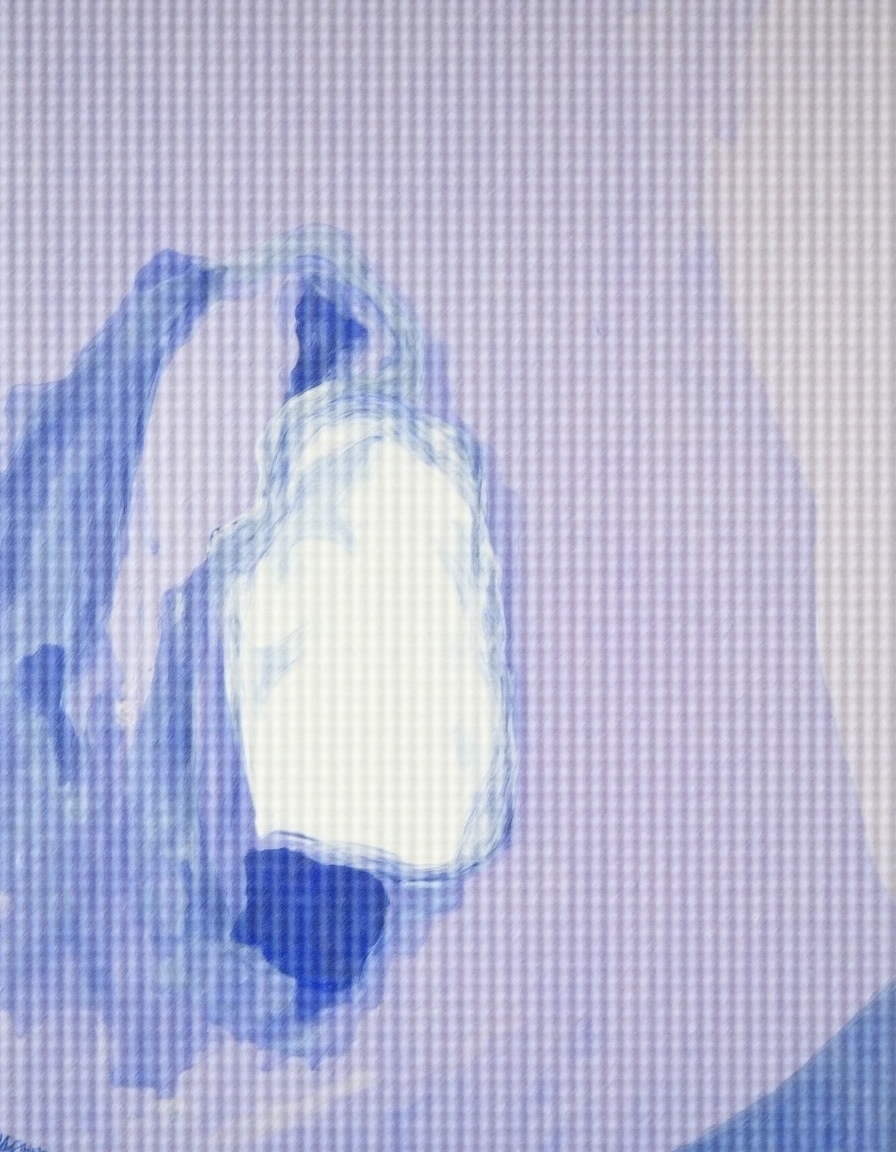
His technique of using blue ballpoint pen for drawings and installations is particularly notable. These works are meticulously detailed and require a painstaking process that reflects themes of time, labor, and endurance. The choice of blue ink is also significant; for Fabre, the color blue represents depth and infinity, reminiscent of both the sky and the sea.
Jan Fabre’s artistic journey is marked by an unyielding pursuit of a deeper understanding of life through art. His works are challenging, thought-provoking, and multidimensional, offering a unique blend of visual drama and philosophical inquiry. Whether through performance, drawing, sculpture, or installation, Fabre’s art continuously pushes boundaries, inviting viewers to engage with complex themes of beauty, decay, and transformation. His contributions to contemporary art are profound, ensuring his place as a seminal figure in both Belgian and international art history.
§
Theatrical Contributions
Troubleyn Theatre Company
Founded in 1986 by Jan Fabre, Troubleyn Theatre Company has been a prominent platform for his explorations into the world of drama and performance art. The Antwerp-based company not only serves as a production house for Fabre’s avant-garde plays but also as a space where boundaries of traditional theatre are consistently tested and redefined. Troubleyn has become synonymous with provocative performances that blend elements of physical theater, dance, visual art, and elaborate scenography, reflecting Fabre’s multidisciplinary approach to art-making.
Notable Plays and Performances
“The Power of Theatrical Madness” (1984)
Although predating the official founding of Troubleyn, “The Power of Theatrical Madness” is crucial for understanding the company’s artistic lineage. Performed at the Venice Biennale, this play was a seminal work that put Fabre on the international map as a theater maker. With its intense physical demands and its durational performance stretching over four hours, the piece questioned the limits of actors’ endurance and the audience’s stamina. The play dissected the mechanisms of power within theatrical structures and society, utilizing repetition and ritual to create a hypnotic experience that challenged viewers both mentally and physically.
“Mount Olympus: To glorify the cult of tragedy” (2015)
“Mount Olympus: To glorify the cult of tragedy” marked a pinnacle in Fabre’s exploration of endurance in theater. This 24-hour marathon performance, which featured 27 performers, was a tour de force of physical and emotional stamina, portraying a continuous narrative loop of Greek tragedies reimagined through contemporary contexts. The play was a monumental undertaking that invited the audience to experience the cathartic journey alongside the performers, blurring lines between actor and spectator, myth and reality, endurance and exhaustion.
Innovation in Theatre
Jan Fabre’s theatrical works are marked by a distinctive blend of innovation and controversy, pushing the boundaries of conventional theatre in both form and content. His directorial and staging techniques are characterized by their radical nature, often incorporating long durations, intense physicality, and deeply personal material that connects with both the performer’s and the audience’s psychological and physical realms.
Endurance Art
One of Fabre’s significant contributions to modern theatre is his incorporation of endurance art into his plays. This is not merely about the physical duration but also about sustaining emotional and psychological intensity. By demanding that his actors perform at the extremes of their physical and mental capacities, Fabre explores the raw edges of human experience, making the performances deeply immersive and often transformative experiences for those involved.
His use of endurance is also a form of breaking down barriers between the performance and the audience, making the theatrical experience a shared journey rather than a passive observation. This approach challenges traditional narratives and expectations of what theatre should be, offering instead a visceral exploration of human limits and capabilities.
Biographical Elements
Fabre often weaves elements of his life and his performers’ lives into his productions. This biographical approach enriches the narrative, making each performance uniquely personal and authentic. By integrating real-life experiences and emotions into the fabric of his plays, he creates a raw, unfiltered connection with the audience, enhancing the emotional impact of the performance.
Staging and Visuals
Fabre’s background in visual arts profoundly influences his staging techniques. His theatre productions are visually striking, often employing elaborate set designs and innovative use of props and costumes. These elements are not merely decorative but are integral to the storytelling, often symbolizing deeper themes or serving as metaphors within the narrative.
His staging is also notable for its dynamic use of space and movement. Fabre choreographs his scenes with precise detail, utilizing the entire stage and often extending the performance into the audience space, breaking the fourth wall and engaging the audience directly in the spectacle.
Jan Fabre’s contributions to theatre through his work with Troubleyn Theatre Company are profound and transformative. His unique blend of performance art, physical theatre, and personal narrative creates a new vocabulary for theatre—a vocabulary that speaks of endurance, depth, and intensity. His innovative use of staging, visual artistry, and biographical elements has not only influenced contemporary theatre practices but has also challenged audiences worldwide to rethink their understanding of performance and its impact on human emotion and thought. Fabre remains a pivotal figure in contemporary theatre, continuously pushing the boundaries of what can be achieved on the stage.
§
Controversies and Criticism
Jan Fabre, a figure of towering influence in contemporary art and theatre, has always provoked strong reactions from both critics and audiences. His work, characterized by its confrontational and often transgressive nature, has garnered both high praise and sharp criticism. Fabre’s relentless pursuit of boundary-pushing art has made him a central figure in debates about the limits and responsibilities of artistic expression.
Critical Reception
Jan Fabre’s critical reception has been as varied as his artistic endeavors. Critics have lauded him for his innovative use of materials and his ability to fuse performance art with visual storytelling in a way that is both intellectually challenging and visually mesmerizing. His theatrical productions, particularly those that push physical and temporal boundaries, have been praised for their intensity and raw power. The ability of his work to provoke deep emotional responses and to force viewers to confront uncomfortable truths about human nature and societal norms is often cited as a hallmark of his genius.
However, his work has also faced significant criticism. Some critics argue that his use of shock tactics can be gratuitous and sensationalist, obscuring deeper artistic and intellectual messages rather than elucidating them. Others have criticized his approach to themes involving violence and sexuality, which can be disturbing and are sometimes viewed as exploitative rather than exploratory. The demanding nature of his performances, particularly in terms of the endurance required by his actors, has also raised ethical concerns regarding the welfare of performers.
Controversies
Jan Fabre’s career has not been without its controversies, which have sparked debate and affected his reputation within the art and theatre communities.
Accusations of Sexual Harassment
A significant controversy emerged in 2018 when several former members of the Troubleyn Theatre Company came forward with accusations of sexual harassment against Fabre. The allegations included claims of sexually charged and inappropriate comments, psychological pressure, and a working environment that was described as toxic and abusive. These accusations were detailed in an open letter signed by a number of former employees, and they sparked a widespread discussion in the media about power dynamics within the arts.
Fabre responded to these allegations by denying any form of sexual harassment or abuse of power, asserting that his provocative style was a fundamental aspect of his artistic expression and pedagogy. The case brought attention to the broader issues of consent and power imbalance in the arts, leading to calls for better protection and support systems for performers and employees in the industry.
The Belgian authorities took these accusations seriously, leading to investigations by both judicial bodies and arts funding organizations. The controversy had a dual impact: it tarnished Fabre’s image in some quarters, while also raising important questions about the boundaries of artistic freedom and the responsibilities of those in positions of power within cultural institutions.
Ethical Concerns and Artistic Methods
Apart from the accusations of harassment, Fabre has faced criticism for his use of animals in his art. His work often includes live animals, which he argues represent certain themes and add a layer of meaning to his art. However, animal rights activists and some critics have questioned the ethics of this practice, arguing that it exploits the animals and subjects them to unnecessary stress and potential harm.
Impact on His Reputation and Work
The controversies surrounding Jan Fabre have had a complex impact on his reputation and his work. On one hand, they have prompted a reevaluation of his methods and themes, with increased scrutiny from critics, audiences, and collaborators alike. On the other hand, the debates have also served to amplify the conversation around his art, drawing more attention to his innovative approaches and the challenging questions he raises through his work.
Despite the controversies, Fabre remains a prominent figure in the art world, his works continuing to be showcased in major exhibitions and stages around the world. The discussions around his practices have also contributed to a broader discourse on the nature of contemporary art and theatre, particularly concerning the ethical boundaries of artistic creation.
In conclusion, Jan Fabre’s career encapsulates the complex interplay between artistic innovation and the ethical considerations it can entail. His work continues to inspire and provoke, underscoring the ongoing tension between artistic freedom and the moral obligations of artists to their subjects and audiences.
§
Legacy and Influence
Jan Fabre’s indelible mark on contemporary art and theater has rendered him a pivotal figure in shaping both the visual and performance arts landscapes. His audacious approach to art, which seamlessly blends media to create multisensory experiences, has not only broadened the scope of artistic expression but has also influenced a generation of artists and reshaped cultural policies across Belgium and Europe.
Influence on Artists
Fabre’s integration of visual art with live performance has opened new vistas for artists exploring the boundaries between these disciplines. Younger artists, particularly those interested in breaking away from traditional forms of art and theater, find in Fabre a model for how diverse media can be woven together to enhance the impact of their work. His use of unconventional materials, from human bones to live insects, and his fearless approach to subject matter—from the grotesque to the sublime—encourage emerging artists to push beyond conventional limits.
Artists inspired by Fabre often adopt similar multidisciplinary approaches, viewing the art world not as compartmentalized into neat categories but as a fluid spectrum where various forms of creativity intersect. For instance, in performance art circles, it is now more common to see works that incorporate elements of sculpture, installation, and even elements of nature, a testament to Fabre’s pioneering influence. Moreover, his emphasis on physicality and endurance in performance art has led to a renewed focus on the body as a powerful medium of artistic expression, exploring its potential and limits.
Academic and Cultural Impact
As an educator, Jan Fabre has been instrumental in nurturing new talent and encouraging innovative thinking through his teaching posts at various European institutions. His workshops and master classes are renowned for their intensity and rigor, often reflecting his own artistic practices and philosophy. These educational activities extend his influence, molding the artistic sensibilities and methodologies of students who may carry forward his legacy in new and unexpected directions.
Moreover, Fabre’s work has significantly impacted cultural policies in Belgium and throughout Europe. His international success and the acclaim he has garnered have highlighted the cultural vibrancy of Belgium, prompting increased support for the arts from both government and private sectors. His collaborations across various countries and cultures serve as a model for cultural exchange and diplomacy, encouraging a broader, more inclusive approach to cultural policy.
Fabre has also been a critical voice in debates about the role of art in society, advocating for the freedom of artistic expression and its potential to influence social and political discourse. His career is a testament to the idea that art is not just a reflection of society but an active, dynamic force in shaping it. This stance has influenced cultural policy by framing art as a crucial element of societal development and international dialogue.
Jan Fabre’s legacy is multifaceted; his work not only continues to influence new generations of artists but also shapes the academic and cultural landscapes of Belgium and beyond. His bold redefinition of art and performance has encouraged a more fluid, experimental approach to creative expression, challenging artists to think beyond traditional boundaries. As both an innovator and an educator, Fabre has played a crucial role in redefining the potential of both visual and performance arts, ensuring his enduring impact on the cultural fabric of Europe.
§
Future Directions
Jan Fabre’s artistic trajectory remains as dynamic and evolving as ever, with ongoing projects and exhibitions that continue to push the boundaries of contemporary art. His commitment to exploring and redefining the interplay between various artistic media ensures that his work remains relevant and influential in the ever-changing landscape of global art.
Ongoing Projects and Exhibitions
Jan Fabre is known for his long-term projects that span years, if not decades. These projects often culminate in expansive exhibitions that showcase the depth and breadth of his artistic inquiry. Currently, Fabre is involved in several major exhibitions across Europe, where his latest works continue to explore themes of metamorphosis, human vulnerability, and the relationship between humans and nature. These exhibitions not only display his iconic works but also introduce new installations that incorporate cutting-edge technology and biological sciences, reflecting his ongoing fascination with the intersection of art and science.
Additionally, Fabre remains committed to his theatrical endeavors, with new plays and performances that are being developed for international audiences. His theatre productions continue to challenge conventional norms, incorporating elements of endurance art that demand as much from the audience as they do from the performers.
Sustainability of His Artistic Vision
Looking towards the future, Jan Fabre’s work is likely to remain at the forefront of discussions about sustainability in artistic vision, particularly in how contemporary art can address global concerns such as environmental degradation and social justice. Fabre’s use of natural materials and his engagement with ecological themes position him uniquely to comment on these issues. His future projects may increasingly incorporate sustainable practices, reflecting a broader trend in the art world towards environmentally conscious art.
As technology advances, Fabre might also integrate more digital and interactive elements into his work, exploring the digital as a new frontier for performance and installation art. This would not only expand the reach of his work through digital platforms but also allow him to engage with a younger, more tech-savvy audience, ensuring the relevance of his artistic message in a digital age.
Influence on Future Art Trends
Fabre’s innovative use of materials and his challenging of artistic and ethical boundaries are likely to influence future trends in art. As younger artists seek to navigate the complexities of a globalized world, Fabre’s integrative approach to visual and performance art offers a blueprint for engaging with a wide range of cultural narratives and artistic mediums.
Moreover, Fabre’s willingness to confront uncomfortable or taboo subjects head-on will continue to inspire artists to tackle pressing societal issues through their work. This kind of engagement makes art a vital part of public discourse, capable of effecting change and inspiring reflection.
In conclusion, Jan Fabre’s ongoing projects and future directions are set to continue his legacy as a pioneer in the intersecting fields of visual and performance art. His commitment to evolving his practice ensures that his work remains relevant, continually engaging with new technologies, materials, and themes. As Fabre continues to challenge and inspire, his influence on future art trends and on the next generation of artists will undoubtedly persist, marked by a relentless pursuit of innovation and a deep commitment to exploring the profound questions of our time.
§
Jan Fabre stands as a monumental figure in the contemporary art and theatre landscapes, renowned for his profound and often provocative contributions that have redefined the boundaries between visual and performance art. His career, marked by a fearless interrogation of the human condition and a relentless pursuit of artistic truth, showcases a unique synthesis of intellectual rigor, aesthetic innovation, and emotional depth.
Summary of Impact
Fabre’s impact on the art world is both broad and deep, characterized by his pioneering integration of diverse mediums including sculpture, installation, drawing, and performance. His work, which often incorporates unconventional materials like animal carcasses, human bones, and insect wings, challenges viewers to confront the beauty and brutality of nature and the human psyche. This bold approach has not only captivated and sometimes shocked audiences but has also sparked critical discourse on the role and limits of art in addressing complex themes such as life, death, and transformation.
Moreover, Fabre’s influence extends into the realm of theatre, where his productions are celebrated for their intensity and physicality, pushing actors and audiences alike to the edge of their emotional and physical capacities. His ability to transform traditional theatre spaces into arenas for profound existential and philosophical exploration marks him as a visionary in modern theatrical practice.
Enduring Influence in the Art World
The enduring influence of Jan Fabre in the art world can be attributed to his ability to continually evolve and respond to changing cultural and artistic landscapes. His works are in constant dialogue with contemporary issues, reflecting a deep engagement with both historical art traditions and current global challenges. This dynamic approach ensures that his art remains relevant, resonant, and at the forefront of the international art scene.
Fabre’s mentorship and educational endeavors also contribute to his lasting legacy, as he nurtures the next generation of artists through teaching and collaborative projects. By imparting his exploratory spirit and interdisciplinary methodology, he fosters innovation and creativity among emerging artists, thus perpetuating his impact on the art world.
Final Thoughts
The lasting relevance of Jan Fabre’s work lies in its profound humanism interwoven with a relentless inquiry into the aesthetic possibilities of art. His career is a testament to the power of art to not only reflect but also challenge and expand the human experience. In a world increasingly preoccupied with superficiality and divisiveness, Fabre’s work demands a deeper engagement and offers a space for reflection, questioning, and understanding.
In the broader context of contemporary art and culture, Fabre’s contributions encourage a more inclusive and expansive view of what art can be. His works, which traverse the boundaries of genre, medium, and form, invite us to reconsider our own perceptions and assumptions about art, culture, and society. They inspire a dialogue that transcends geographical and cultural boundaries, promoting a universal discourse on themes that are fundamentally human.
As we look to the future, Jan Fabre’s artistic legacy serves as a beacon for the transformative potential of art in society. His fearless exploration of life’s paradoxes and his commitment to pushing the limits of artistic expression continue to influence and inspire, ensuring that his work will remain vital and relevant in the ever-evolving narrative of contemporary art.

§
Official Website: Jan Fabre Official
Wikipedia Entry: Jan Fabre – Wikipedia
–




Leave a Reply