
The Impact of Digital Art on Society and Culture
Accessibility and Inclusivity
One of the most significant impacts of digital art is its accessibility. Unlike traditional art forms that often require expensive materials and studio space, digital art can be created with just a computer or tablet. This has lowered the barriers to entry for aspiring artists, allowing more people to express themselves creatively.
Moreover, digital art has made it easier for artists from marginalized communities to share their perspectives and stories. The internet provides a platform for voices that might otherwise be overlooked, contributing to a more diverse and inclusive art world.
The Commercialization of Digital Art
The rise of digital art has also led to new opportunities for commercialization. From freelance work to selling prints and digital downloads, artists can monetize their work in various ways. The advent of NFTs (Non-Fungible Tokens) has further revolutionized the digital art market, allowing artists to sell their work as unique digital assets. This has opened up new revenue streams for artists, particularly those who work exclusively in digital mediums.
The Role of Digital Art in Activism
Digital art has proven to be a powerful tool for activism. Artists around the world use their digital platforms to raise awareness about social and political issues, often creating compelling visual narratives that resonate with a broad audience. Whether it’s addressing climate change, advocating for human rights, or challenging societal norms, digital art has become an essential part of contemporary activism.
The Intersection of Digital Art and Technology
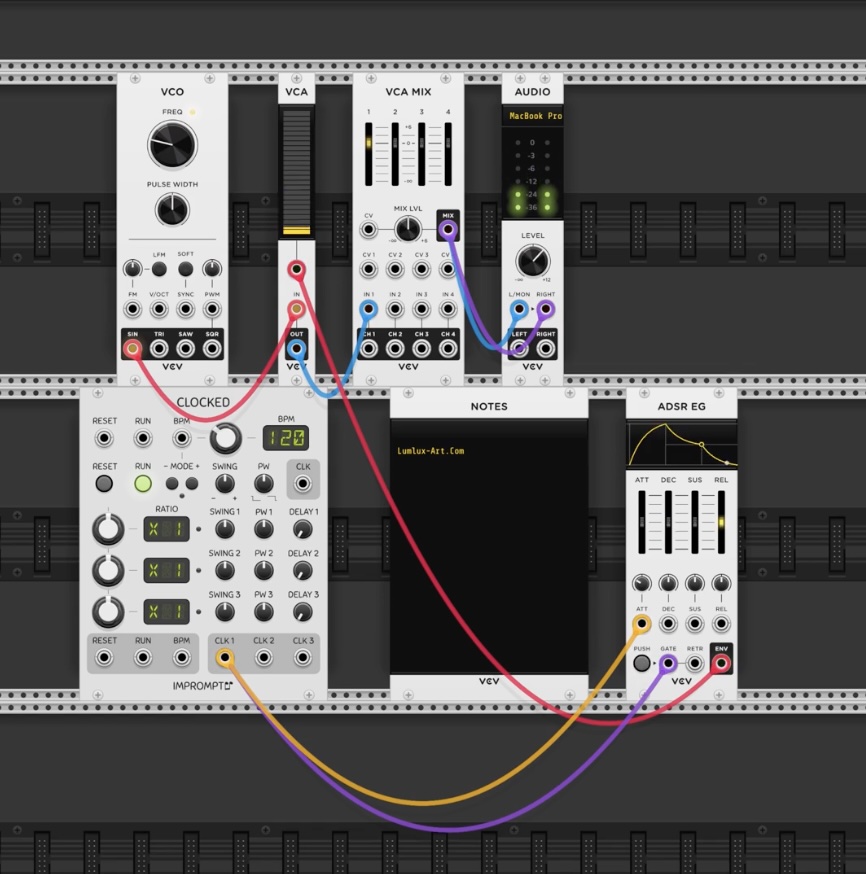
The relationship between digital art and technology is symbiotic. As technology advances, so too does the potential for digital art. Virtual reality (VR) and augmented reality (AR) are two areas where this intersection is particularly evident. Artists are beginning to explore these technologies to create immersive experiences that push the boundaries of traditional art forms. These innovations are not only changing how art is created but also how it is experienced, offering viewers new ways to engage with artistic content.




Leave a Reply