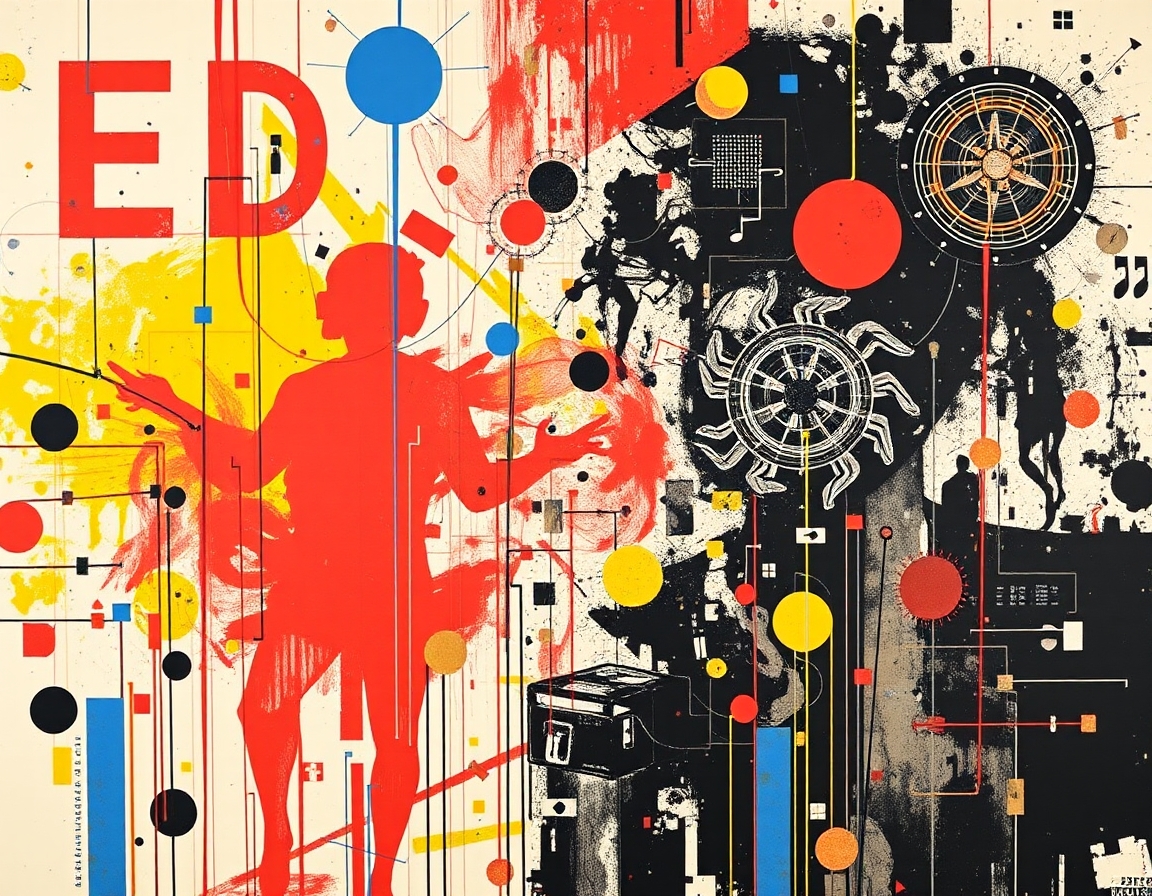
The Evolution, Impact, and Culture of Electronic Dance Music
Introduction
Electronic Dance Music (EDM) is more than just a genre of music—it’s a global phenomenon that has captivated audiences with its pulsating rhythms, futuristic sounds, and high-energy performances. From underground rave scenes to massive music festivals, EDM has carved out a unique space in the cultural landscape, influencing not only music but also fashion, technology, and entertainment.
This comprehensive article explores the origins, evolution, key subgenres, and cultural significance of EDM. We will also delve into the technology behind EDM, the role of festivals, and its impact on the music industry as a whole. Whether you’re a seasoned fan or a newcomer, this exploration of EDM will provide insights into how this electrifying genre continues to dominate the global music scene.

1. Origins of Electronic Dance Music
The roots of Electronic Dance Music can be traced back to the late 1960s and 1970s when experimental musicians and early synthesizer technology started to change the landscape of sound. EDM emerged out of the fusion of several musical styles and technological innovations, gradually forming a genre characterized by its reliance on electronic instruments, synthesized sounds, and a focus on rhythm and beats.
Early Innovators and Influence of Disco
The 1970s disco movement laid much of the groundwork for EDM. Artists like Giorgio Moroder, Donna Summer, and Kraftwerk pioneered the use of synthesizers and electronic beats in dance music. Kraftwerk’s minimalist approach to sound and Moroder’s work with the Moog synthesizer on songs like “I Feel Love” demonstrated the power of electronic music to captivate dancers and listeners alike.
Disco’s emphasis on danceability, repetitive rhythms, and a steady tempo made it a natural precursor to the electronic dance tracks that would come later. When disco started to decline in popularity in the late 1970s, it left behind a fertile landscape for new styles of music, including early forms of house, techno, and electro, which would form the basis of modern EDM.
The Rise of House and Techno in the 1980s
Chicago and Detroit played crucial roles in the rise of house and techno, two foundational genres that would shape the trajectory of EDM. In Chicago, DJs like Frankie Knuckles, who was influenced by the disco scene, began experimenting with drum machines and synthesizers to create what we now know as house music. Early house music featured repetitive 4/4 beats, basslines, and an emphasis on creating a hypnotic groove.
Meanwhile, in Detroit, techno was being born in the studios of pioneers like Juan Atkins, Derrick May, and Kevin Saunderson. Techno was darker, more mechanical, and heavily influenced by the industrial sounds of the city. While house music retained some of the soulfulness of disco, techno embraced a more futuristic and robotic aesthetic.
Both genres began as underground movements but gradually gained international popularity, thanks to their infectious beats and the growing club culture in cities like London, Berlin, and New York.

2. The Evolution of EDM: Key Milestones
The development of EDM from the 1980s onwards is marked by several key milestones. These moments helped shape the genre into the diverse and commercially successful entity it is today.
The 1990s: Rave Culture and Global Expansion
The 1990s was a transformative decade for EDM, as rave culture exploded across Europe and North America. Raves—often illegal, underground parties—became the epicenter for electronic music, with DJs playing extended sets that pushed the boundaries of creativity and sound design. Genres like trance, drum and bass, and breakbeat became central to the rave scene, with large-scale events attracting thousands of attendees.
During this time, the UK became a hotspot for EDM, with genres like jungle and drum and bass emerging from London’s club scene. The rise of the internet and digital music distribution also played a pivotal role in the genre’s growth, allowing electronic tracks to reach a wider audience without the need for traditional record labels.
In the United States, EDM still remained largely an underground phenomenon throughout the 1990s, but the seeds for its mainstream success were being planted.
The 2000s: Mainstream Success and Festival Culture
By the early 2000s, EDM began to break into mainstream consciousness. Artists like Daft Punk, The Chemical Brothers, and Fatboy Slim introduced electronic beats to wider audiences with crossover hits. Meanwhile, music festivals like Ultra Music Festival (Miami) and Electric Daisy Carnival (Las Vegas) began to grow exponentially, becoming pilgrimage sites for electronic music fans around the world.
These festivals helped to solidify EDM’s reputation as a genre best experienced live. The combination of cutting-edge visuals, high-energy music, and communal experiences made festivals a cornerstone of EDM culture. Additionally, the rise of social media and platforms like YouTube allowed artists to connect with global audiences in new ways.
2010s: The EDM Boom
The 2010s are often referred to as the “EDM Boom,” a period where electronic dance music reached unprecedented levels of commercial success. DJs like David Guetta, Skrillex, Calvin Harris, and Swedish House Mafia became household names, selling out stadiums and headlining major music festivals worldwide.
Tracks like Avicii’s “Levels” and Calvin Harris’s “We Found Love” topped charts globally, and EDM began to dominate mainstream radio and popular culture. This period also saw the rise of subgenres like dubstep and future bass, further expanding EDM’s appeal.
Streaming services like Spotify and Apple Music allowed for instant access to millions of tracks, and EDM became one of the most-streamed genres. Its global appeal was evident, as festivals spread to new markets in Asia, South America, and beyond.

3. Subgenres of EDM: A Diverse Spectrum
EDM is not a monolithic genre—it’s an umbrella term that encompasses a wide variety of subgenres, each with its own distinct sound and culture. Let’s explore some of the key subgenres that have defined the landscape of EDM.
House
House music is one of the foundational genres of EDM. Originating in Chicago in the early 1980s, house music is characterized by a 4/4 beat, repetitive rhythms, and a focus on groove and melody. House music often incorporates soulful vocals and piano riffs, giving it a more organic feel compared to some of the harder-edged subgenres of EDM.
Subgenres of house music include:
- Deep House: Known for its mellow, soulful sound, deep house often features smooth basslines, atmospheric synths, and jazz-influenced chord progressions.
- Progressive House: This subgenre is more melodic and builds tension through long, sweeping breakdowns and euphoric drops.
- Tech House: A fusion of house and techno, tech house incorporates more minimalistic beats with an emphasis on rhythm and groove.
Techno
Techno emerged in Detroit in the mid-1980s and has since become one of the most influential and enduring subgenres of EDM. Techno is characterized by its repetitive, mechanical beats, and often features dark, industrial sounds. While it shares some similarities with house, techno tends to be more minimalistic and futuristic.
Subgenres of techno include:
- Minimal Techno: As the name suggests, this subgenre strips back the elements of techno to their bare essentials, focusing on repetitive, hypnotic rhythms.
- Detroit Techno: The original form of techno, rooted in the city’s industrial soundscape and early electronic experimentation.
- Acid Techno: Incorporates the use of the Roland TB-303 synthesizer, creating a “squelchy” sound that became iconic in the 1990s rave scene.
Trance
Trance music, which gained popularity in the early 1990s, is known for its uplifting melodies, soaring synths, and emotional build-ups. The genre often features long, drawn-out breakdowns and climaxes, creating a euphoric experience for listeners. Trance is a favorite at festivals due to its emotive nature and ability to create a communal, almost spiritual atmosphere.
Subgenres of trance include:
- Progressive Trance: Similar to progressive house, this subgenre focuses on building melodies over time, with gradual tempo changes and climactic drops.
- Psytrance: Short for psychedelic trance, this subgenre is faster and more intense, often incorporating surreal, mind-bending soundscapes.
- Vocal Trance: As the name implies, vocal trance emphasizes emotive vocal lines, often combined with uplifting synths and melodies.
Dubstep
Dubstep originated in the UK in the early 2000s and is characterized by its heavy basslines, syncopated rhythms, and use of sub-bass frequencies. Dubstep often features “wobbles” (modulated bass sounds) and dramatic drops that create tension and release in the music.
Artists like Skrillex helped popularize dubstep in the US, where it became synonymous with bass-heavy festival anthems. Subgenres of dubstep include:
- Brostep: A more aggressive and commercialized version of dubstep, often associated with high-energy festival performances.
- Deep Dubstep: A return to the roots of the genre, focusing on atmospheric soundscapes and minimalist beats.
Drum and Bass
Drum and Bass (D&B) is a fast-paced genre characterized by breakbeats (usually between 160-180 BPM), deep basslines, and intricate drum patterns. Originating in the UK in the early 1990s, D&B has evolved into one of the most technically demanding and diverse subgenres of EDM.
Subgenres of drum and bass include:
- Liquid Drum and Bass: A more melodic and chilled-out form of D&B, featuring soulful vocals and smoother basslines.
- Neurofunk: A darker, more aggressive style of D&B, known for its complex basslines and futuristic sound design.
Future Bass
One of the newer subgenres of EDM, future bass emerged in the 2010s and is characterized by its shimmering synths, pitch-shifted vocal chops, and melodic basslines. Future bass is often more accessible and pop-oriented, with artists like Flume and Marshmello helping to bring the genre into the mainstream.

4. The Role of Technology in EDM
Electronic Dance Music, by its very nature, is deeply intertwined with technology. From the production tools used to create tracks to the advanced equipment employed in live performances, technology is the backbone of EDM.
Music Production Software and Hardware
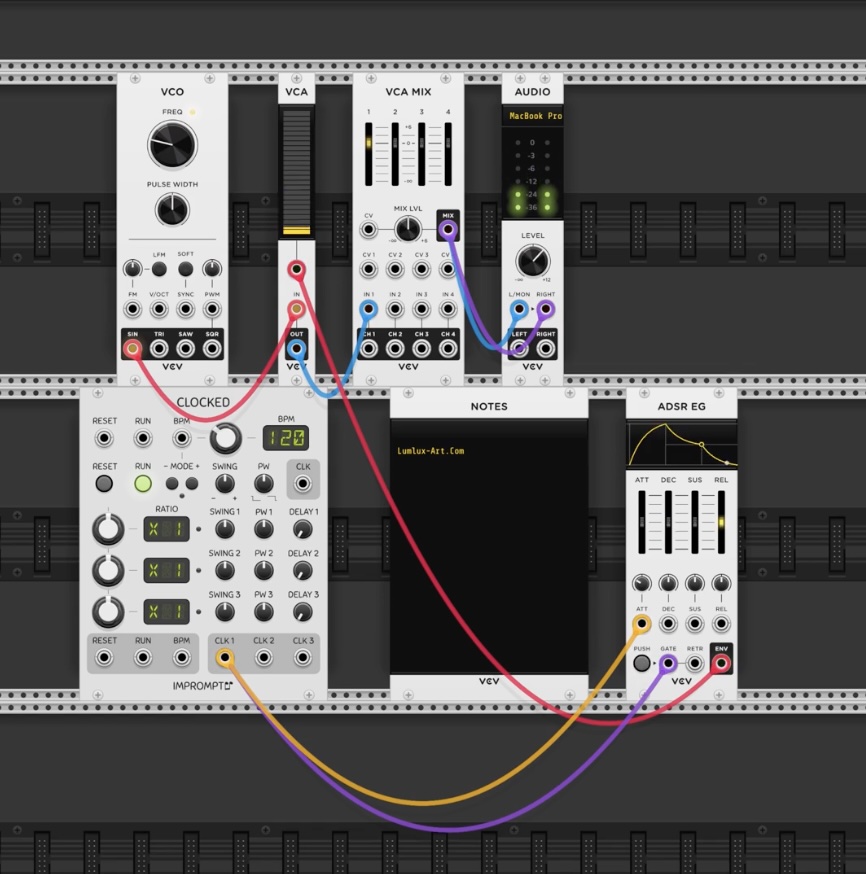
In the early days of electronic music, producers relied on analog synthesizers, drum machines, and hardware sequencers to create their sounds. Classic equipment like the Roland TR-808 drum machine, the TB-303 bass synthesizer, and the Moog synthesizer became iconic tools for early electronic musicians.
Today, most EDM is produced using Digital Audio Workstations (DAWs) like Ableton Live, FL Studio, and Logic Pro. These software platforms allow producers to manipulate sounds, program beats, and arrange songs with incredible precision. The accessibility of DAWs has democratized music production, allowing aspiring producers to create professional-quality tracks from their bedrooms.
DJ Technology and Live Performance
DJing has also evolved dramatically with advances in technology. In the past, DJs relied on vinyl records and turntables to mix tracks, but modern DJs use digital controllers, CDJs, and laptop software like Serato and Traktor.
The integration of MIDI controllers and performance pads allows DJs to manipulate tracks in real-time, adding effects, looping, and layering elements during their sets. This has transformed DJing from a passive act of playing records into an interactive performance art.
For live performances, many EDM artists use hybrid setups, combining traditional DJ equipment with live instruments, drum machines, and synthesizers. This allows for a more dynamic and immersive concert experience, blurring the lines between DJing and live performance.

5. EDM Festivals: The Heart of the Culture
Music festivals have become synonymous with EDM culture, and for good reason. These large-scale events provide fans with the opportunity to experience their favorite artists in a communal setting, often featuring immersive visuals, elaborate stage designs, and cutting-edge sound systems.
The Rise of EDM Festivals
Festivals like Ultra Music Festival, Tomorrowland, Electric Daisy Carnival, and Creamfields have become the gold standard for EDM events, drawing hundreds of thousands of attendees from around the world. These festivals are more than just concerts—they’re immersive experiences that combine music, art, and technology to create unforgettable environments.
The Role of Festivals in Shaping EDM Culture
Festivals have played a pivotal role in shaping the culture of EDM, providing a platform for artists to showcase new music and for fans to connect with one another. The sense of community at these events is palpable, with many attendees describing the festival experience as transcendent or life-changing.
In addition to fostering a sense of unity among fans, festivals have also been instrumental in launching the careers of many DJs and producers. A standout festival performance can catapult an artist to international stardom, as seen with artists like Martin Garrix, who became a global sensation after debuting his track “Animals” at Tomorrowland.
The Future of EDM Festivals
As technology continues to advance, the future of EDM festivals looks even more exciting. Virtual reality and augmented reality are beginning to make their way into the festival experience, offering new ways for fans to engage with the music and the environment. Additionally, festivals are becoming more sustainable, with a focus on reducing their environmental impact through initiatives like renewable energy and waste reduction programs.

6. The Global Impact of EDM
Electronic Dance Music has had a profound impact on the global music industry and popular culture. From its underground roots to its current status as a mainstream genre, EDM has reshaped the way music is produced, consumed, and experienced.
Commercial Success
EDM has become one of the most commercially successful genres of music, generating billions of dollars in revenue annually. DJs like Calvin Harris, The Chainsmokers, and Marshmello are some of the highest-paid musicians in the world, thanks to a combination of record sales, streaming revenue, and live performances.
In addition to album sales, EDM artists have also found success in brand partnerships, sponsorship deals, and merchandising. Festivals and events are major revenue drivers, with some of the biggest festivals generating millions in ticket sales alone.
EDM in Pop Culture
EDM’s influence extends far beyond the music industry—it has permeated nearly every aspect of popular culture. EDM-inspired fashion, with its emphasis on neon colors, bold patterns, and futuristic aesthetics, has become a staple at festivals and in streetwear.
The genre’s high-energy, euphoric sound has also influenced film scores, video games, and advertising. Many blockbuster movies and video game soundtracks feature EDM tracks, and the genre’s upbeat, feel-good vibes make it a natural fit for commercials and brand campaigns.
Fashion and Lifestyle
EDM festivals have become fashion spectacles in their own right, with attendees embracing bold, creative, and often avant-garde styles. Neon colors, LED accessories, and intricate body paint are common, as festival-goers seek to express themselves through their outfits.
The “rave fashion” trend has also influenced mainstream fashion, with elements of EDM culture appearing in streetwear and high-fashion collections. The aesthetic of EDM—futuristic, vibrant, and free-spirited—has become a defining characteristic of youth culture.

7. Famous Artists and DJs in the EDM Scene
The rise of EDM has brought many talented DJs and producers into the spotlight. Some of the most famous artists in the genre have not only defined the sound of EDM but have also become cultural icons.
Avicii
The late Avicii (Tim Bergling) is one of the most influential figures in EDM history. His breakout hit “Levels” in 2011 propelled him to global stardom, and his unique blend of melodic house and pop sensibilities helped bridge the gap between EDM and mainstream music. Tracks like “Wake Me Up” and “Hey Brother” showcased his ability to fuse electronic beats with acoustic elements, creating a sound that resonated with a wide audience.
David Guetta
David Guetta is often credited with bringing EDM into the mainstream. His collaborations with pop artists like Sia, Rihanna, and Nicki Minaj helped introduce electronic music to a broader audience, making him one of the most commercially successful DJs of all time. Tracks like “Titanium” and “When Love Takes Over” became anthems of the EDM boom in the early 2010s.
Calvin Harris
Calvin Harris is another artist who has been instrumental in the rise of EDM. His ability to craft infectious, radio-friendly hits has made him one of the highest-paid DJs in the world. With songs like “Summer,” “Feel So Close,” and “We Found Love” (featuring Rihanna), Harris has become a dominant force in both the EDM and pop worlds.
Skrillex
Skrillex (Sonny Moore) played a crucial role in popularizing dubstep in the United States. His aggressive, bass-heavy sound became synonymous with the festival scene, and tracks like “Scary Monsters and Nice Sprites” and “Bangarang” helped define the sound of 2010s EDM. Skrillex’s influence extends beyond dubstep, as he has collaborated with artists from a wide range of genres, including pop, rock, and hip-hop.
Tiësto
Tiësto is often regarded as one of the godfathers of EDM, with a career spanning more than two decades. Known for his trance anthems and euphoric live performances, Tiësto has consistently stayed at the forefront of the genre, adapting to new trends while maintaining his signature sound. Tracks like “Adagio for Strings” and “Red Lights” have solidified his status as a legend in the EDM world. More :

8. Criticism and Controversies Surrounding EDM
Despite its widespread popularity, EDM has faced its fair share of criticism and controversy. Some critics argue that the genre’s focus on commercial success has led to a homogenization of sound, with many tracks sounding formulaic and lacking originality.
Additionally, the rise of “ghost production”—where established artists hire other producers to create tracks under their name—has raised questions about authenticity in the EDM world. This practice is not uncommon in the music industry, but it has sparked debate within the EDM community about the role of artistry and integrity in the genre.

9. The Future of EDM: What’s Next?
As we look toward the future, Electronic Dance Music (EDM) is set to continue its rapid evolution, fueled by both musical innovation and technological advancements. Having already reshaped popular music and dance culture, EDM remains at the forefront of the global music scene, with endless potential for growth and transformation. But what does the future hold for this genre that thrives on constant reinvention?
Genre Fusion: Expanding Boundaries
One of the most promising developments in EDM is the increasing fusion of electronic sounds with other musical genres. Over the past decade, we’ve seen EDM blend seamlessly with pop, hip-hop, and even country. But this trend is expanding even further, as artists experiment with blending EDM with classical music, rock, jazz, and even world music.
This genre fusion can give birth to new subgenres that defy traditional categorization, leading to sounds that appeal to an even wider audience. For instance, collaborations between DJs and live orchestras or bands are becoming more common, creating a symphony of electronic beats with acoustic elements that offer a dynamic, multi-layered sound.
Cross-genre projects, such as Avicii’s collaboration with country music in his track Wake Me Up, have already shown the massive appeal of hybrid sounds. The future could bring deeper experimentation, incorporating live instrumentation, vocal arrangements from other genres, and increasingly intricate soundscapes that blend human artistry with electronic mastery.
AI and Music Creation: A New Creative Frontier
Artificial intelligence (AI) is set to play a revolutionary role in the future of EDM. AI is already being used to assist in the production of music, helping artists generate ideas, sequence beats, and even compose melodies. AI algorithms can analyze vast amounts of data to predict trends, optimize track structure, and help producers identify what resonates with listeners.
In the future, AI could become an even greater creative partner, offering real-time suggestions based on the mood or theme the artist is aiming to create. Imagine a world where AI can build complex chord progressions or generate samples on the fly, freeing up producers to focus on the creative big picture. With AI as a tool, EDM producers will have limitless options for sound design and music creation, pushing the genre’s boundaries further than ever before.
However, as AI advances, questions of authenticity and human creativity may arise. While AI can provide incredible technical enhancements, the human element—the emotion, spontaneity, and intuition that drives great music—will remain central. The challenge will be finding the right balance between machine-driven perfection and raw human expression.
Virtual and Augmented Reality: The Future of Live Performances
The live EDM experience is already an immersive spectacle, with stunning light shows, pyrotechnics, and 3D visuals. But with the rise of Virtual Reality (VR) and Augmented Reality (AR), the future of live performances is set to become even more captivating and interactive.
VR could transform the concert experience by enabling fans to attend virtual festivals from anywhere in the world, creating personalized, immersive environments that respond to the music. Imagine being able to step inside a digital world, designed by your favorite DJ, where every beat changes the environment around you. The potential for creativity in virtual concert spaces is limitless, offering fans a deeply personalized and unique experience.
AR, on the other hand, could enhance in-person concerts by adding layers of visual storytelling. Attendees could wear AR glasses or use apps to see holographic effects that interact with the live show in real time, creating a multi-sensory experience that extends beyond what’s possible with traditional lighting and visuals. This technology could also allow for real-time customization, where fans can interact with the music or visuals through their devices, making them part of the performance itself.
Immersive Sound and Spatial Audio
Advances in sound technology will also push EDM forward, with spatial audio becoming increasingly prevalent. Spatial audio creates a three-dimensional listening experience by simulating the way sound moves in space, allowing producers to place sounds around the listener in a virtual space. For EDM, which is already highly focused on creating immersive, physical experiences, spatial audio opens up new possibilities for dynamic and multidimensional soundscapes.
Imagine hearing a track where the bassline feels like it’s moving through the room, while synths swirl around you from different directions. As sound technology continues to develop, producers will be able to craft tracks that move beyond stereo sound and engage listeners in a fully enveloping sonic experience, transforming how we interact with music both in headphones and live settings.
Sustainability and Eco-Friendly Festivals
The future of EDM isn’t just about the music—it’s also about how the culture adapts to broader societal concerns. One of the key issues facing the festival circuit is environmental sustainability. With massive crowds, energy consumption, and waste production, festivals have a significant environmental footprint. However, the industry is starting to take steps toward creating more eco-friendly events.
In the future, we’re likely to see festivals incorporating renewable energy sources like solar and wind power to fuel their stages, alongside initiatives to minimize waste through biodegradable materials and recycling programs. Some festivals have already begun integrating these practices, but the next decade could see this become the norm.
Fans are also becoming more environmentally conscious, and this shift in consumer expectations could drive the entire industry toward more responsible practices. Festival organizers may incorporate carbon offset programs, encourage sustainable travel options, and create infrastructure that leaves a smaller environmental footprint while still delivering unforgettable experiences.
A New Era of Collaboration and Globalization
EDM’s rise to global prominence has shown the power of music to bring people together across borders. As the world becomes even more interconnected, we’re likely to see EDM collaborating with artists from diverse cultural backgrounds, incorporating traditional instruments, rhythms, and melodies from across the globe.
This cross-cultural collaboration can break down barriers, creating new styles of EDM that blend the familiar with the exotic. As EDM continues to globalize, it may evolve to reflect the diversity of sounds and traditions from Asia, Africa, Latin America, and the Middle East. We’re already seeing hints of this with the rise of Afrohouse, K-pop-inspired electronic beats, and Indian EDM.
Streaming platforms and social media have made it easier for producers and artists to collaborate with others around the world, and this global exchange of ideas and sounds will likely accelerate in the coming years. The future of EDM may be one of unprecedented diversity, where artists collaborate across continents to create music that appeals to a truly global audience.
The Evolution of Fan Engagement
As the EDM scene continues to grow, fan engagement will become more interactive and personalized. Social media and digital platforms already provide fans with access to their favorite artists like never before, but the future may see an even closer connection between fans and DJs.
Blockchain technology and NFTs (non-fungible tokens) are opening new avenues for artists to offer exclusive content, personalized experiences, and even fan participation in the creative process. Fans could buy unique digital assets tied to their favorite artists, attend virtual meet-and-greets, or gain access to limited-edition releases.
Crowdsourcing and fan voting could also play a larger role in shaping festival lineups, remixes, and even the creation of tracks. The relationship between fans and artists in the EDM world is already collaborative, but technology is poised to make it even more interactive, allowing for a deeper sense of connection and community.

EDM’s Place in the World of Music
Electronic Dance Music has come a long way from its underground roots in the clubs of Chicago and Detroit. Today, it stands as one of the most influential and popular genres of music in the world. Its impact can be seen not only in the millions of fans who attend festivals and stream tracks but also in the way it has reshaped the music industry, fashion, and popular culture.
As technology continues to evolve and new artists push the boundaries of what’s possible, the future of EDM looks brighter than ever. Whether you’re a longtime fan or new to the genre, there’s no denying that EDM is here to stay, continuing to electrify audiences and inspire the next generation of musicians and music lovers alike.




Leave a Reply