Capturing the Moment with Light and Color

Introduction to Impressionism
Impressionism is one of the most influential and beloved movements in the history of art. Emerging in the late 19th century, it marked a radical departure from the established norms of academic painting, challenging traditional techniques and subjects. Impressionist painters sought to capture the ephemeral beauty of the world around them, focusing on the play of light and color to convey the atmosphere of a scene rather than its precise details. The movement was characterized by loose brushwork, vibrant color palettes, and a focus on everyday life, making it both a revolutionary and accessible art form.
The Origins and Development of Impressionism
Impressionism began in France in the 1870s as a reaction against the strict rules of the Académie des Beaux-Arts, the dominant institution that dictated the style and content of art during that period. The Académie favored highly polished, detailed works that often depicted historical, religious, or mythological subjects. Artists were expected to follow traditional methods, with an emphasis on precise drawing and careful modeling of form.
However, a group of young artists, frustrated with these constraints, began to explore new ways of seeing and representing the world. Inspired by the changing nature of light, the effects of weather, and the passage of time, they aimed to capture the “impression” of a moment rather than a meticulously detailed representation. This approach was considered radical at the time, and their work was initially met with harsh criticism and rejection by the art establishment.
The term “Impressionism” itself was coined somewhat derogatorily by a critic, Louis Leroy, after seeing Claude Monet’s painting Impression, Sunrise (1872) at the first independent exhibition organized by the group in 1874. Despite the initial criticism, the term stuck, and the movement quickly gained momentum, attracting a growing number of artists and supporters.
Key Artists and Works in Impressionism
Claude Monet
Claude Monet is often regarded as the quintessential Impressionist, known for his pioneering use of light and color. Monet’s work is characterized by his focus on capturing the changing effects of light on the landscape, often returning to the same scene at different times of day to explore its varying moods.
One of Monet’s most famous series of paintings is his Water Lilies, created between 1896 and 1926. These paintings depict the pond in Monet’s garden at Giverny, with its floating lily pads, reflections of the sky, and the interplay of light on water. Monet’s loose brushstrokes and vibrant colors create a sense of movement and tranquility, capturing the essence of the scene rather than its precise details.
Another iconic work by Monet is Impression, Sunrise (1872), the painting that gave the Impressionist movement its name. The painting depicts the port of Le Havre at sunrise, with the sun casting a soft orange glow over the water. Monet’s use of loose, almost abstract brushstrokes and his focus on the fleeting effects of light exemplify the core principles of Impressionism.
Pierre-Auguste Renoir
Pierre-Auguste Renoir was another leading figure in the Impressionist movement, known for his vibrant depictions of social gatherings, portraits, and intimate domestic scenes. Renoir’s work often focuses on the interaction of light with the human figure, creating a warm, glowing effect that enhances the sense of movement and life.
One of Renoir’s most celebrated works is Dance at Le Moulin de la Galette (1876), which captures a lively afternoon dance at a popular outdoor café in Montmartre, Paris. The painting is filled with dappled sunlight filtering through the trees, reflecting off the dancers’ clothing and creating a joyful, bustling atmosphere. Renoir’s use of light and color to convey the vibrancy of the scene is a hallmark of his Impressionist style.
Another notable work by Renoir is Luncheon of the Boating Party (1881), which depicts a group of friends enjoying a leisurely meal on the balcony of a riverside restaurant. The painting is rich in detail, yet Renoir’s loose brushwork and bright color palette keep the focus on the overall impression of the scene rather than individual elements. The interplay of light on the figures and the surrounding landscape creates a sense of warmth and conviviality.
Edgar Degas
Edgar Degas, while often associated with Impressionism, had a unique approach that distinguished his work from that of his contemporaries. Degas was particularly interested in movement and the human figure, often depicting ballet dancers, racehorses, and scenes of modern urban life. Unlike many Impressionists, who preferred plein air painting (working outdoors), Degas frequently worked in his studio, using sketches and memory to create his compositions.
One of Degas’ most famous works is The Ballet Class (c. 1874), which shows a group of young dancers rehearsing under the watchful eye of their instructor. The painting captures the grace and discipline of the dancers, with Degas’ characteristic attention to the nuances of movement and posture. His use of pastel colors and soft brushwork creates a sense of lightness and fluidity, while his unconventional compositions often feature off-center subjects and cropped views, adding a dynamic quality to his work.
Another significant work by Degas is L’Absinthe (1875-1876), which portrays a man and a woman seated at a café, seemingly lost in thought. The painting is a stark depiction of urban isolation, with the figures appearing disconnected from each other and their surroundings. Degas’ use of muted colors and careful attention to the characters’ expressions convey a sense of melancholy and detachment, reflecting the alienation of modern life.
The Principles and Techniques of Impressionism
Impressionism is defined by several key principles and techniques that set it apart from previous art movements:
Focus on Light and Color:
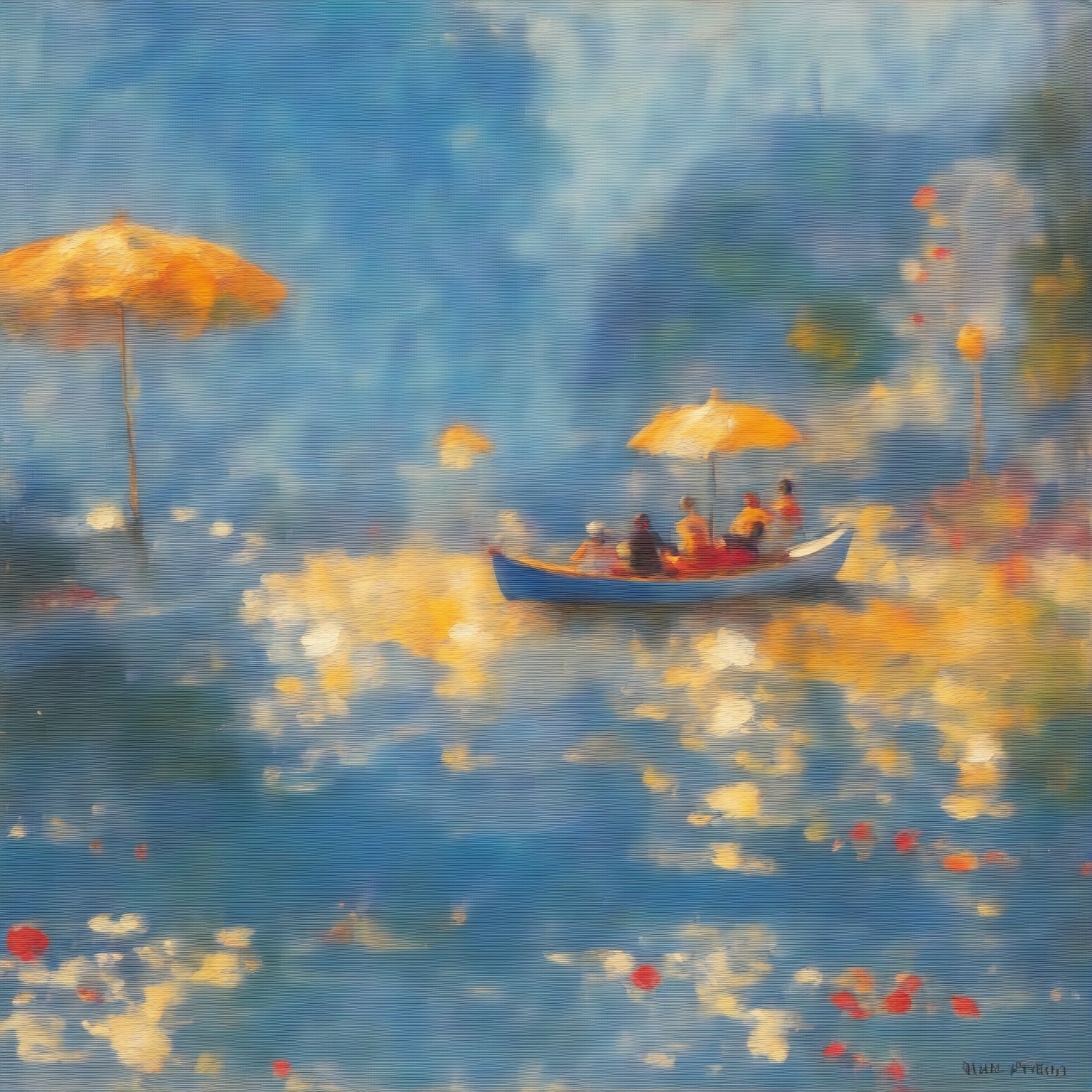
Impressionists were fascinated by the effects of natural light on color and form. They sought to capture the way light changes throughout the day, how it reflects off surfaces, and how it affects the perception of color. To achieve this, they often used a lighter palette, with an emphasis on pure, unmixed colors applied directly to the canvas.
Loose Brushwork:
Unlike the highly detailed and polished works favored by the Académie, Impressionist paintings are characterized by loose, visible brushstrokes. This technique allows for a sense of spontaneity and immediacy, conveying the impression of a scene rather than a meticulously rendered image. The brushstrokes are often short and thick, giving the painting texture and movement.
Plein Air Painting:
Many Impressionists preferred to paint en plein air, or outdoors, in order to capture the effects of natural light directly from the source. This practice allowed them to observe and record the changing conditions of the landscape in real time, resulting in paintings that feel fresh and vibrant.
Focus on Everyday Life:
Like the Realists before them, Impressionists often depicted scenes from everyday life, but with a different focus. Rather than emphasizing the social or political aspects of their subjects, Impressionists were more interested in the beauty of ordinary moments—whether it was a bustling city street, a quiet garden, or a group of friends enjoying a meal.
Innovative Compositions:
Impressionist compositions often broke away from traditional rules, embracing asymmetry, unconventional angles, and cropped views. This approach was influenced by developments in photography and Japanese ukiyo-e prints, both of which introduced new ways of framing a scene.
Exploration of Modern Life:
The Impressionists were keen observers of modern life, capturing the changes brought about by industrialization, urbanization, and the rise of leisure activities. Their paintings often depict the new Parisian lifestyle—cafés, theaters, parks, and boulevards—as well as rural scenes that were increasingly accessible due to advancements in transportation.
§
The Impact and Legacy of Impressionism
Impressionism had a profound impact on the art world, paving the way for numerous subsequent movements and influencing generations of artists. Initially met with skepticism and criticism, Impressionism eventually gained widespread recognition and is now celebrated as one of the most important art movements of the 19th century.
Influence on Post-Impressionism and Modern Art
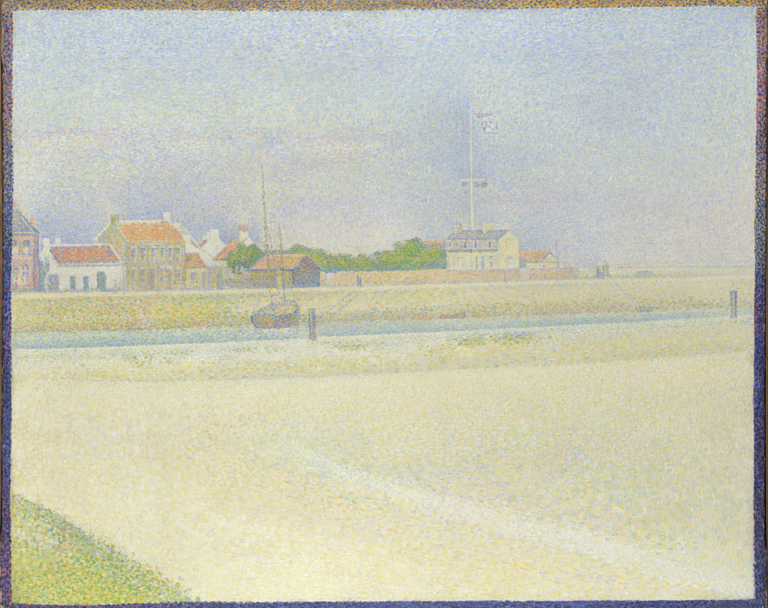
The success of Impressionism inspired a new generation of artists, leading to the development of Post-Impressionism. Artists like Vincent van Gogh, Paul Cézanne, Georges Seurat, and Paul Gauguin took the principles of Impressionism and pushed them in new directions, exploring more expressive, symbolic, and structured approaches to color and form.
Post-Impressionism, in turn, laid the groundwork for many of the major art movements of the 20th century, including Fauvism, Cubism, and Abstract Expressionism. The emphasis on color, light, and the artist’s subjective experience—core tenets of Impressionism—became central to the evolution of modern art.
Continued Popularity and Influence
Impressionism remains one of the most popular and widely recognized art movements today. The works of Monet, Renoir, Degas, and their contemporaries continue to be celebrated in museums around the world, drawing large crowds and inspiring new generations of artists and art lovers.
The techniques and principles of Impressionism have also had a lasting influence on various forms of art and media beyond painting, including photography, film, and design. The movement’s focus on capturing fleeting moments, its use of color and light, and its embrace of modern life have all contributed to its enduring appeal.
Impact on Popular Culture
Impressionism has also permeated popular culture, influencing everything from fashion and interior design to literature and music. The movement’s emphasis on natural beauty, spontaneity, and the celebration of everyday life resonates with contemporary values, making it relevant and relatable even today.
§
Impressionism was a revolutionary movement that changed the course of art history. By breaking away from the rigid conventions of academic painting, the Impressionists opened up new possibilities for artistic expression, focusing on the transient effects of light, color, and atmosphere. Their innovative techniques and fresh approach to composition and subject matter have had a lasting impact on the world of art, influencing countless artists and movements that followed.
The legacy of Impressionism is evident not only in the continued popularity of its works but also in the way it has shaped our understanding of what art can be. By capturing the fleeting beauty of the world around them, the Impressionists taught us to see the world in a new light—to appreciate the subtle nuances of color, the play of light on a surface, and the joy of everyday moments. As a result, Impressionism remains a vibrant and inspiring force in the art world, continuing to captivate and inspire audiences more than a century after its inception.