Camille Pissarro, “Louvre Morning”

Camille Pissarro’s painting, ‘Louvre Morning’ from 1901, is a stunning example of the artist’s ability to capture the essence of a scene through his unique style of Impressionism. The painting depicts the famous Louvre museum in Paris, with its grand architecture and bustling streets filled with people going about their day.

One of the most striking aspects of ‘Louvre Morning’ is Pissarro’s use of color. He employs a palette of muted tones, primarily blues, greys, and browns, to convey the atmosphere of a misty morning in Paris. The effect is both calming and somber, inviting the viewer to reflect on the beauty of the city while also acknowledging the underlying complexities of urban life.

In the foreground, Pissarro paints a group of people crossing the street, their faces and bodies blurred by the artist’s quick brushstrokes. This technique adds movement and energy to the painting, suggesting that life in the city is always in motion, even on a quiet morning like this one.

Behind the figures, the grandeur of the Louvre looms in the background, with its iconic pyramid structure rising above the buildings. Pissarro captures the enormity of the museum while also conveying a sense of intimacy, as if the viewer is standing right there on the street, taking it all in.

Throughout ‘Louvre Morning,’ Pissarro demonstrates his mastery of the Impressionist style, with its emphasis on capturing the fleeting moments of life and the effects of light and atmosphere on the scene. The painting is a testament to his ability to evoke emotion and convey a sense of place through his art.

Overall, ‘Louvre Morning’ is a stunning work of art that captures the beauty and complexity of Parisian life in the early 20th century. It is a testament to Pissarro’s skill as an artist and his ability to bring the viewer into his world through his unique style of painting.
Publicaciones Similares

  • |

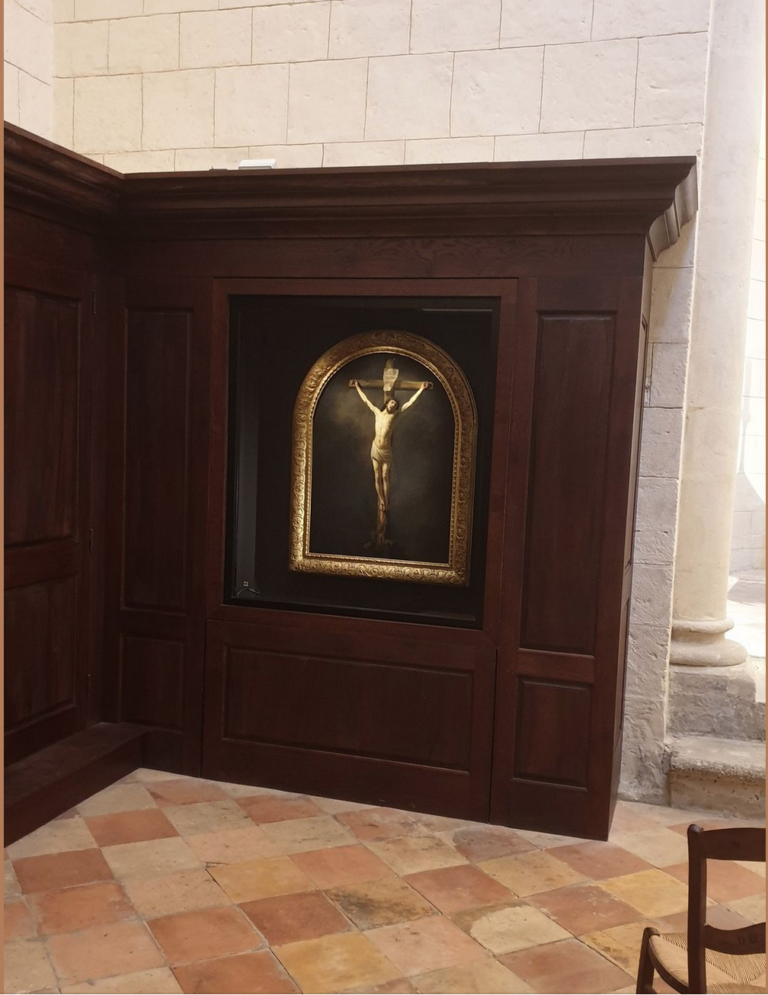
    You Come Across Rembrandt In The French Countryside.

    The Eglise Saint-Vincent in Mas-d’Agenais, France, is a 12th-century Romanesque church renowned for its architecture and art, notably Rembrandt’s crucifixion painting. Acquired during the French Revolution, this masterpiece attracts global visitors, offering a serene atmosphere and rich cultural heritage, complemented by stained glass and sculptural works.

  • Sergej Jensen

    Sergej Jensen’s artistic oeuvre stands as a testament to the innovative intersections between material culture and minimalist artistry. Born in Denmark in 1973 and currently operating out of Berlin, Germany, Jensen has crafted a unique niche within contemporary art through his nuanced engagement with textile materials. His practice is marked by a profound manipulation of…

  • | |

    Naples in Paris: An Unprecedented Collaboration between the Louvre and the Museo di Capodimonte

    7 June 2023 – 8 January 2024 Paris, the city of love, is brimming with art, culture, and history, known for its charm, scenic views, and world-renowned museums, among them the Musée du Louvre. Naples, Italy’s picturesque city, boasting its own unique blend of historical and cultural wealth, is home to the Museo di Capodimonte,…

  • |

    The Art of Sharing

    How to Showcase Your Completed Pieces and Works in Progress, and Discover Other Artists’ Creations Introduction In the dynamic and ever-evolving world of art, sharing your work—whether it’s a polished masterpiece or a work in progress—has become an essential part of the creative process. Gone are the days when artists toiled in solitude, revealing their…

  • Ilse D’Hollander

    Ilse D’Hollander, a Belgian artist born in 1968, remains a poignant figure in contemporary art, celebrated for her profound exploration of painting’s potential. Her work, characterized by an evocative blend of abstraction and figuration, captures the delicate balance between the tangible landscape and its emotional resonance. Despite her career’s tragic brevity—D’Hollander’s life ended prematurely in…

  • |

    Arne Quinze

    Arne Quinze, a Belgian artist, is renowned for his vibrant large-scale installations that serve as catalysts for social interaction in urban spaces. His artistic journey emphasizes the transformative power of public art, encouraging communities to engage with their environments. Notable works such as “The Sequence,” “Uchronia,” and “Rock Strangers” exemplify his philosophy that art can bridge cultural gaps and stimulate dialogue. Through innovative materials and configurations, Quinze challenges traditional perceptions of art, advocating for its integral role in urban renewal and community discourse, thereby shaping contemporary public art’s future.

Deja una respuesta

Tu dirección de correo electrónico no será publicada. Los campos obligatorios están marcados con *