Camille Pissarro, “Louvre Morning”

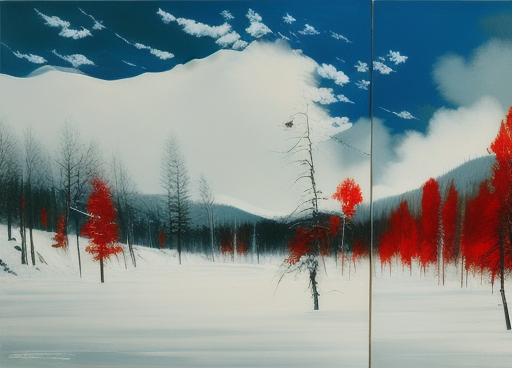
Camille Pissarro’s painting, ‘Louvre Morning’ from 1901, is a stunning example of the artist’s ability to capture the essence of a scene through his unique style of Impressionism. The painting depicts the famous Louvre museum in Paris, with its grand architecture and bustling streets filled with people going about their day.

One of the most striking aspects of ‘Louvre Morning’ is Pissarro’s use of color. He employs a palette of muted tones, primarily blues, greys, and browns, to convey the atmosphere of a misty morning in Paris. The effect is both calming and somber, inviting the viewer to reflect on the beauty of the city while also acknowledging the underlying complexities of urban life.

In the foreground, Pissarro paints a group of people crossing the street, their faces and bodies blurred by the artist’s quick brushstrokes. This technique adds movement and energy to the painting, suggesting that life in the city is always in motion, even on a quiet morning like this one.

Behind the figures, the grandeur of the Louvre looms in the background, with its iconic pyramid structure rising above the buildings. Pissarro captures the enormity of the museum while also conveying a sense of intimacy, as if the viewer is standing right there on the street, taking it all in.

Throughout ‘Louvre Morning,’ Pissarro demonstrates his mastery of the Impressionist style, with its emphasis on capturing the fleeting moments of life and the effects of light and atmosphere on the scene. The painting is a testament to his ability to evoke emotion and convey a sense of place through his art.

Overall, ‘Louvre Morning’ is a stunning work of art that captures the beauty and complexity of Parisian life in the early 20th century. It is a testament to Pissarro’s skill as an artist and his ability to bring the viewer into his world through his unique style of painting.

Ähnliche Beiträge

  • Sofie Muller

    – – Sofie Muller is a distinguished name in the realm of contemporary art, celebrated for her profound and evocative contributions that delve into the complexities of the human psyche and condition. Her work, characterized by its intensity and emotional depth, has secured a prominent place for her within the international art community. Muller’s artistic…

  • Charlotte Posenenske

    Charlotte Posenenske (1930-1985) was a pivotal German artist whose innovative approach in the 1960s transformed minimalism and conceptual art through the use of industrial materials and participatory practices. Her key works, notably the “Series D” square tubes, emphasized accessibility and the collective experience of art, challenging traditional boundaries between artist and audience. In 1968, she ceased art production, disillusioned with the market, shifting focus to sociology. Posenenske’s legacy endures in contemporary discussions of art’s social role, urging a democratized and socially engaged artistic practice that resonates with current societal issues.

  • Contemporary Painting

    Contemporary painting embodies a diverse and evolving artistic field, characterized by the fusion of traditional and modern techniques. Artists like Gerhard Richter and Julie Mehretu exemplify a range of styles that comment on identity, culture, and social issues. The integration of technology, such as digital and interactive art, further expands the medium’s possibilities. Contemporary themes often reflect societal challenges, including globalization, environmental concerns, and identity representation. This fluidity and responsiveness to the modern world distinguish contemporary painting as a significant artistic movement.

  • | | |

    Avant l’Orage, Unusual Ecosystems

    Artistic Responses to Climate Crisis at the Avant l’Orage Bourse de Commerce Exhibition until September 11, 2023 As the world grapples with the daunting reality of the climate crisis, a group of artists at the Avant l’Orage Bourse de Commerce exhibition has taken it upon themselves to imagine alternative ecosystems and new seasons that reflect…

Schreibe einen Kommentar

Deine E-Mail-Adresse wird nicht veröffentlicht. Erforderliche Felder sind mit * markiert