Camille Pissarro, “Louvre Morning”

Camille Pissarro’s painting, ‘Louvre Morning’ from 1901, is a stunning example of the artist’s ability to capture the essence of a scene through his unique style of Impressionism. The painting depicts the famous Louvre museum in Paris, with its grand architecture and bustling streets filled with people going about their day.

One of the most striking aspects of ‘Louvre Morning’ is Pissarro’s use of color. He employs a palette of muted tones, primarily blues, greys, and browns, to convey the atmosphere of a misty morning in Paris. The effect is both calming and somber, inviting the viewer to reflect on the beauty of the city while also acknowledging the underlying complexities of urban life.

In the foreground, Pissarro paints a group of people crossing the street, their faces and bodies blurred by the artist’s quick brushstrokes. This technique adds movement and energy to the painting, suggesting that life in the city is always in motion, even on a quiet morning like this one.

Behind the figures, the grandeur of the Louvre looms in the background, with its iconic pyramid structure rising above the buildings. Pissarro captures the enormity of the museum while also conveying a sense of intimacy, as if the viewer is standing right there on the street, taking it all in.

Throughout ‘Louvre Morning,’ Pissarro demonstrates his mastery of the Impressionist style, with its emphasis on capturing the fleeting moments of life and the effects of light and atmosphere on the scene. The painting is a testament to his ability to evoke emotion and convey a sense of place through his art.

Overall, ‘Louvre Morning’ is a stunning work of art that captures the beauty and complexity of Parisian life in the early 20th century. It is a testament to Pissarro’s skill as an artist and his ability to bring the viewer into his world through his unique style of painting.
????

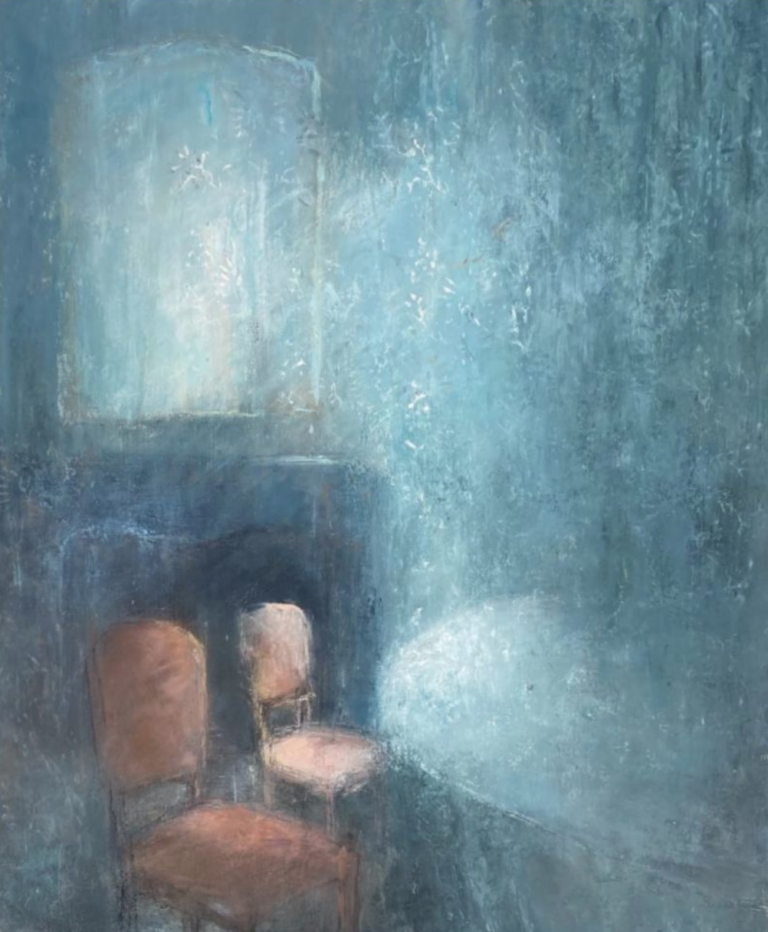
  • Mon Refuge, Christine Trouillet

    In her painting “Mon Refuge”, Christine Trouillet captures the essence of a cozy and comforting space that invites us to unwind and relax. The warm tones & softness of the furniture, and the gentle play of light and shadow create a soothing and welcoming atmosphere that envelops us like a warm embrace. But Trouillet’s painting…

  • ||

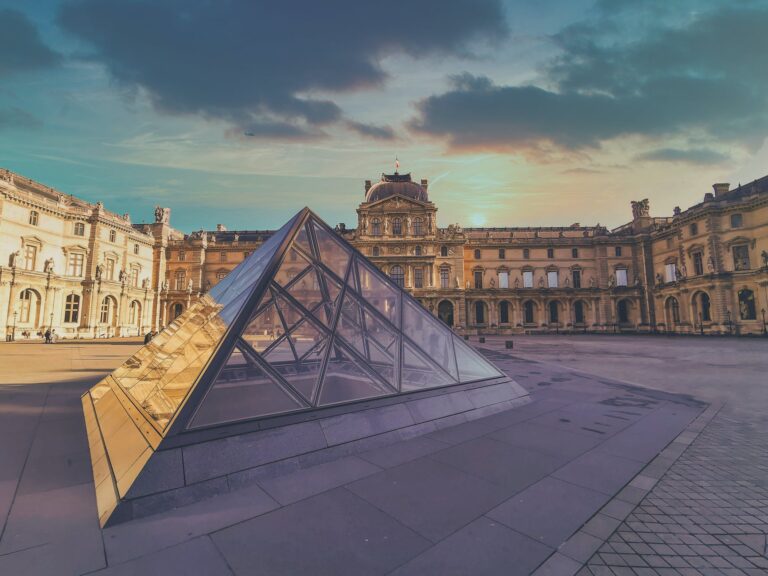
    The Louvre

    The Louvre, nestled in the heart of Paris, stands as a beacon of culture, history, and art. It embodies a chronicle of human civilization and houses the world’s most revered artworks. From its origins as a royal fortress to a public institution, the Louvre’s architectural narrative chronicles the evolution of French art. Its vast collection, organized into eight departments, spans over 9,000 years of history. The Louvre’s global influence encompasses the Louvre Abu Dhabi, international exhibitions, and educational programs, exemplifying its commitment to cultural diplomacy and global outreach. Through digital initiatives, the museum promotes accessibility and inclusivity, making art and cultural heritage globally attainable.

  • |

    Up, Up and Away with Yayoi Kusama: You, Me and the Balloons at Factory International

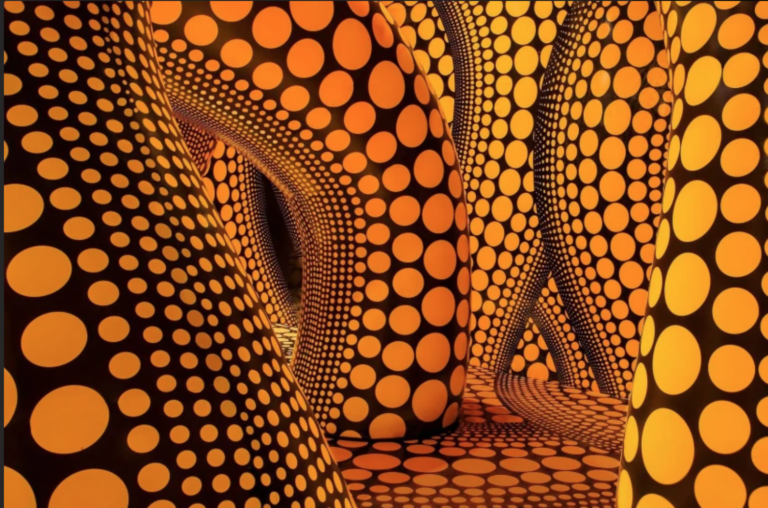
    As summer unfolds, Factory International in Manchester prepares to welcome one of the most beloved artists of our era. Celebrated Japanese artist, Yayoi Kusama, is set to unveil her most expansive immersive environment to date. Aptly titled “Yayoi Kusama – You, Me and the Balloons”, this exhibition is not just a display of Kusama’s signature…

  • |||

    Jaune Quick-to-See Smith: Memory Map – Retracing an Indigenous Visionary

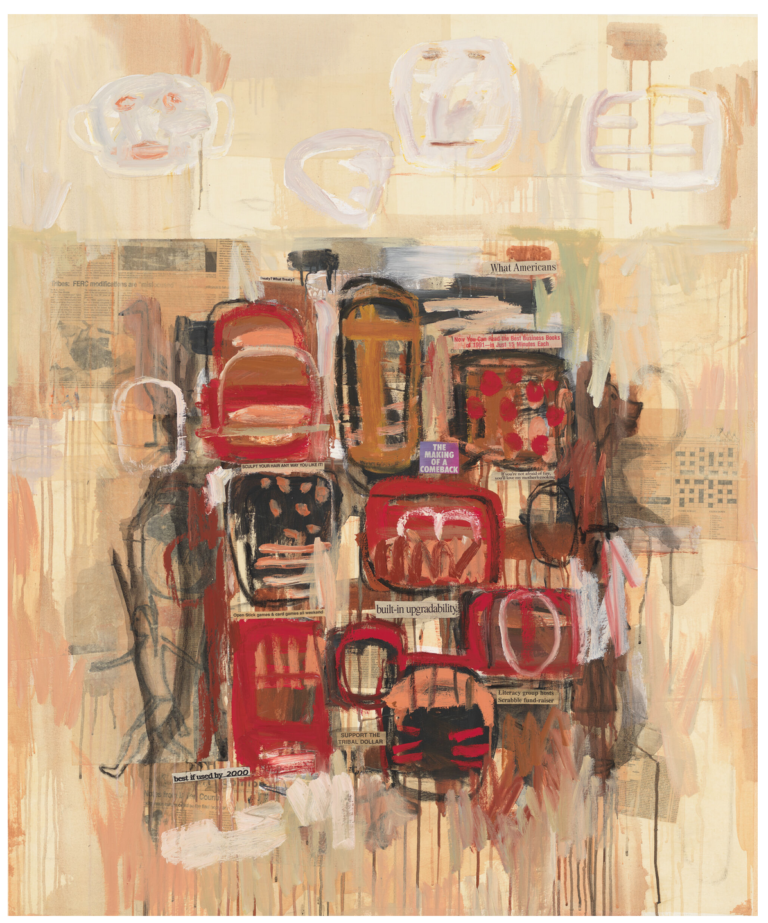
    The Whitney Museum of American Art is proud to present Jaune Quick-to-See Smith: Memory Map, the first-ever New York retrospective of the acclaimed artist Jaune Quick-to-See Smith (b. 1940). A member of the Confederated Salish and Kootenai Nation, Smith has long been a trailblazer in the world of contemporary art, employing her unique artistic voice…

  • John Stezaker

    John Stezaker is a significant contemporary artist renowned for his innovative collages that merge found photographs into thought-provoking art. His practice delves into themes such as memory, identity, and representation, challenging viewers to reconsider the nature of images. Techniques like manual cutting and pasting allow for a tactile engagement, evoking nostalgia while disrupting familiar narratives. Stezaker’s notable series, including “Film Portraits” and “Marriage,” explore the fluidity of identity through visual dissonance. His exhibitions at prestigious venues have solidified his impact on the contemporary art scene and inspired a renewed appreciation for collage as a complex art form.

????

???????????? ????? * ??